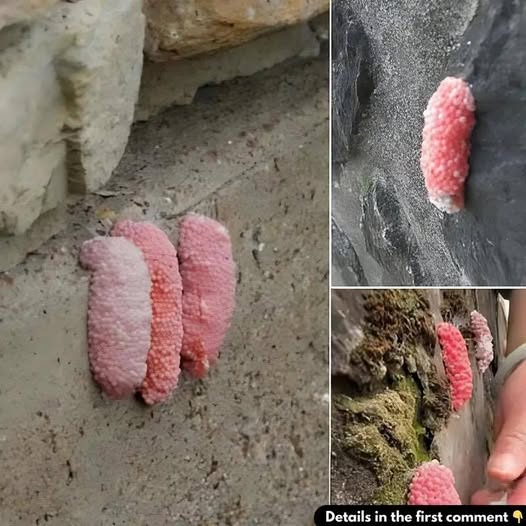
Be careful if you see these little pink eggs on a wall. It is the bad sign for your house
Bright Pink Warning: Apple Snail Eggs in Your Garden Could Spell Trouble
If you’ve recently noticed clusters of bright pink, bubble-like eggs clinging to walls, rocks, or vegetation near water features in your garden, don’t be fooled by their vibrant appearance. These eye-catching clusters likely belong to the apple snail, a highly invasive freshwater species that poses serious threats to both garden environments and broader ecosystems. Early detection and swift removal are essential to stop their spread and protect your plants—and the native species that rely on balanced aquatic habitats.
What Is the Apple Snail?
The apple snail is a large freshwater mollusk originally native to South America, particularly the Amazon Basin. Over the past few decades, however, it has made its way to North America, Europe, and Asia, largely through the aquarium trade and the unintentional release of exotic pets. Once introduced to a favorable environment, the species adapts quickly and reproduces rapidly—often overwhelming native populations and wreaking havoc on agriculture and natural ecosystems alike.
Apple snails thrive in warm, humid, freshwater environments, such as garden ponds, wetlands, irrigation canals, and rice paddies. Because of their resilience and ability to survive fluctuating conditions, they’ve become difficult to manage in regions where they are not naturally found.
Why Are Their Eggs a Red Flag?
One of the most recognizable signs of an apple snail infestation is the presence of their bright pink egg clusters. These egg masses are usually deposited above the waterline—on rocks, walls, stems, or any vertical surface near a water source. While their bubble-gum color may look harmless, each cluster can contain up to 600 eggs, and in warm climates, a single female may lay thousands of eggs per year.
What makes these eggs even more concerning is that they are toxic. Coated with neurotoxins that deter predators, they pose a mild but real health risk to humans, especially if handled without protection. Touching the eggs with bare hands can result in skin irritation or, in rare cases, more severe symptoms if the toxins are accidentally ingested. Their toxicity helps them survive in the wild but makes their removal more challenging.
Environmental and Agricultural Impact
The destructive potential of the apple snail cannot be overstated. These voracious eaters feed on a wide range of aquatic vegetation, including the roots and stems of water lilies, lotus, and other ornamental pond plants. In agricultural settings, they are especially damaging to rice fields, where they destroy young seedlings and reduce yields. In countries like Thailand, Vietnam, and the Philippines, their presence has resulted in significant crop losses, prompting strict control measures.
Additionally, apple snails can outcompete native snail species, disturbing the delicate balance of freshwater ecosystems. Their overpopulation can lead to reduced biodiversity, degraded wetlands, and clogged waterways.
In the United States, apple snails have been reported in several states, including:
-
Florida – where warm wetlands provide an ideal environment
-
Texas – particularly in ponds, ditches, and canals
-
California – mostly in southern agricultural regions
In Europe, countries such as France and Spain have launched targeted monitoring programs after apple snails were found damaging rice crops and threatening biodiversity in wetland reserves. Meanwhile, Asian countries have invested in public awareness campaigns and pest management systems to curb the snail’s effect on food security.
What Can Gardeners and Homeowners Do?
If you spot what looks like a bubble-gum-pink cluster of eggs in or near your pond or garden water feature, take it seriously. These are likely apple snail eggs, and swift action is necessary to prevent a wider infestation.
Here’s what you can do:
-
Do Not Touch Eggs with Bare Hands
Always wear gloves when handling apple snail eggs, and thoroughly wash your hands afterward to avoid potential toxin exposure. -
Safely Remove and Destroy Egg Clusters
Use a scraper or gloved hand to gently dislodge egg clusters. Place them in a sealed plastic bag and dispose of them in the trash—never compost or leave them outdoors where they might hatch. -
Inspect Water Features Regularly
Check the edges of ponds, fountains, and other moist areas for new egg clusters, especially during warmer months. -
Avoid Releasing Aquarium Snails Outdoors
Never release aquarium snails or plants into outdoor water bodies. Many invasive species, including apple snails, have been introduced this way. -
Report Sightings
If you live in a region where apple snails are not yet widespread, report sightings to your local environmental agency or agricultural extension office. Early reports help officials track and contain new outbreaks.
A Shared Responsibility
Combating the spread of invasive species like the apple snail requires collective awareness and timely action. Gardeners, pond owners, and farmers all play a role in monitoring their surroundings and acting decisively at the first sign of trouble. Understanding what to look for—and how to respond—can help preserve your garden’s health and protect local ecosystems from irreversible damage.
Final Thought:
Apple snails may be slow-moving, but their impact spreads fast. Their pink eggs may look beautiful, but they signal an ecological threat. By staying vigilant, acting quickly, and sharing knowledge with your community, you can help stop this invasive species from taking over—and keep your garden, and the environment, thriving.