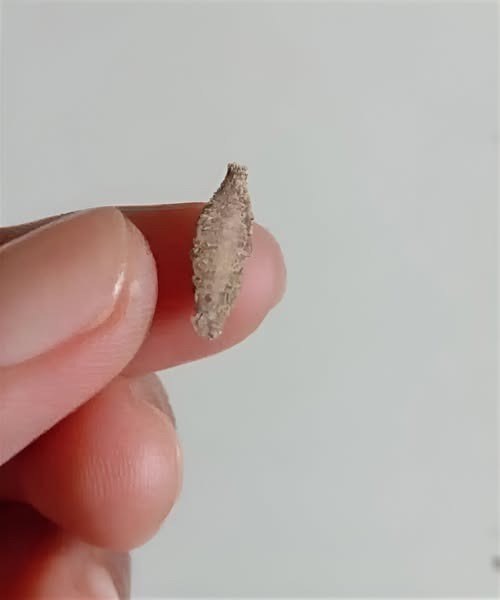
Ever Seen This Creepy Wall-Clinging Moth? Meet the Kamitetep
Some insects can be beneficial allies in controlling household pests, but others—like Phereoeca uterella, or kamitetep in Javanese—pose a significant threat to your home and belongings. Commonly known as plaster bagworms or household casebearers, these insects are part of the Tineidae family, the same group that includes clothes moths. They thrive in tropical and subtropical climates, which is why they are particularly common in warm, humid environments such as closets, garages, basements, and storage areas.
Kamitetep are especially troublesome in their larval stage, where they build and carry around their unique protective case. This portable casing is flat and grayish, cleverly constructed from silk, dust, lint, and fibers collected from their surroundings. The case serves a dual purpose: it shields the vulnerable larva from predators and environmental hazards and later acts as a secure chamber for pupation.
Their life cycle consists of four stages: egg, larva, pupa, and adult moth. Adult plaster bagworm moths are quite small, usually around half an inch long, and are easily recognized by their grayish-brown, scale-covered wings. Though they are not particularly strong fliers, adults can spread quickly through a home when conditions are favorable.
What makes kamitetep so damaging is their diet. These pests feed on a wide variety of organic materials, including dust, human and pet hair, spiderwebs, lint, wool, silk, feathers, and paper. They can also be attracted to and consume dead insects. Unlike some other textile pests, kamitetep generally avoid cotton and synthetic fibers. However, their fondness for protein-rich natural fibers means they can wreak havoc on wool sweaters, carpets, silk scarves, feathered items, and even treasured paper documents and artwork.
These insects tend to settle in dark, humid, and undisturbed areas, which makes them difficult to detect until significant damage has occurred. Favorite hiding spots include under beds, behind baseboards, in cracks, inside cardboard boxes, near light fixtures, and around closets packed with clothing or stored linens.
Prevention and Control
To effectively get rid of kamitetep, it’s essential to maintain a clean, dry environment:
✅ Vacuum thoroughly and frequently, paying extra attention to corners, baseboards, closet floors, and under furniture. Remove and dispose of any visible larval cases you find during cleaning.
✅ Seal cracks and crevices using caulk or weather stripping to block entry points and eliminate hiding places.
✅ Reduce indoor humidity, as these insects thrive in damp conditions. Use a dehumidifier or ensure adequate ventilation, especially in basements, bathrooms, and closets.
✅ Declutter storage spaces, as clutter provides excellent shelter and food sources. Store wool, silk, and other vulnerable items in sealed containers or garment bags.
✅ Wash or dry-clean wool and silk items regularly to remove organic residues that can attract larvae.
In addition to these steps, prompt disposal of spiderwebs and dead insects is crucial, as kamitetep larvae often feed on these materials.
If the infestation is severe or persists despite cleaning, you may need to use insecticidal sprays specifically designed for moth larvae. Always follow product instructions carefully to ensure safety, especially if you have children or pets at home. In cases where the infestation has spread widely, contacting a professional pest control service is the most effective solution to prevent further damage and eliminate hidden breeding sites.
While kamitetep do not bite or transmit diseases, their presence is a nuisance, and their feeding habits can destroy valuable belongings. Moreover, since they sometimes feed on spiderwebs, their appearance might also indicate an underlying spider problem that should be addressed simultaneously.
Conclusion
Kamitetep may seem harmless at first glance, but if left unchecked, they can quickly multiply and cause costly damage. By combining good cleaning habits, humidity control, and vigilant inspection, you can protect your home and treasured items from these stealthy invaders. And remember, if you suspect a large infestation, acting promptly is key to preventing bigger problems down the line.