9 things you should never plug into a power strip
When we think of the past, it’s hard to imagine life without electricity. Our grandparents—or even parents—lived in a time when many households didn’t have modern electrical conveniences, relying instead on simple tools and manual labor. Today, however, nearly everything we touch, from our kitchen appliances to the tiny gadgets in our pockets, depends on a constant flow of electricity to function. This transformation has revolutionized the way we live, work, and communicate.
Despite how advanced our homes have become, most were not originally built with the sheer number of outlets needed to support this digital age. As a result, many people turn to power strips as a quick and convenient solution. Power strips allow us to plug in multiple devices at once, turning a single wall socket into a hub for our electronics. They are especially common in offices, entertainment centers, and bedrooms where we often charge phones, tablets, laptops, and more.
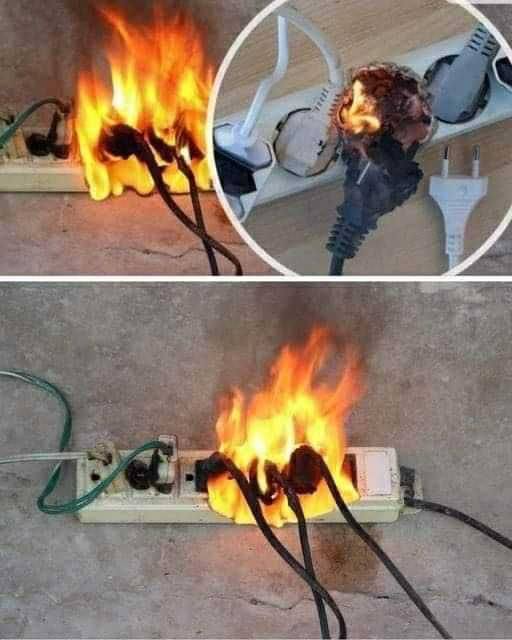
However, while power strips are handy for low-wattage devices, they aren’t designed to handle high-wattage appliances. Plugging the wrong items into a power strip isn’t just a matter of inconvenience—it can create serious fire hazards, put your home at risk, and even endanger lives.
Let’s break down why certain appliances should never be connected to a power strip and the potential dangers each one poses:
1️⃣ Ovens: These appliances require a tremendous amount of power to heat up and cook food properly. Their heating elements draw so much electricity that they need a dedicated circuit. Plugging an oven into a power strip could easily cause overheating and lead to melted wires or even a fire.
2️⃣ Refrigerators: Although they may not seem like high-energy appliances, refrigerators cycle on and off constantly to maintain the correct temperature. This fluctuating demand requires a steady, reliable power source. Connecting a refrigerator to a power strip can result in voltage drops, affecting its performance and potentially damaging the compressor.
3️⃣ Washing machines: Using up to 1,400 watts during operation, washing machines are heavy-duty appliances that run for extended periods. Because of the continuous power draw, plugging them into a power strip increases the likelihood of overheating and may cause the strip to fail.
4️⃣ Space heaters: These devices typically operate at 1,500 watts or higher. Many people use them in the winter to stay warm, but they can become dangerous when connected to power strips. Since they run for long hours, the strip may not be able to handle the sustained high current, leading to a significant fire risk.
5️⃣ Microwaves: Like ovens, microwaves are energy-intensive appliances that require a direct connection to a wall outlet. Using them on a power strip can overload the circuit and potentially cause sparks or electrical fires.
6️⃣ Coffee makers and 7️⃣ toasters: These morning essentials might appear harmless because they’re small and only used for short periods. However, they draw high amounts of electricity when operating, especially when heating elements are active. A power strip is simply not built to handle this sudden surge in power.
8️⃣ Avoid “daisy chaining” power strips: Never plug one power strip into another to extend reach or create additional outlets. This practice, known as daisy chaining, drastically increases the risk of overloading circuits and violates most electrical safety codes. It’s a common cause of electrical fires in homes and offices.
9️⃣ Sensitive electronics: Items like computers, televisions, and gaming consoles should be plugged into surge protectors rather than basic power strips. Surge protectors provide an added layer of defense against unexpected voltage spikes—such as those caused by lightning strikes or power grid fluctuations—that can damage or destroy delicate electronic components.
In summary, while power strips are excellent for charging low-wattage devices like phones and tablets or powering lamps, they should never be used for heavy-duty appliances. Always check the wattage rating of your power strip, which is usually printed on the product or its packaging.
Taking these precautions helps ensure your home remains safe, your appliances function properly, and you avoid potentially costly or tragic accidents. Electricity is a remarkable tool that has transformed modern life—but only when used with care and respect. By understanding what power strips can and cannot handle, you take an important step toward protecting your home and loved ones.