The Kitchen Appliance You Should Always Unplug at Night to Prevent House Fires
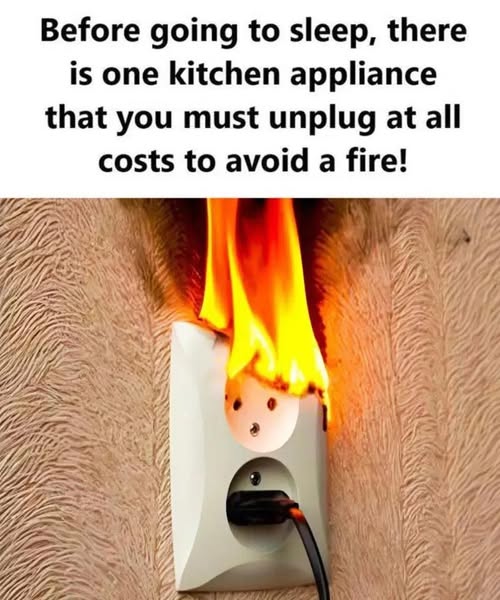
When it comes to home safety, one of the most overlooked risks lies quietly on our kitchen counters. Small kitchen appliances, while incredibly convenient for day-to-day cooking, can pose unexpected fire hazards—even when not in use. As we fill our homes with devices that simplify our routines, we also increase the number of potential ignition points. According to safety experts and fire departments, the simple act of unplugging a few key appliances before going to sleep could prevent disaster and save lives.
This isn’t about being paranoid—it’s about being proactive. While most modern appliances are designed with safety features, malfunctions still happen, and often at the worst possible times—like when everyone is asleep and unaware.
Why Air Fryers and Toaster Ovens Pose a Fire Risk (Even When Turned Off)
Devices such as air fryers and toaster ovens are two of the most commonly cited sources of hidden electrical hazards in the kitchen. Both contain heating elements, complex internal wiring, and sensitive temperature regulators. While they may be turned off, they often continue to draw “phantom” or standby power—a small but constant flow of electricity that keeps internal circuits ready to power on instantly.
Over time, exposure to heat and moisture, combined with wear and tear, can cause components to degrade. Faulty wiring, damaged plugs, and power surges—especially in older homes—can lead to overheating or even spontaneous ignition. Because these appliances are usually left on countertops near flammable objects like paper towels, wooden cabinets, or curtains, the fire risk multiplies.
And unlike with large appliances that are hardwired or constantly monitored, we often forget about smaller ones until it’s too late.
Top Appliances to Unplug Before Bed
Making this a daily routine takes seconds—but could make all the difference. Here’s a closer look at the appliances experts recommend unplugging every night:
🟢 Air Fryers
-
Known for heating up quickly and to high temperatures.
-
Sensitive internal sensors can fail silently.
-
Power fluctuations or poor outlet quality increase risk.
-
Newer models may still retain heat or misfire even after being “shut off.”
🟢 Toaster Ovens
-
Frequently cited in kitchen fire reports.
-
Tend to retain residual heat for long periods.
-
Older or budget models may allow small current leaks, creating an electrical arc.
🟢 Electric Kettles
-
Auto shut-off is a great feature—until it malfunctions.
-
Faulty thermostats or cracked heating plates may continue to heat even after boiling.
-
A dry-boil or overheating event can trigger smoke or fire if unnoticed.
🟢 Coffee Makers
-
Warming plates can stay hot for hours.
-
Faulty timers or programming glitches have caused fires in unattended units.
-
Coffee grounds and moisture make them prone to short circuits.
🟢 Microwaves
-
Older units are particularly vulnerable to magnetron and insulation breakdown.
-
A damaged door latch or faulty sensor can cause intermittent arcing or overheating.
-
Many draw power constantly for clock displays, ventilation fans, or digital panels.
Bonus Benefit: Lower Energy Bills with Zero Effort
There’s also a financial upside to unplugging your kitchen appliances at night. Many of these devices draw phantom or standby energy—a trickle of electricity used to keep them in “ready” mode. This phantom load may seem insignificant per device, but across multiple appliances and over the course of a year, it adds up.
According to the U.S. Department of Energy, phantom power usage can account for 5%–10% of a household’s electricity bill. By unplugging five or six devices each night, you could easily save $50–$100 annually without changing a single habit beyond pulling the plug.
Final Tip: Make Safety Automatic
Creating a nightly routine around unplugging can be as simple as brushing your teeth. Here are a few ways to make it effortless:
-
Use smart plugs with built-in timers to automatically cut power during sleeping hours.
-
Invest in surge protectors with manual off switches for appliance clusters.
-
Label plugs or cords for quick identification.
-
Double-check outlet condition—worn or loose sockets can be hidden hazards.
-
Review your home insurance policy to ensure it covers electrical fires or appliance malfunctions.
The Bottom Line: A Small Habit, A Big Impact
While most people focus on locking doors or turning off lights before bed, unplugging small appliances can be just as crucial. It’s one of the easiest, most effective ways to reduce the risk of household fires, protect your belongings, and potentially lower your energy bill. You don’t need to unplug everything—just the ones that pose the highest risk and draw consistent power.
In the quiet of night, peace of mind is priceless. And sometimes, all it takes is pulling a plug.
Let me know if you’d like this formatted as a home safety guide, printable checklist, or social media carousel.