Trump under fire for posting fake AI video of Obama being arrested
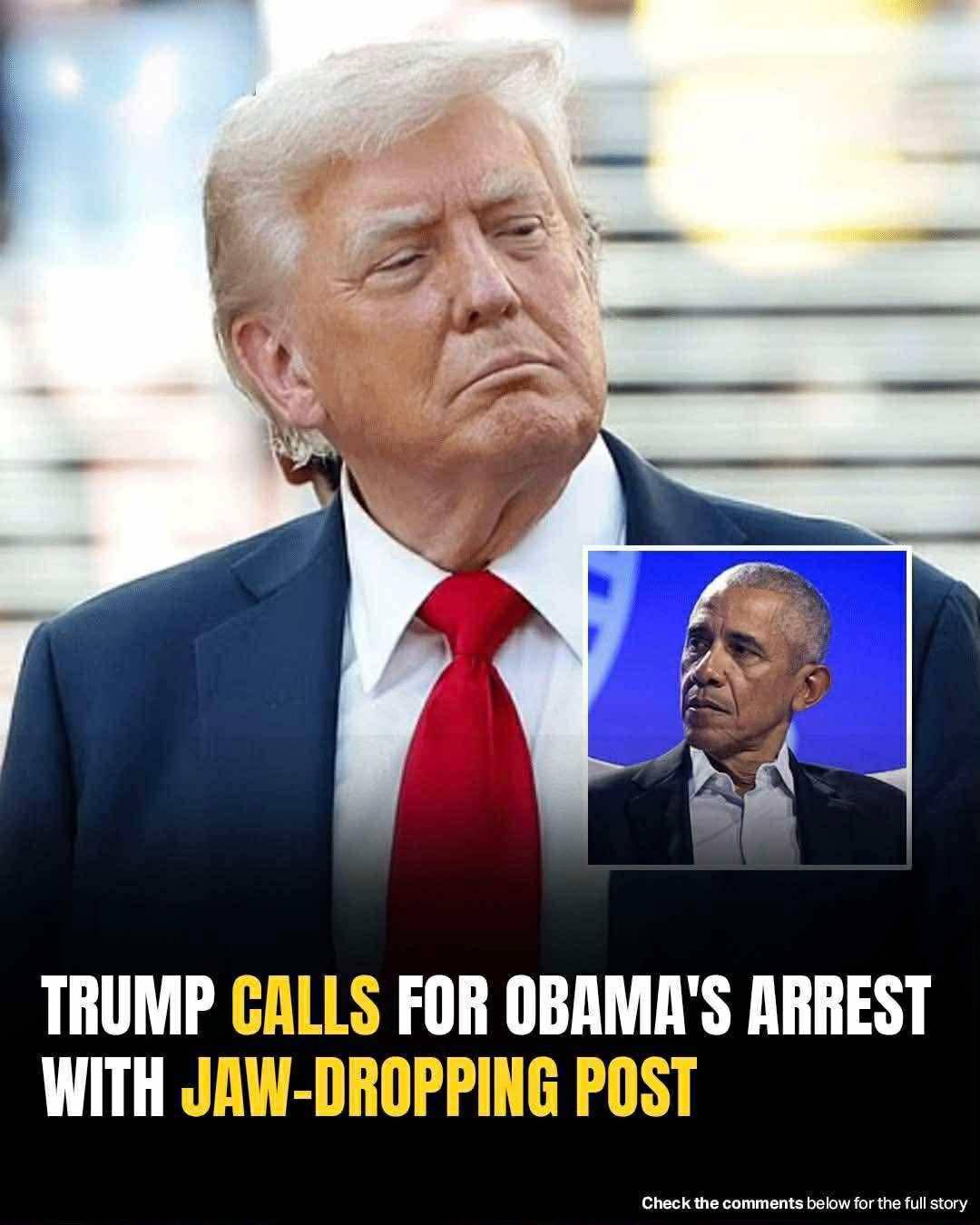
Former President Donald Trump has ignited a new firestorm after posting a controversial AI-generated videodepicting former President Barack Obama being arrested by FBI agents inside the Oval Office. Shared without a disclaimer on his Truth Social platform, the video carried the caption “No one is above the law,” and was oddly soundtracked with The Village People’s “Y.M.C.A.” — a song Trump frequently played at his campaign rallies.
The AI-manipulated clip begins with real footage from November 2016, when Obama and Trump met for the first time after Trump’s election win. But the scene quickly shifts: Obama is shown being handcuffed, marched out by federal agents, and later appears behind bars in what looks like a high-security prison.
Though the video was clearly altered, no clarification was provided to indicate it was fictional or AI-generated, raising immediate ethical and legal concerns about the dissemination of deepfakes by political figures.
Tied to a Broader Political Narrative
Trump’s video post came just days after a bombshell press briefing by Tulsi Gabbard, the former Democratic congresswoman turned Director of National Intelligence. Gabbard accused several Obama-era intelligence officials of fabricating information about Russian interference in the 2016 election, alleging the manipulation of data to justify surveillance and sway public perception.
In a pointed statement, Gabbard declared:
“Their goal was to subvert the will of the American people. Their abuse of power threatens the integrity of our democratic republic. Those involved must be held accountable and prosecuted.”
Gabbard also said she planned to submit evidence to the Justice Department, calling for potential criminal referrals. Her statements appeared to embolden Trump’s longstanding narrative that he was the target of a politically motivated investigation — and offered a convenient backdrop for the provocative Obama arrest video.
Immediate Backlash and Political Blowback
Senator Mark Warner, a Democrat from Virginia and chair of the Senate Intelligence Committee, immediately responded to Gabbard’s claims. He dismissed the accusations as “baseless” and “an alarming abuse of office”, stating:
“This is one more example of the Director of National Intelligence trying to cook the books to fit a partisan agenda. It’s reckless and undermines the credibility of our intelligence agencies.”
Legal and political experts have expressed concern that Trump’s video is part of a wider strategy to distract from his own mounting legal troubles, which include ongoing investigations into his handling of classified documents, his role in the January 6th insurrection, and resurfacing ties to Jeffrey Epstein, the disgraced financier who died in federal custody in 2019.
Critics say that by pushing false narratives and inflammatory content, Trump is shifting the national conversationaway from his legal challenges and toward baseless accusations and public spectacle.
AI, Deepfakes, and the Crisis of Trust
This isn’t the first time Trump has shared AI-generated or manipulated content, but the latest video stands out for its lack of transparency and its targeting of a former president. Experts warn that the blurring of fact and fiction—especially when done by prominent political figures—poses a serious risk to public trust.
“This kind of content erodes confidence in institutions and can incite division and even violence,” said Dr. Lisa Moreau, a digital ethics professor at Georgetown University. “When leaders legitimize misinformation, the consequences are deeper than a single post—they impact the fabric of democracy.”
Civil society groups, digital watchdogs, and even some Republicans have called for greater oversight and regulation of AI-generated media, particularly when used in political messaging. Several bipartisan bills addressing deepfake technology and election misinformation are currently stalled in Congress.
The incident has reignited urgent discussions about the role of social media platforms in policing manipulated media, the responsibility of public figures, and the future of political discourse in the AI age.
A Tipping Point for Accountability?
As the backlash intensifies, Trump has not removed the post or issued a clarification. His supporters argue that the video is clearly satirical, but others insist the lack of labeling makes it misleading, especially for viewers unfamiliar with AI technology.
With 2024 approaching and AI tools becoming more accessible, the video is a stark warning of what may lie ahead: a political landscape where illusion and disinformation are used as weapons, and truth becomes harder to distinguish from fiction.
Whether this incident prompts meaningful action remains to be seen, but one thing is clear: the line between entertainment, propaganda, and incitement is becoming dangerously thin.