When Nature Comes Knocking
Snakes Are Moving In—Here’s Why, and What It Means for Us
In recent years, biologists and urban ecologists have sounded the alarm: snakes and other forms of wildlife are creeping closer into human territory—not out of aggression, but out of necessity. As climate change accelerates and urban development sprawls, once-vast natural landscapes are being carved up by concrete, glass, and asphalt. Forests become parking lots. Wetlands vanish beneath shopping centers. Green belts are replaced by highways.
For many wild creatures, this leaves them with a harsh choice: adapt or disappear.
Among the quietest but most adaptable survivors are snakes—especially species like the grass snake, common in parts of Europe and the U.S. Non-venomous and generally shy, these snakes aren’t out to threaten humans. On the contrary, their survival instinct leads them to avoid confrontation. Their diet of insects, frogs, and small rodents makes them incredibly valuable to local ecosystems, especially as natural pest control.
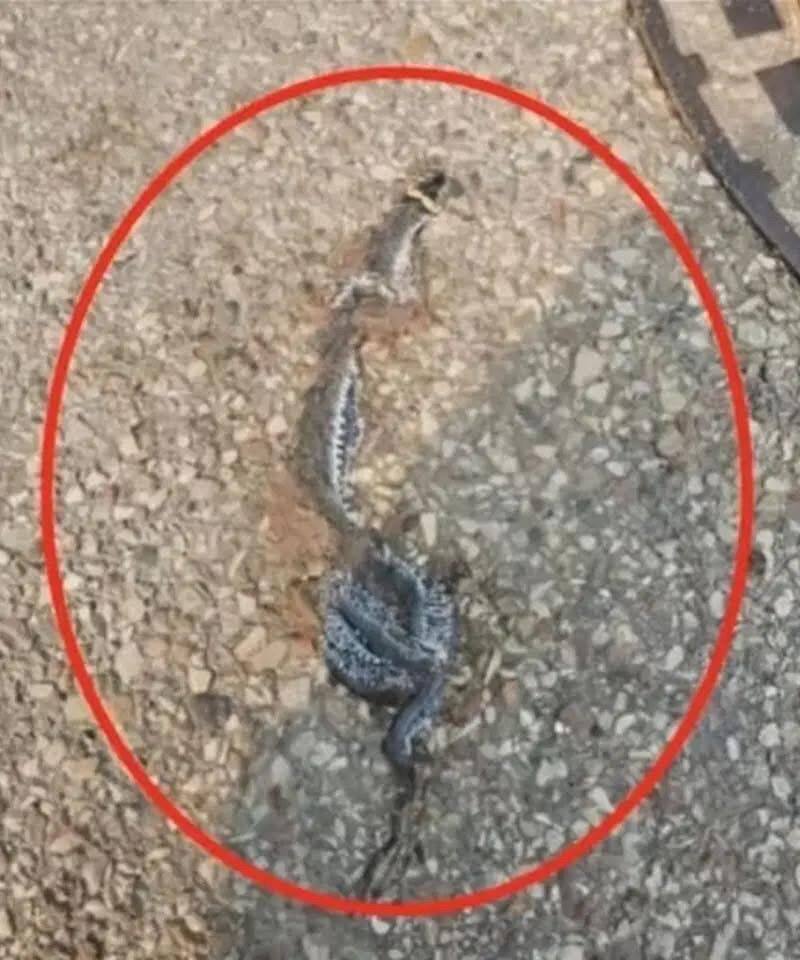
But with their habitats shrinking, snakes are starting to turn up in places they’ve rarely been seen before. Lawns, flowerbeds, sheds, garages—even basements. These areas, dark and undisturbed, mimic the hidden burrows and cool crevices they would naturally seek in the wild. In more urbanized areas, sightings of snakes sunbathing on sidewalks or slithering through storm drains are becoming more common.
It’s easy to see why this unnerves people. Snakes, due to myths and misunderstandings, often trigger deep fear. But most urban-dwelling snakes are harmless, and their presence is not a sign of danger—it’s a symptom of disruption. We’ve taken over their homes, and now they’re learning to live with us.
Ecologists stress that this isn’t an invasion—it’s a migration driven by survival.
As warming temperatures shift ecosystems and urban boundaries blur into what were once wild zones, snakes become unlikely but vital indicators of environmental change. Their appearance in backyards might feel intrusive, but it can actually signal a resilient ecosystem still holding on amid human expansion.
Here’s what you can do:
-
Don’t panic: If you see a snake, give it space. Most are non-aggressive and will flee if unprovoked.
-
Call professionals: If you find a snake inside your home or somewhere unsafe, contact local wildlife or pest control experts rather than trying to move it yourself.
-
Prevent entry: Keep grass trimmed, seal cracks in walls, avoid leaving clutter like woodpiles or debris near foundations, and screen vents and crawlspaces.
-
Coexist thoughtfully: Snakes play a crucial role in controlling pests. By letting them be in the garden (if safe), you’re actually supporting a balanced environment.
Cities and suburbs can also take a proactive role by preserving green corridors, planting native vegetation, and incorporating wildlife-friendly planning into new developments. Even small, connected patches of greenery can give animals the breathing room they need—and reduce the frequency of backyard encounters.
Ultimately, the snakes’ quiet arrival is a powerful reminder: we’re not separate from nature—we’re a part of it. As we continue to reshape the planet, the question isn’t just how wildlife will adapt to us—but whether we’re willing to adapt to them.
Because the future of conservation may not just live in forests and mountains, but in the choices we make in our own neighborhoods.