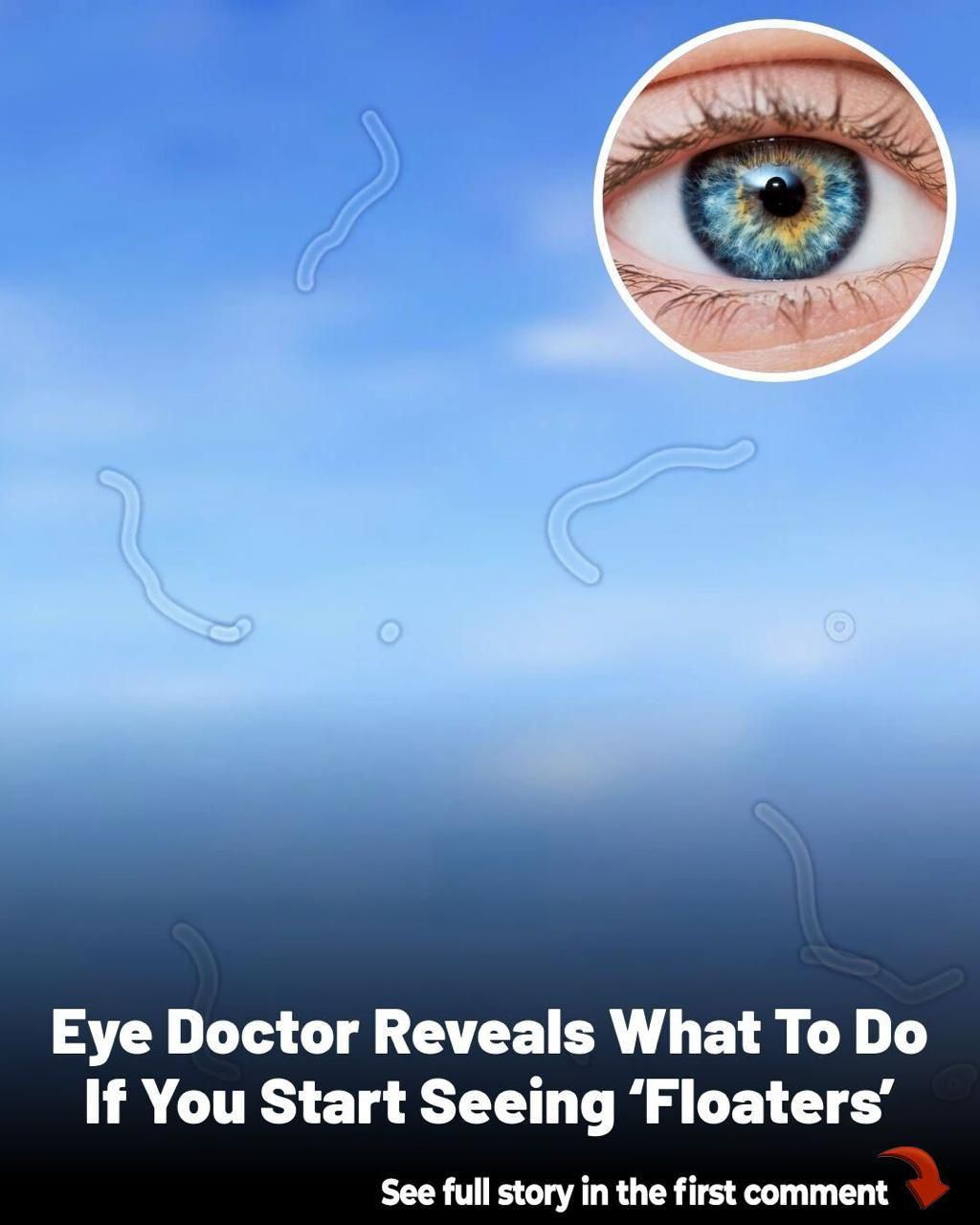
What Are Eye Floaters? Here What To Do If you Start Seeing Them
Eye Floaters: What to Know
Most people will experience eye floaters at some point in their lives. These floaters appear as tiny specks, squiggly lines, or cobweb-like shapes that drift across the field of vision. They are particularly noticeable when looking at a bright background, such as a clear sky or a white wall. While floaters can be distracting, they are usually harmless and tend to fade into the background as the brain learns to ignore them. In many cases, they are simply a byproduct of the natural aging process and changes within the eye’s vitreous gel.
Common Causes
The most common cause of floaters is aging. As people get older, the vitreous—the gel-like substance inside the eye—begins to shrink and liquefy. This process causes small clumps of collagen fibers to form, which then cast shadows on the retina, creating the illusion of floaters.
Other contributing factors include:
-
Nearsightedness (myopia): People who are nearsighted often notice floaters earlier in life because their eyes may undergo structural changes sooner.
-
Diabetes: Uncontrolled blood sugar can damage the delicate blood vessels of the retina, sometimes leading to bleeding inside the eye that manifests as floaters.
-
Post-cataract surgery: After cataract removal, changes in the vitreous or minor complications can make floaters more noticeable.
While floaters are most often benign, it is important to distinguish between common, age-related floaters and those that may signal a more serious condition.
Warning Signs – When to See a Doctor
Although floaters alone are typically harmless, certain symptoms require immediate medical attention. You should seek urgent care if you experience:
-
A sudden increase in floaters: An abrupt rise in the number of floaters could indicate bleeding inside the eye or a retinal problem.
-
Flashes of light: These may signal that the vitreous is pulling on the retina, a precursor to tearing.
-
A dark shadow or curtain in your vision: This is one of the hallmark signs of a retinal detachment, which is a medical emergency.
A retinal tear or detachment can lead to permanent vision loss if not treated promptly. Early evaluation by an ophthalmologist can make the difference between preserving and losing sight.
Treatment Options
For the majority of people, floaters require no treatment at all. Over time, they often become less noticeable as the brain adapts and learns to filter them out.
However, in rare cases where floaters are severe and significantly impair vision, treatment may be considered. Options include:
-
Vitrectomy: A surgical procedure where the vitreous gel is removed and replaced with a clear solution. While effective, this surgery carries risks such as retinal detachment, cataracts, or infection.
-
Laser therapy: This method uses lasers to break up floaters, making them less visible. Its effectiveness varies, and not all patients are suitable candidates.
Because both treatments carry potential complications, they are generally reserved for extreme cases where daily life is heavily impacted.
Tips to Manage Floaters
While you may not be able to eliminate floaters completely, lifestyle habits and coping strategies can make them less bothersome:
-
Shift your eyes: Moving your eyes up and down or side to side can sometimes move floaters out of your direct line of sight.
-
Eat an eye-healthy diet: Nutrients such as omega-3 fatty acids, vitamin A, and zinc support overall eye health.
-
Avoid smoking: Smoking is linked to eye conditions like macular degeneration and may worsen eye health over time.
-
Schedule regular eye exams: Routine checkups help detect changes early and ensure your eyes remain healthy.
Bottom Line
Eye floaters are a common part of aging and, in most cases, harmless. However, sudden changes—such as a rapid increase in floaters, flashes of light, or the appearance of a dark curtain across vision—should never be ignored, as they could point to serious retinal issues. Staying proactive with eye health, making smart lifestyle choices, and seeking prompt medical attention when warning signs appear are the best ways to protect your vision.