ER doctor’s urgent warning about avocados – after thousands end up in hospital with the same problem
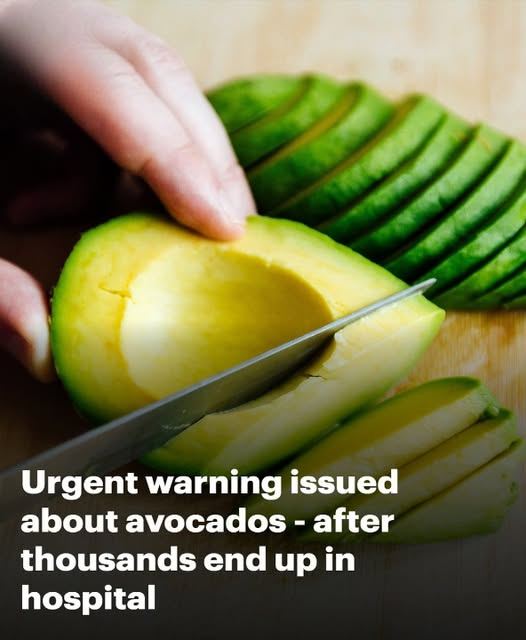
A surprisingly common kitchen injury, often called “avocado hand,” sends thousands of people to emergency rooms every year. What seems like a harmless cooking task can quickly become a painful accident when the knife slips while removing the pit. A fruit celebrated for its health benefits has also become one of the most frequent causes of hand injuries in modern kitchens.
According to emergency physician Dr. Joe Whittington, nearly nine thousand Americans require emergency treatment for avocado-related cuts annually. The injuries range from minor nicks to deep wounds that can damage tendons, nerves, or muscles. The issue has grown so widespread that medical professionals now use the term “avocado hand” to describe the pattern of these injuries.
Dr. Whittington explains that most accidents happen the same way. A person holds the avocado in one hand and tries to strike the pit with a sharp knife held in the other. The pit’s surface is smooth, and if too much force is used, the knife often glances off and drives directly into the palm or fingers. In many cases, the blade penetrates deep enough to require stitches or even surgical repair.
“The biggest mistake people make is assuming the pit will stay still when they hit it,” Dr. Whittington says. “But the fruit’s slippery texture and round shape make it unpredictable. One wrong move, and the knife goes right through.”
He recommends a safer and more controlled approach. First, place the avocado on a cutting board instead of holding it in your hand. Cut it lengthwise around the pit, then twist the two halves gently until they separate. Once the pit is visible, hold the knife firmly near the base of the blade for better control. Tap the knife’s tip lightly into the pit rather than swinging or slashing toward it. When the blade catches, twist it slowly to loosen the pit and lift it out.
This simple adjustment greatly reduces the chance of slipping. It also eliminates the need to apply unnecessary force, which is the main cause of deep puncture wounds. “Precision, not power, is what keeps your hands safe,” Dr. Whittington notes.
His viral video explaining this method has reached millions of viewers, reminding home cooks that kitchen safety is just as important as culinary creativity. “The goal,” he says, “is to protect your hand, not just perfect your guacamole.”
Beyond injury prevention, Dr. Whittington also offers practical advice on how to make the most of your avocados. Many people throw away fruit that turns slightly brown, assuming it has spoiled. However, he clarifies that a browned avocado is not necessarily bad. The discoloration is usually a natural result of oxidation, similar to how an apple darkens after being cut. In most cases, the fruit remains safe and tasty for up to two days if kept in the refrigerator.
A little extra care in the kitchen can prevent painful accidents and unnecessary waste. By slowing down, using proper cutting techniques, and keeping your focus, you can enjoy your favorite avocado dishes without fear. Whether you are preparing breakfast toast, salads, or guacamole, a mindful approach turns cooking into a safer and more enjoyable experience.
Avocados may be known for their heart-healthy fats and delicious flavor, but they also serve as a reminder that even the simplest kitchen tasks deserve attention. With a steady hand and a bit of caution, you can protect your fingers and keep the emergency room out of your recipe.