What Happens When You Eat Expired Cans
Most kitchens hold a few forgotten cans tucked deep within the pantry — beans, soup, or vegetables that were bought long ago and then pushed aside. When someone finally rediscovers them, their instinct is often to check the date printed on the label. Seeing that it has passed, many people immediately throw the can away. Yet, this reaction isn’t always necessary. In reality, most of the dates stamped on canned goods are not strict expiration dates but indicators of quality. Understanding the difference between these terms can save money, reduce food waste, and help ensure that perfectly good food doesn’t end up in the trash.
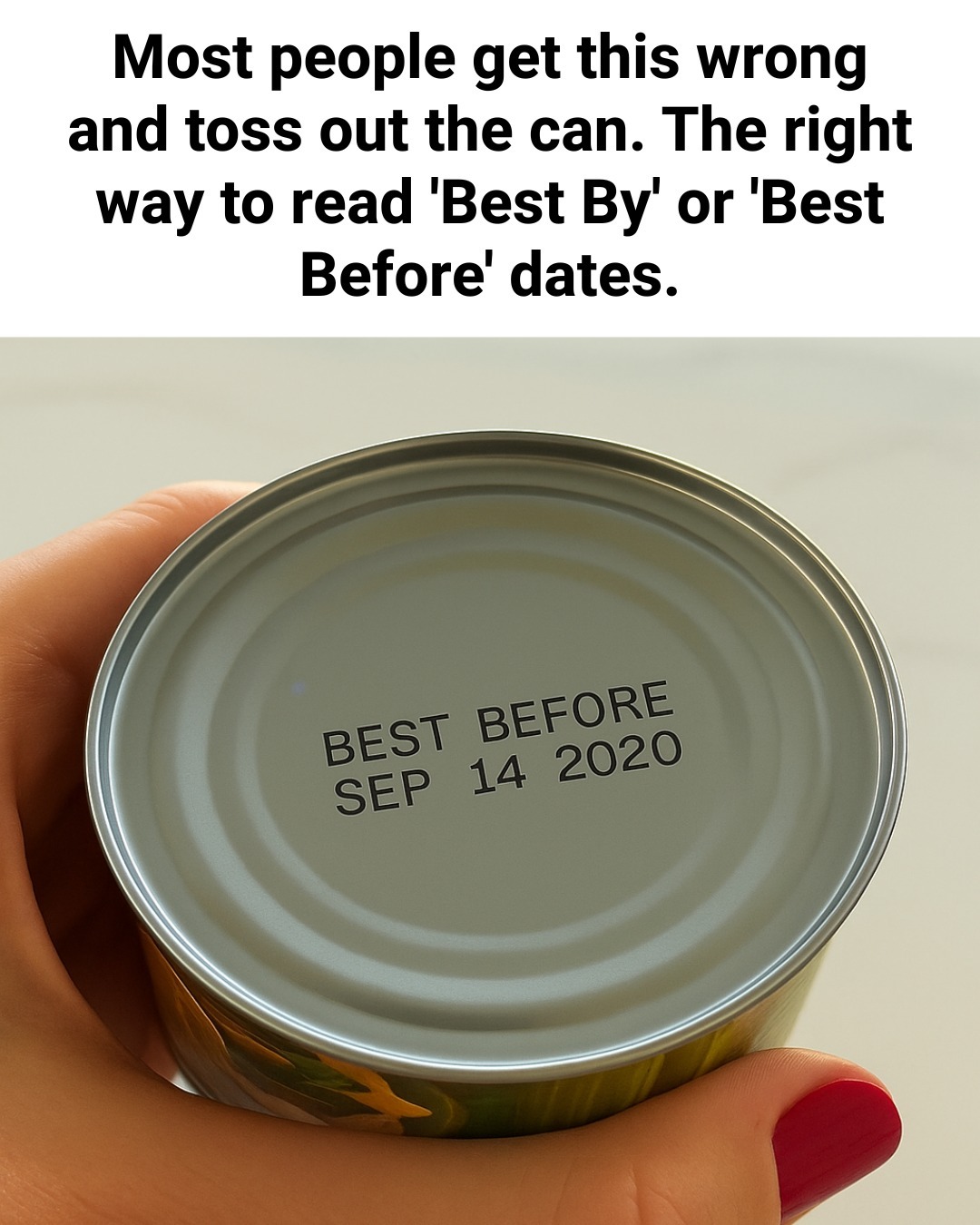
Canned goods often feature phrases like “Best By,” “Best Before,” or “Use By,” but each has a specific meaning. “Best By” and “Best Before” are used to mark the period when the product is at its peak in terms of flavor, texture, and color. They are set by manufacturers as quality guidelines, not safety deadlines. This means that even after the date has passed, the food may still be entirely safe to eat — though it might not taste quite as fresh as it once did. “Use By” dates are more common on perishable items such as dairy products, deli meats, or fresh juices. Even then, the label often refers to best quality rather than a definite cutoff point for safety.
When it comes to canned foods, longevity largely depends on storage conditions. A can stored in a cool, dry place away from direct sunlight can remain safe far beyond the printed date. Temperature stability is especially important; exposure to heat or moisture can weaken the metal, affect the seal, and ultimately reduce the food’s shelf life. Ideally, canned goods should be stored at temperatures below 85°F (29°C) to preserve both flavor and safety.
Different types of canned foods also have varying shelf lives. High-acid foods such as tomatoes, tomato sauces, citrus fruits, and pineapple generally maintain their best quality for 12 to 18 months. The acidity helps prevent bacterial growth but can slowly break down the lining of the can over time, which is why these foods should be consumed sooner. On the other hand, low-acid foods such as beans, corn, peas, carrots, and canned meats tend to last much longer — often three to five years, and sometimes even longer if stored correctly.
According to the U.S. Department of Agriculture (USDA), properly stored canned foods can actually remain safe indefinitely. The crucial factor is whether the can itself is intact. As long as it shows no signs of damage, the food inside should be safe to eat, though the taste, texture, and nutritional value may decline gradually. The airtight seal created during the canning process prevents bacteria and other microorganisms from entering, which is why canned foods have such remarkable longevity.
However, certain warning signs should never be ignored. Cans that are bulging, leaking, heavily rusted, or deeply dented are unsafe. These defects can break the seal and allow bacteria, including Clostridium botulinum, which causes botulism, to grow. Likewise, any can that releases gas or liquid when opened, gives off a foul odor, or shows discoloration inside should be discarded immediately. In these cases, safety takes precedence over thrift.
By learning how to read and interpret date labels correctly, consumers can make informed choices that reduce unnecessary waste. The next time you find a can slightly past its “Best By” date, take a closer look before throwing it away. If the can appears intact, smells normal, and shows no signs of spoilage, it might still provide a safe and satisfying meal. Understanding how canned food preservation works not only helps stretch your grocery budget but also supports sustainability by cutting down on food waste.