When payment could occur
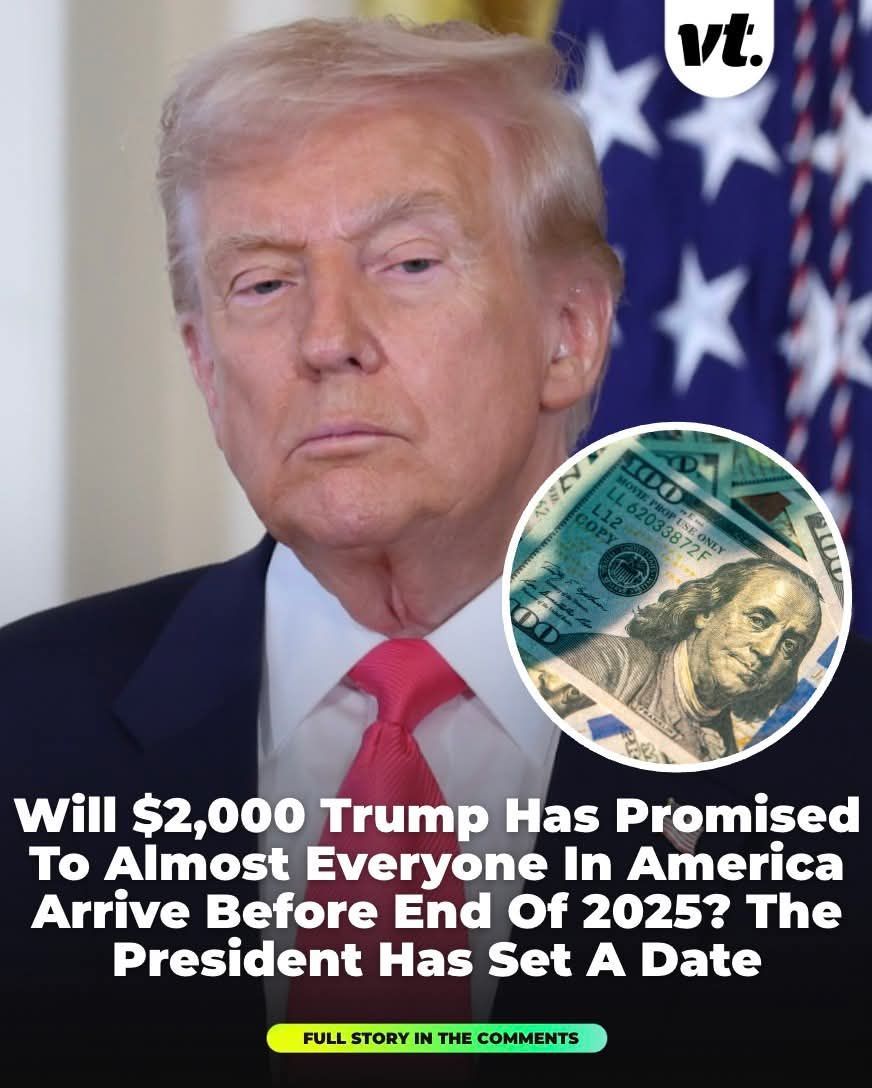
At the center of this proposal sits a long standing tension that often appears in public debates about economic policy. On one side is the undeniable appeal of receiving direct cash benefits. On the other side is the complex set of costs that may reveal themselves only after such a program begins. These costs may not be immediately visible, yet they can reshape markets, influence consumer behavior, and alter the balance of global trade. Tariffs can certainly bring additional revenue into government budgets, and supporters often highlight this point with confidence. Even so, tariffs also tend to raise prices for consumers, limit the range of available products, and disrupt supply chains that rely on smooth movement across borders. Without a clear explanation of how much revenue could be collected, who would be eligible for the proposed payments, and which administrative systems would deliver the funds, the idea remains more of a political aspiration than a fully prepared public program.
For people trying to understand what this proposal truly means, the most important questions are practical rather than philosophical. They involve everyday concerns about affordability, economic stability, and long term planning. One major question involves the reliability of tariff based funding in a global economy that can shift quickly. International markets respond to supply shocks, diplomatic tensions, technological changes, and unpredictable events. A revenue source tied so closely to these conditions may fluctuate from year to year. Citizens must therefore ask whether a program based on such a source could consistently provide the promised benefits.
Another important consideration involves the basic tradeoff between higher consumer prices and the receipt of regular payments. If the cost of imported clothing, household goods, food items, or electronics rises, families may feel the impact every week. Any dividend would need to be large enough and stable enough to outweigh those increased expenses. Even a well designed payment system could lose much of its appeal if the rise in everyday prices erodes the financial benefit.
There is also the question of how this new structure would interact with existing tax rules, credit provisions, and benefit programs. Modern tax and welfare systems are complex networks built over many decades. Introducing a new tariff funded dividend would require careful coordination with these existing structures to avoid confusion or double counting. For example, would the new payments reduce eligibility for certain income based benefits? Would they be taxed as income? Would they replace any current programs or simply sit alongside them? Each of these questions requires precise legislative language and clear administrative planning.
At the moment, the proposal functions more as a declaration of political intent than as a detailed policy blueprint. It signals a desire to support households directly, to shift the cost of that support onto foreign producers, and to reshape global trade relationships in the process. Whether it can achieve any of these aims depends on future legislation, expert analysis, and public debate. Until those elements become available, citizens should treat the plan as an ambitious statement of priorities rather than an immediate and guaranteed change to national economic policy.