A Simple Explanation for Window Grills With a Bottom Curve
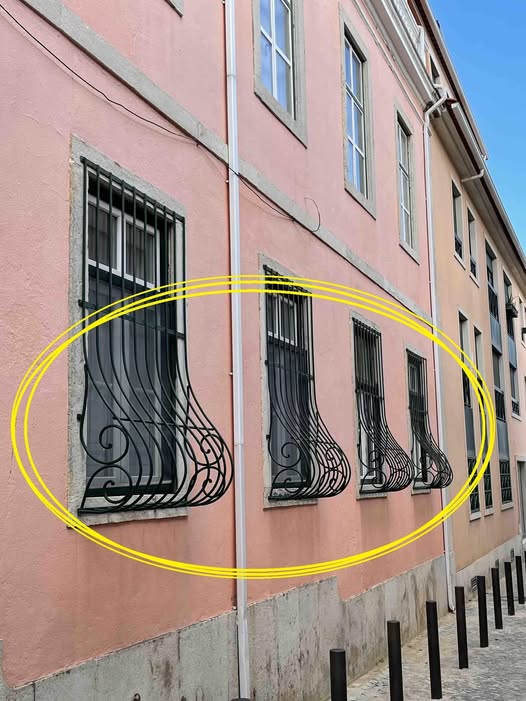
The outward curving grill that many people glance at without a second thought is far more than a nostalgic touch on an old building. It represents a small architectural innovation that grew from the most ordinary of human needs. Its gentle curve, often referred to as a belly, creates a cradle that seems to lean kindly toward the street. This shape offers just enough room for flower boxes to rest securely, turning what might have been a flat and forgettable window into a tiny stage filled with color. Petunias spill over the edges. Geraniums brighten gray walls. Ivy trails delicately downward. Even a single pot of herbs can give a sense of life and care. In crowded neighborhoods where buildings stand shoulder to shoulder, these bursts of green and red and purple soften the visual heaviness of stone and steel. They signal that someone inside tends the space with affection. They remind passersby that homes are made not only of walls but also of small gestures of beauty.
Beyond this charm lies a very practical solution to a common urban inconvenience. Many apartments and older homes rely on window air conditioners. These units are hefty, awkward to position, and often require extra room to sit level and ventilate properly. A flat grill restricts space and can force people to choose between comfort and safety. The curved grill, however, offers just enough additional clearance for an air conditioner to rest firmly while still allowing air to circulate. Residents can stay cool in summer without leaving their windows vulnerable. The bars provide protection while the belly provides space. What appears whimsical is in fact a thoughtful balance between form and function.
Modern homeowners and designers have embraced this dual purpose. Instead of treating grills as purely utilitarian barriers, they now approach them as opportunities to shape the character of a building. Some choose slender steel with clean lines that complement contemporary architecture. Others prefer ornate wrought iron with scrolls and flourishes that echo historic craftsmanship. The variety allows a building to maintain security without sacrificing personality. When these grills are maintained with care and painted regularly, they can last for decades, becoming part of the story of the home.
Safety remains an important part of the design. A curved grill works best when paired with reliable locks, outdoor lighting, and modern alarm systems. Together, these features provide protection that feels welcoming rather than defensive. The window stays secure, yet the space still breathes with flowers and fresh air. This blending of security and beauty is what makes potbellied grills so quietly impressive. They do not force a choice between feeling safe and feeling at home. Instead, they show that both needs can be honored at the same time.
In many neighborhoods, especially those with narrow streets where residents live close to one another, these curved grills create subtle connections between homes and the public world. A passerby might admire a windowsill garden. A neighbor might exchange a greeting while watering plants. The grill becomes both a guard and a gesture of hospitality. It protects the window while inviting the eye.
In this way, the potbellied grill stands as a reminder that thoughtful design often begins with simple human desires. People want safety. They want comfort. They want beauty. When all three are given room to exist together, even a window can become a declaration of care and creativity.