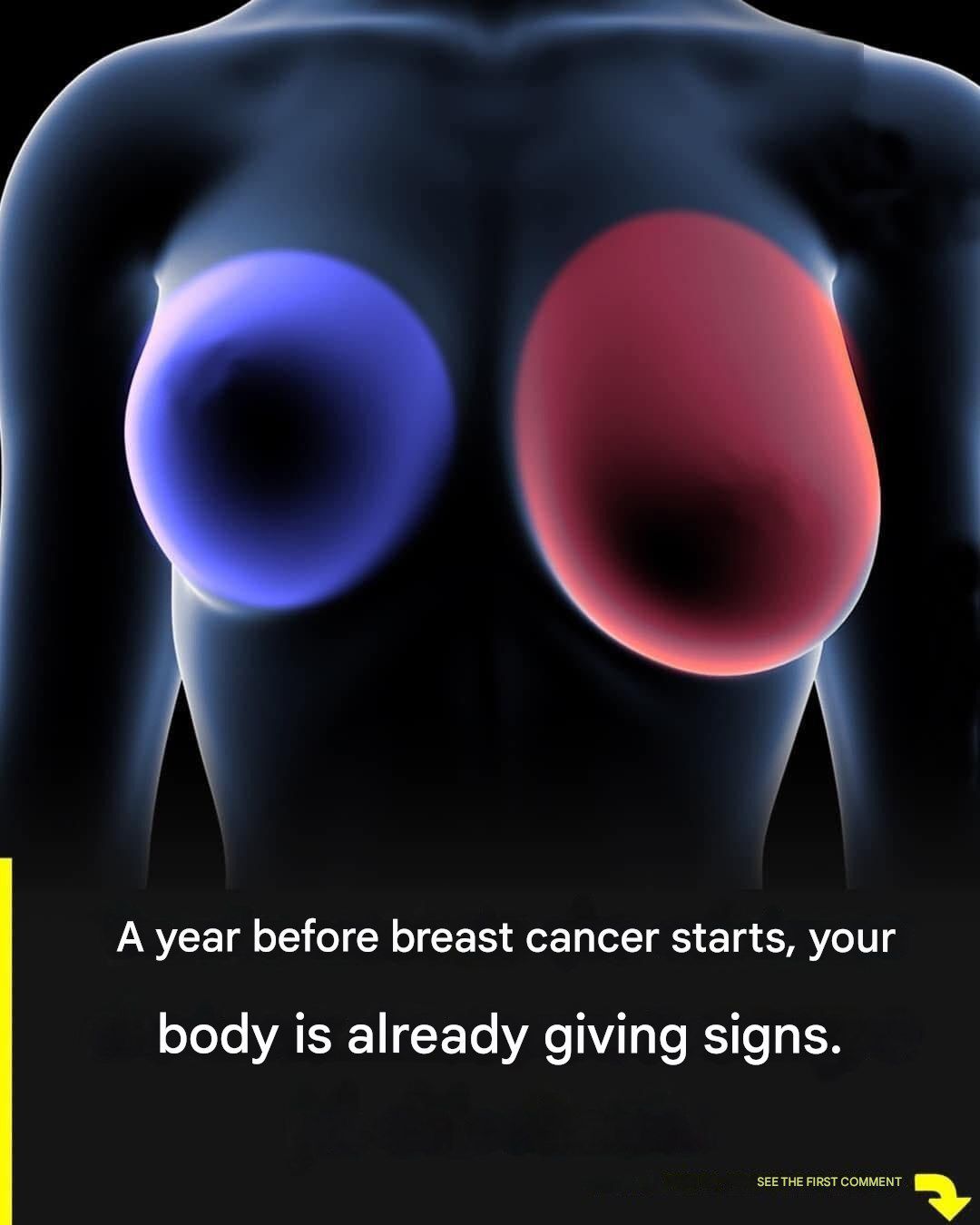
Breast cancer: 4 early signs every woman should know.
These changes, although not always related to cancer, can indicate alterations in the mammary glands that deserve careful attention and proper medical evaluation. The body often sends subtle signals long before a serious condition develops, and learning to recognize these signals can make a meaningful difference in long term health outcomes.
One important sign that should never be ignored is the presence of a lump or swelling in the armpit. The armpit contains lymph nodes that are part of the immune system. When the body fights an infection, these nodes may temporarily swell and then return to normal. However, a lump that remains for several weeks, continues to grow, or feels hard or fixed in place requires professional assessment. In some cases, abnormal cells from the breast can travel to nearby lymph nodes, making the armpit an early location where warning signs appear. Because this area is not always examined during routine self care, such changes can go unnoticed unless one is attentive.
In addition to armpit changes, the breasts themselves may display several warning signs. These can include persistent pain in one area of the breast, noticeable thickening of the skin, changes in size or shape, nipple discharge that is not associated with breastfeeding, or the appearance of redness, dimpling, or skin texture resembling an orange peel. While many of these symptoms can be linked to benign conditions such as cysts or hormonal fluctuations, they should never be dismissed without evaluation.
Only clinical and imaging tests can determine the true cause of these changes. Physical examinations, ultrasounds, mammograms, and when necessary, biopsies, allow doctors to identify whether a change is harmless or requires treatment. Early evaluation prevents unnecessary anxiety and ensures that any serious condition is addressed at the most manageable stage.
Doctors strongly encourage monthly breast self exams as a powerful first line of detection. These exams help individuals become familiar with their own anatomy so that even minor changes are quickly recognized. The ideal time to perform a self exam is a few days after menstruation ends, when the breasts are least tender and swollen. For those who do not menstruate, choosing the same day each month helps establish consistency.
Beginning at age forty, regular mammograms become an essential component of preventive care. Depending on individual risk factors such as family history, genetic predisposition, or previous breast conditions, physicians may recommend screening every one or two years. Mammograms can detect abnormalities long before they can be felt, making them one of the most effective tools for early diagnosis.
The value of early detection cannot be overstated. When breast cancer is identified at an early stage, treatment options are broader, recovery rates are significantly higher, and the physical and emotional impact of treatment is often reduced. Many women who receive early diagnosis are able to return to full and healthy lives with minimal long term effects.
Beyond medical screening, lifestyle choices also play a role in breast health. Maintaining a balanced diet, engaging in regular physical activity, limiting alcohol consumption, and managing stress all contribute to stronger immune function and hormonal balance. These factors support overall health and may reduce the risk of many chronic diseases.
If you notice anything unusual, consult your doctor as soon as possible. No symptom is too small to mention when it comes to your health. Paying attention to your body, staying informed, and seeking timely medical care form the foundation of prevention and protection. Taking care of yourself today is one of the most important steps you can take toward a healthier, safer, and more confident future.