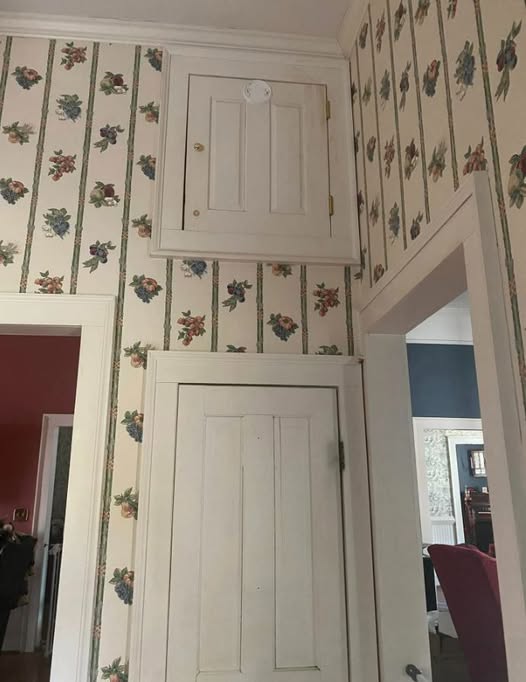
High Cabinets, Hidden Uses: Discover Their Overlooked Function
The Mystery of High Cabinets in Old Homes
If you have ever toured an old house, you might have noticed a peculiar architectural feature. A tiny cabinet built high into a wall or perched above a doorway, sometimes open, sometimes framed with wood, and usually too small to make sense at first glance. These miniature storage spaces often held only one or two shelves. They sat well above eye level, and many lacked doors completely. At first, they can seem impractical or even decorative rather than useful. Yet their forgotten purpose was surprisingly clever. These raised cabinets stored items out of immediate reach, keeping homes organized at a time when every object needed its place.
Vintage Storage Hacks, Making Every Inch Count
Before modern home designs came along with walk in closets, attached garages, and sprawling basements, older homes relied on creative solutions. Space was precious. People owned fewer belongings overall, but they still needed room for seasonal household items and personal treasures. Elevated cabinets offered a simple answer. Homeowners could place infrequently used objects, such as extra linens, luggage, keepsake boxes, or holiday décor in the upper storage nook. With these bulkier items tucked out of the way, daily essentials remained easy to reach. What some people today jokingly call death storage was once a practical and efficient system that helped maintain order throughout the home.
These cabinets also reflected the craftsmanship of the era. Builders created custom solutions that blended seamlessly into walls, hallways, and bedrooms. Instead of wasting space above a doorframe, they transformed the gap into storage. Modern homes often feature unused voids in similar places, yet older builders saw opportunities instead of obstacles.
A Clever Tax Saving Trick
Beyond convenience, these cabinets sometimes served a financial purpose. In certain regions and time periods, homes with large closets were subject to higher property taxes. Tax codes varied, but the idea remained consistent. Large, designated storage spaces increased a home’s taxable value. High wall cabinets, however, did not meet the definition of a full closet. They provided helpful storage without alerting tax assessors or inflating the cost of homeownership. This blend of practicality and thrift made the feature even more appealing. A small built in cabinet could support household organization while keeping family budgets under control.
Smart Space Design, Lessons for Modern Homes
The idea behind these cabinets offers valuable insight today. They took advantage of space that would otherwise sit empty. Homeowners accepted that a ladder or step stool might be necessary, because the benefit outweighed the inconvenience. These little cupboards remind us that creative design can turn limitations into solutions. Although some modern homeowners consider them outdated, others embrace them for their charm. They offer character and a touch of history, hinting at the daily routines of the past.
More importantly, these cabinets symbolize resourcefulness. They show how earlier generations solved common problems with imagination and a practical mindset. In a time when storage trends focus on bigger closets and larger rooms, the quiet ingenuity of these elevated nooks stands out as a thoughtful alternative. They prove that purposeful design never goes out of style.