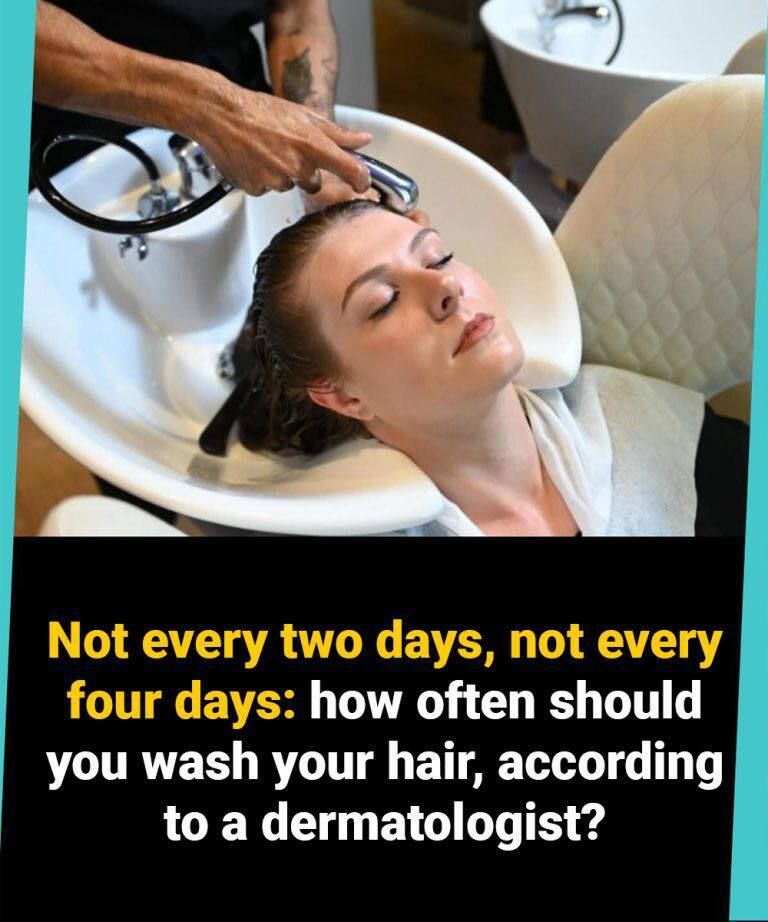
How Often Should You Really Wash Your Hair? A Dermatologist Shares Clear, Simple Guidance
If you’ve ever wondered, “Am I washing my hair too often—or not enough?” you’re definitely not alone. Many of us grew up hearing totally different rules from family, magazines, or old beauty tips, and it can be hard to know what actually keeps your hair and scalp healthiest.
Dermatologists say the real answer is simpler than you might think:
👉 Most people do well washing their hair about three to five times per week—with some flexibility depending on your scalp, routine, and preferences.
As we get older, especially past 60, that question becomes even more confusing. Hair texture changes, the scalp may feel drier or more sensitive, and long-standing myths (like “washing less makes hair healthier”) don’t help. Fortunately, modern dermatology offers clearer guidance than ever.
Below, we’ll walk through how often to wash, why regular cleansing matters, and the small habits that keep your scalp and hair feeling their best.
Why Washing Your Hair Regularly Actually Matters
From a dermatologist’s point of view, washing your hair is really about taking care of your scalp. Clean hair starts with a clean, comfortable scalp.
Regular washing helps to:
-
Remove extra oil and product buildup
-
Keep the scalp feeling fresh and able to “breathe”
-
Reduce odor from heat, sweat, or environmental factors
-
Minimize the conditions that allow fungi or bacteria to thrive
Dr. Alex Docampo, a dermatologist who focuses on scalp health, reminds patients that washing more often does not cause the scalp to produce more oil.
Many people worry that frequent shampooing will damage their hair or make it greasier, but that’s a myth. The key is to match your routine to your own scalp’s needs.
In short: avoiding shampoo doesn’t protect your hair. Understanding your scalp and cleaning it properly does.
The “Three-to-Five Times a Week” Rule
For a large number of people, washing 3–5 times a week is a healthy, practical rhythm. It’s often enough to:
-
Remove sebum (natural oil) before it builds up
-
Prevent that heavy, greasy feeling
-
Reduce itching, flaking, or discomfort
However, your ideal schedule might be slightly different depending on:
-
Whether your scalp is oily, normal, or dry
-
How often you sweat or exercise
-
The climate where you live (humid vs. dry)
-
How many styling products you use
-
Whether you wear hats, wigs, or hairpieces often
As one hair institute puts it simply:
The best washing frequency varies from person to person based on hair type, daily activities, scalp condition, and styling habits.
Think of the 3–5 day guideline as a starting point—not a strict rule. From there, you adjust based on how your scalp feels.
What Happens If You Wait Too Long Between Washes?
Stretching the time between washes too far can create its own problems. When oil, sweat, and product sit on the scalp for too long, they can trap irritants and create an unhealthy environment. Over time, you may notice:
-
Itching or scalp tenderness
-
Flakes or buildup
-
Hair that looks and feels greasy
-
An imbalance in the scalp’s natural ecosystem
-
Temporary shedding triggered by irritation
Dermatologist Dr. María Marcos notes that heavy buildup can inflame the hair follicles, which may temporarily disturb normal hair growth. Hot weather, stress, and naturally oily skin can make these issues even more noticeable.
The fix isn’t complicated:
👉 Wash often enough that your scalp feels clean and comfortable.
If your scalp feels tight, itchy, oily, or uncomfortable, it’s usually a sign you’re waiting too long.
Choosing the Right Shampoo and Conditioner
As we age, hair often becomes finer, drier, or more fragile, which makes product choice more important. Dermatologists commonly recommend:
-
Gentle or balancing shampoos for normal to oily scalps
-
Sulfate-free formulas for sensitive or easily irritated skin
-
Conditioner from mid-lengths to ends, not on the scalp
-
A weekly hydrating mask if hair feels dry or coarse
Conditioner helps protect and soften the hair shaft, but the scalp usually doesn’t need it. Applying conditioner only from the mid-lengths down prevents roots from looking flat or greasy.
Optional extras—like shine serums, light leave-in sprays, or root touch-up products—can be helpful, but they’re not essential. A good, consistent cleansing routine does more for hair health than a shelf full of products.
Small Daily Habits That Support Healthy Hair
How often you wash matters—but how you wash is just as important. Hair and scalp professionals often suggest:
-
Using warm water, not very hot
-
Massaging the scalp gently with your fingertips (avoid scratching with nails)
-
Rinsing thoroughly so no shampoo or conditioner is left behind
-
Keeping heavy oils, waxes, or thick styling products off the scalp
-
Letting hair dry completely before going to bed to prevent dampness on the pillow and scalp
These little habits help keep the scalp balanced and the hair easier to manage.
Finding the Routine That Truly Works for You
If you’d like a simple rule of thumb, washing your hair three to five times a week is a solid, dermatologist-approved starting point for most people. From there, your comfort is your best guide.
Ask yourself:
-
Does my scalp feel fresh and calm?
-
Or does it feel itchy, oily, tight, or uncomfortable?
If it feels good, you’re probably washing often enough. If not, it may be time to adjust your schedule or switch to a more suitable shampoo.
Healthy hair care doesn’t require complicated routines or expensive treatments. It comes down to consistent cleansing, gentle techniques, and listening to what your own scalp is telling you.