If You’ve Noticed Ridges in Your Fingernails, This Is What It Really Means
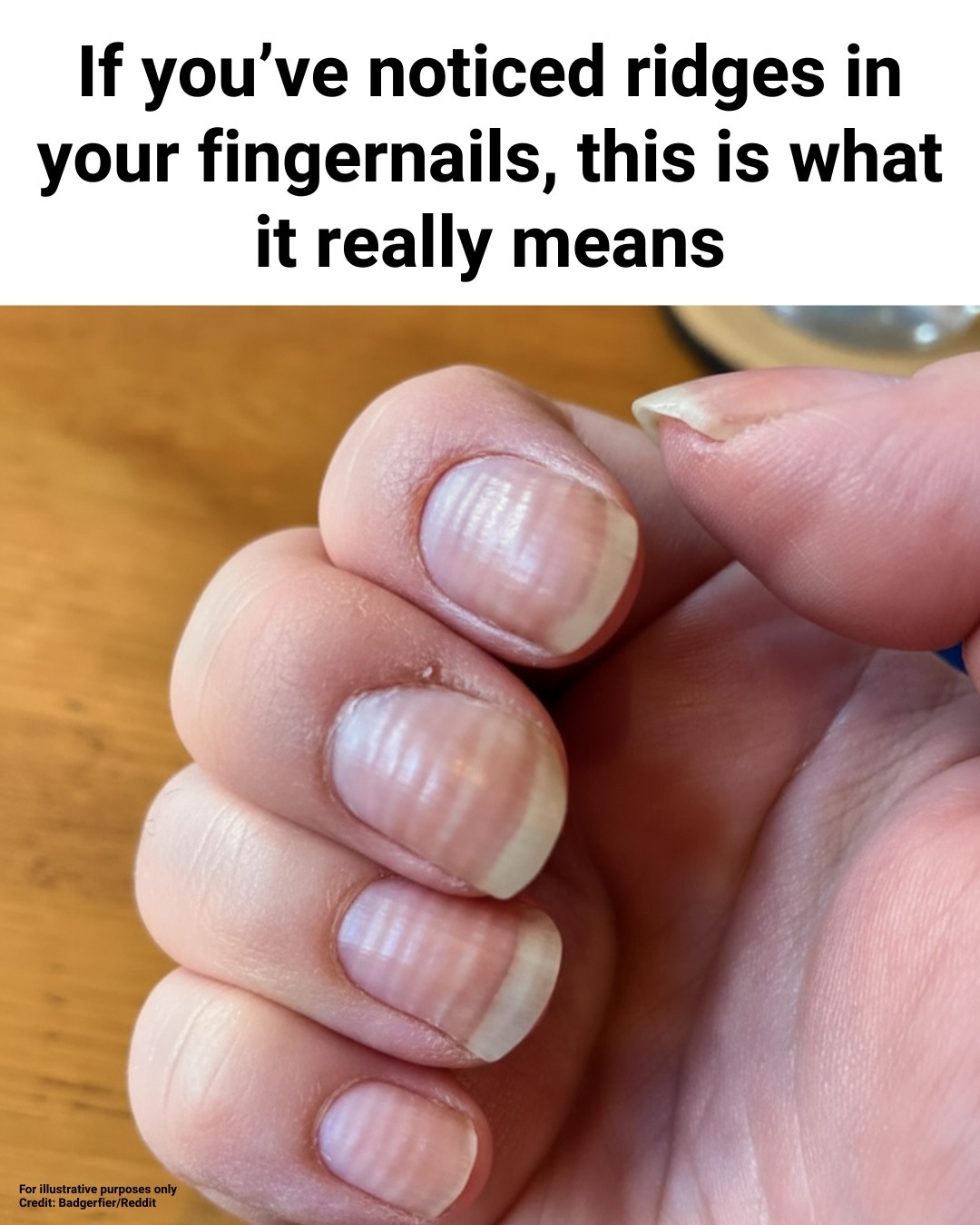
Noticing ridges on your fingernails can be surprising, especially if they seem to appear suddenly or become more noticeable over time. In most cases, however, nail ridges are completely harmless. Fingernails often reflect everyday wear, environmental exposure, and natural changes within the body. Small variations in texture, thickness, and appearance are very common and usually part of normal nail growth rather than a cause for concern.
The most common type of ridge is vertical, running from the cuticle at the base of the nail to the tip. These ridges tend to become more visible as people age, much like fine lines on the skin. As the nail matrix slows slightly with time, subtle changes in growth patterns can occur. For many individuals, vertical ridges are simply a normal feature and do not signal any underlying problem.
Vertical ridges may also be associated with dryness. Frequent handwashing, regular use of hand sanitizer, and repeated exposure to soaps or cleaning products can strip moisture from both the skin and the nails. When nails lose hydration, their surface may appear rougher or uneven. Even minor pressure, such as typing, gripping tools, or lightly bumping the nail, can make these ridges stand out more as the nail grows.
Horizontal ridges, which run across the nail from one side to the other, are less common and often draw more attention. These ridges may develop after a period of physical stress, a recent illness, a high fever, or an injury to the nail or cuticle. In these cases, nail growth may briefly slow or pause, leaving a visible line once growth resumes. When horizontal ridges are deep, appear suddenly, or affect several nails at once, they may be worth mentioning to a healthcare provider for reassurance or evaluation.
In the vast majority of situations, nail ridges are not painful and do not interfere with daily activities. They typically grow out over time as the nail continues its normal growth cycle, which can take several months from base to tip. As new nail replaces old nail, the ridges often become less noticeable or disappear entirely.
Practicing simple nail care can help improve the appearance of ridged nails. Keeping hands and nails well moisturized is especially helpful. Applying hand cream after washing and using cuticle oil regularly can restore hydration and smooth the nail surface. Drinking enough water throughout the day also supports nail health from within.
Protecting your hands plays an important role as well. Wearing gloves during cleaning or dishwashing helps limit exposure to harsh chemicals and excessive moisture. Choosing gentle nail files and avoiding aggressive buffing prevents thinning and surface damage, which can make ridges more prominent.
The bottom line is that nail ridges are extremely common and usually harmless. For most people, they reflect aging, dryness, and everyday use rather than illness. Paying attention to overall nail care and seeking medical advice only when changes are sudden, severe, or accompanied by other symptoms is typically all that is needed for peace of mind.