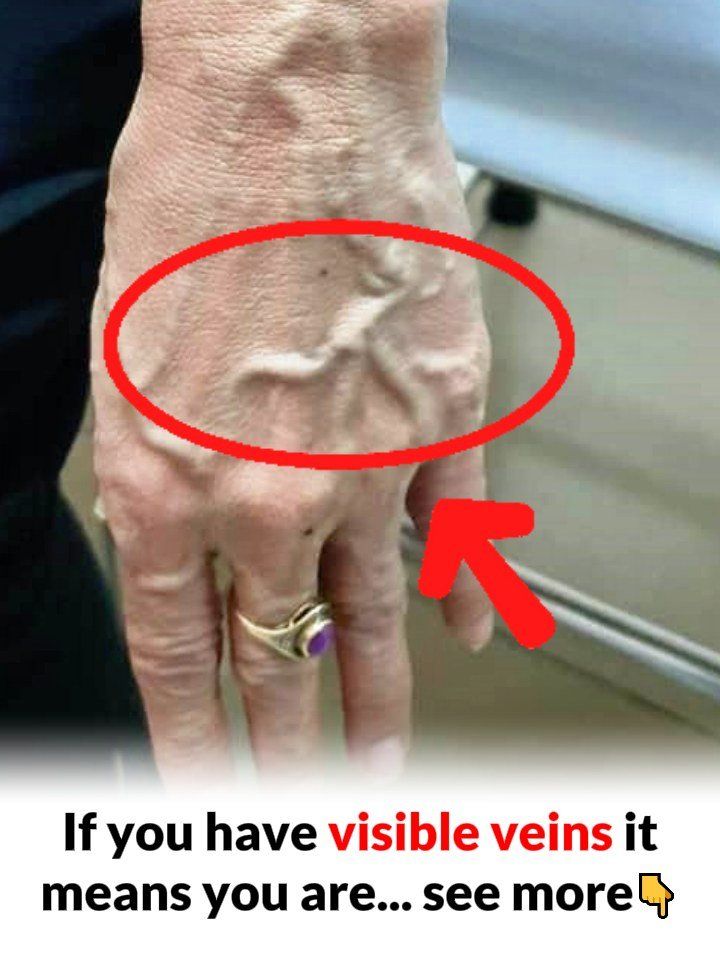
Visible Veins Explained! Normal Causes, Health Risks, and When to Worry
Most people barely notice their veins until one day they seem darker, thicker, or more pronounced than before. That moment can trigger curiosity, aesthetic concerns, or genuine worry about health. While visible veins are often harmless, they are not meaningless. Changes in how veins appear can reflect shifts in body composition, circulation, aging, hormones, or daily habits. Understanding the difference between normal variation and warning signs can provide reassurance and help protect long term health.
Veins play a vital role by carrying blood back to the heart. Many veins run close to the surface of the skin, which makes them sensitive to changes inside and outside the body. Factors such as hydration, temperature, physical activity, body fat levels, and even posture can influence how noticeable they appear. In many cases, visible veins are simply a normal response to these influences rather than a sign of disease.
People with lower body fat often have more visible veins because there is less tissue between the skin and the blood vessels. This is why athletes and individuals who exercise regularly may notice prominent veins, especially in the arms, legs, or hands. Exercise increases blood flow to working muscles, temporarily enlarging veins so they can carry more blood efficiently. Heat has a similar effect, as veins widen to help the body release excess warmth.
Aging also plays a major role in vein visibility. Over time, the skin naturally becomes thinner and loses collagen and elasticity. As this supportive structure weakens, veins beneath the skin become easier to see. Genetics and skin tone further influence this process. Some people inherit thinner skin or vein patterns that are visible from a young age, regardless of overall health.
While many vein changes are cosmetic, others deserve closer attention. Sudden or progressive changes in vein size, shape, or color can point to circulation problems. Chronic venous insufficiency develops when vein valves weaken and blood struggles to flow upward, causing pooling in the legs. This can lead to swelling, heaviness, skin changes, and bulging veins over time.
Varicose veins are one of the most common visible vein conditions. They appear twisted, raised, and often dark blue or purple. Genetics strongly influence their development, but prolonged standing, pregnancy, weight gain, and reduced mobility can increase risk. Some people experience aching, itching, or discomfort, especially after long periods on their feet.
More serious vein related conditions require prompt medical attention. Superficial thrombophlebitis involves a clot in a surface vein and can cause redness, warmth, and tenderness along the vein. Deep vein thrombosis is far more dangerous and occurs when a clot forms in a deep vein, usually in the leg. Symptoms may include swelling, pain, warmth, or skin discoloration. Because clots can travel to the lungs, any suspicion of deep vein thrombosis requires immediate medical care.
Not all sudden vein changes are dangerous. Temporary triggers such as intense workouts, dehydration, hormonal fluctuations, rapid weight loss, or even travel can make veins appear more prominent for a short time. The key is observing whether the change is persistent, unexplained, or accompanied by pain or swelling.
For those concerned mainly about appearance, simple lifestyle habits can help. Regular movement supports circulation, maintaining a healthy weight reduces pressure on veins, and staying well hydrated keeps blood flowing smoothly. Compression stockings can improve comfort and appearance, especially for people who stand or sit for long periods. Medical treatments such as sclerotherapy or laser therapy are available for those seeking more permanent cosmetic solutions.
Ultimately, visible veins are usually a normal part of how the body adapts and ages. Still, sudden or uncomfortable changes should never be ignored. Paying attention to your body and seeking medical advice when something feels unusual is the most reliable way to balance peace of mind with good health.