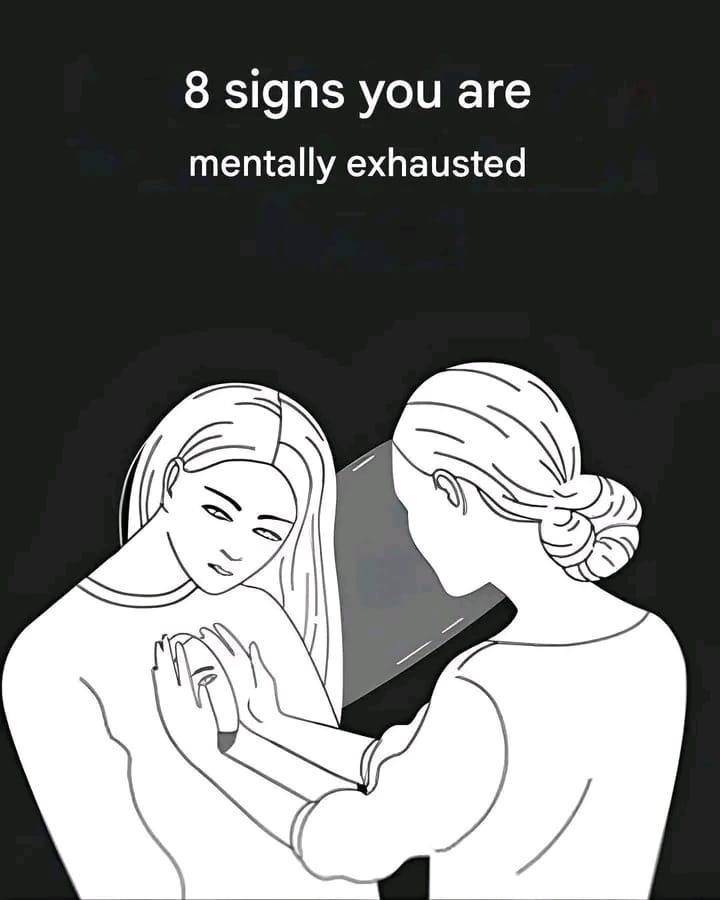
8 Signs Your Body and Mind Are Exhausted
In a world that values efficiency and speed, it’s easy to miss the subtle but important signals our bodies send us. But when fatigue becomes chronic, our bodies and minds finally say “stop.” What if these physical and emotional symptoms were signals we should take seriously?
Here are 8 common signals to recognize to stay balanced.
-
You’re getting upset about nothing.

If you become easily irritated, or if minor annoyances escalate unexpectedly, this may indicate mental overload. When the emotional burden becomes too great, it’s difficult to step back and put things in perspective.
The right approach: take real breaks, set clear boundaries, and engage in activities that calm you.
-
What once made you happy no longer affects you.
If you lose interest in things that previously brought you joy, it may indicate inner exhaustion or a decline in vitality.
The right approach: rediscover small, everyday pleasures: coffee on the terrace, a walk in the sun, your favorite song. Savor these moments without self-judgment.
-
You feel constant tension

When anxiety becomes chronic, the body remains on high alert, even for no apparent reason. This hypervigilance is costly to the nervous system.
The right approach: consciously slow down some tasks, breathe deeply, try cardiac coherence or sophrology.
-
Your nights no longer give you rest.

Sleep disturbances—difficulty falling asleep, frequent waking, or sleep that doesn’t restore the body— are never harmless. They signal an imbalance between mental workload and recovery.
The right approach: Establish a gentle bedtime ritual, avoid screens, and try herbal teas or guided meditation.
-
You become hypersensitive.
Does a simple comment upset you? Your emotional threshold may be lowered. This increased reactivity may reflect emotional overload.
The right reaction: find an outlet: talk, write, draw… Expressing what you feel eases the inner burden.
-
Your body is showing signs of anxiety.
Headaches, muscle tension, digestive problems… The body can become a silent spokesperson for stress.
The best solution is to consult a doctor to rule out a physical cause, but emotional causes should not be ruled out. Further diagnostics may be beneficial.
-
You often feel like crying for no apparent reason.
Frequent tears can be a sign of accumulated emotional fatigue . Your body is releasing what you’ve been suppressing for too long.
The right approach: surround yourself with people you trust, share your feelings without shame, and let it go.
-
You feel empty or generally indifferent
A feeling of detachment from everything—work, loved ones, interests—is a strong warning sign. This form of apathy can indicate profound exhaustion and even the beginnings of depression.
The right thing to do: Don’t isolate yourself. Talk to an expert, even if it’s just an initial consultation. There are solutions, and most importantly, you’re not alone.
Listening to your body is already a step towards feeling better.

Fatigue isn’t weakness. It’s a defense mechanism . Recognizing its signals demonstrates self-awareness and self-respect. Sometimes, regaining control simply means knowing when to stop.