A Hospice Nurse Shares the One Reflection She Hears Again and Again at Life’s Final Chapter
After years of working closely with people in their final stages of life, one hospice nurse has noticed a powerful pattern.
It is not about money. It is not about possessions. And it is not something people usually think about when they are healthy and busy with daily responsibilities.
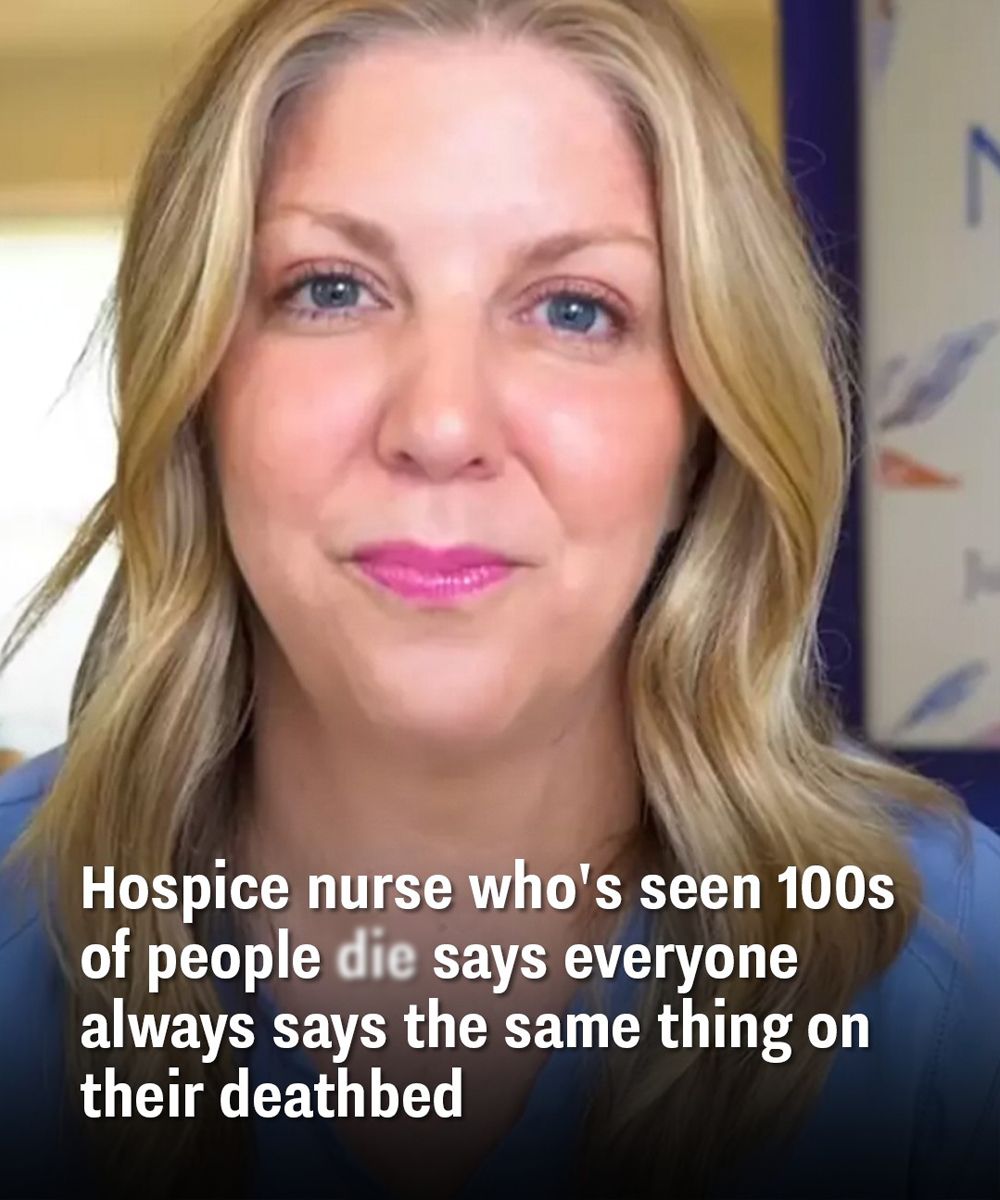
Julie McFadden has spent her career caring for individuals during the most vulnerable period of their lives. Through these deeply human moments, she has gained insights that many people never encounter until much later, if at all.
Her work has reached far beyond hospital rooms. Through social media, speaking engagements, and writing, she has helped millions better understand what truly matters when life slows down and priorities become clear.
What she shares is not meant to frighten. It is meant to gently remind.
What People Reflect On Near the End of Life
When people reach the final chapter of their lives, conversations often change.
Daily concerns fade into the background. Schedules, deadlines, and long-term plans lose their urgency. Instead, people begin to look backward, reflecting on how they lived and what they valued most.
According to Julie, many individuals become remarkably honest during this time. They speak openly, not to complain, but to make sense of their experiences.
One regret comes up often: spending too much time working.
Julie acknowledges that this is a complicated reality. Most people work because they must. Responsibilities, family needs, and financial pressures leave little room for alternatives. Even so, she says many wish they had found more balance, more moments of presence, and more time for relationships that mattered deeply to them.
But there is another reflection she hears even more frequently.
And it often surprises people.
The Reflection People Don’t Expect
Julie explains that the most common sentiment she hears is not about careers or missed opportunities.
It is much simpler.
Many people say they wish they had appreciated their health while they still had it.
When health feels stable, it is easy to overlook. Being able to breathe easily, walk without effort, sleep comfortably, or enjoy a meal without discomfort can feel ordinary. These abilities fade into the background of daily life.
It is only when health changes that its true value becomes clear.
Julie has seen this realization unfold countless times. People express a longing for the days when their bodies felt strong and reliable. They speak of moments they once rushed through, now understood as gifts.
Lessons Julie Has Applied to Her Own Life
Witnessing these reflections has changed how Julie lives her own life.
She has shared that she is more intentional about recognizing what she might otherwise take for granted. Small moments carry more meaning now.
At the end of each day, she keeps a simple gratitude practice. It is not elaborate or time-consuming. She writes down ordinary things she is thankful for.
Being able to walk freely.
Breathing without effort.
Feeling sunlight on her skin.
These are not dramatic milestones, but they are foundational to daily comfort and independence.
By noticing these moments regularly, Julie says she stays grounded in the present instead of assuming that tomorrow will always feel the same as today.
Habits She Personally Avoids
Through her years of experience, Julie has also become more cautious about certain everyday habits.
She has spoken openly about choices she avoids because she has seen how they can affect long-term well-being.
Among them are daily alcohol use, smoking or vaping, and high-risk recreational activities. Her perspective comes not from judgment, but from observation.
She has cared for many people whose health challenges could have been reduced or delayed with different habits earlier in life. These experiences have shaped how she approaches her own health with greater care and awareness.
Her message is not about perfection. It is about prevention where possible and mindfulness where change is within reach.
Why These Reflections Matter at Any Age
While Julie’s work focuses on people near the end of life, the lessons she shares are meant for everyone.
You do not need to be facing serious illness to pause and reflect. In fact, the earlier these insights are considered, the more meaningful they can be.
Appreciating health does not require dramatic lifestyle changes. It begins with awareness.
Taking a moment to notice how your body feels today.
Resting when needed.
Making choices that support long-term comfort and independence.
These small actions, repeated over time, shape quality of life more than most people realize.
A Gentle Reminder, Not a Warning
Julie does not share these stories to create fear.
Her goal is the opposite. She hopes people will live more fully by recognizing what already works well in their lives.
Health, when present, is quiet. It does not demand attention. But it supports everything else we value.
By learning from those who have reflected deeply on their lives, Julie believes we can make choices rooted in gratitude rather than regret.
Sometimes, the most meaningful lessons come not from what people wish they had done differently, but from what they wish they had noticed sooner.