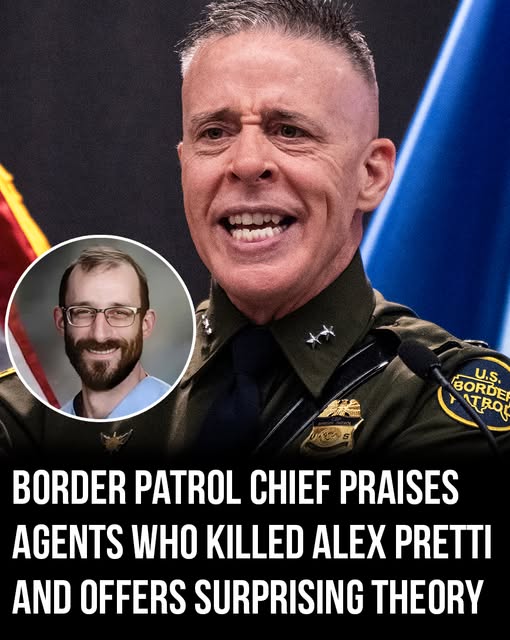
Border Patrol chief praises agents in the fatal Pretti shooting and offers a startling explanation.
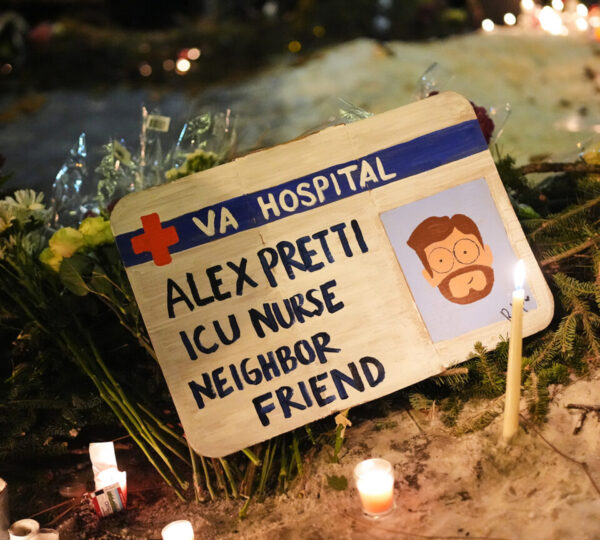
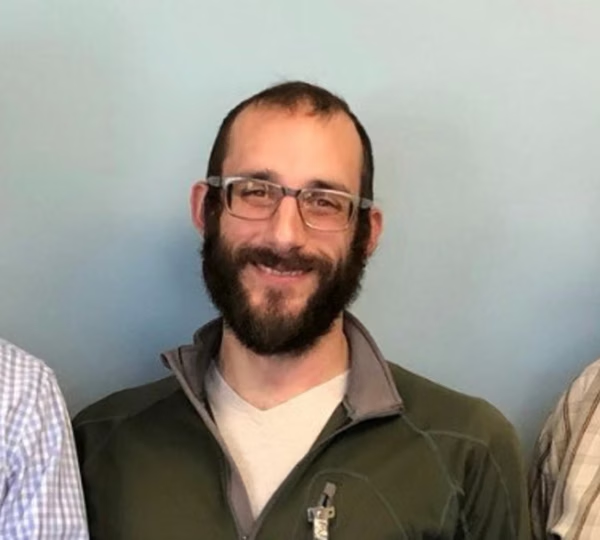
On January 24, 2026, 37‑year‑old Alex Pretti, an intensive care nurse from Minnesota, was shot and killed by a Border Patrol agent during a federal immigration enforcement operation in Minneapolis.
The incident — which occurred amid ongoing protests and heightened tensions over federal law enforcement actions — quickly drew national attention and sparked widespread debate over the use of force, government narratives, and public trust.
In the days that followed, Border Patrol Commander Gregory Bovino became a central figure in defending the actions of his agents. His comments, made during interviews and press appearances, have drawn both support and criticism, reflecting the broader controversy over the circumstances of Pretti’s death.
Who Is Gregory Bovino?
Gregory Bovino serves as a senior commander within U.S. Customs and Border Protection (CBP), the umbrella agency that includes the Border Patrol.
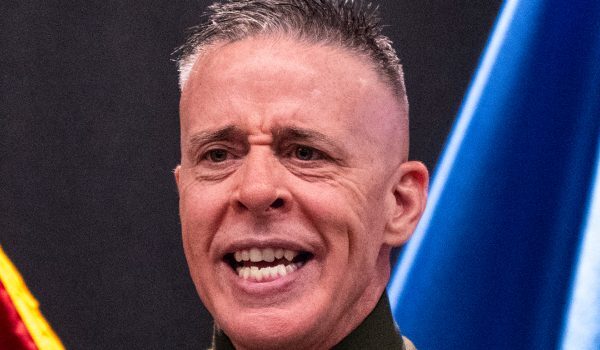
He was appointed by the Department of Homeland Security (DHS) to oversee aggressive immigration enforcement operations in domestic cities, including Chicago, Los Angeles, and most recently Minneapolis — part of what the federal government describes as a nationwide surge to apprehend individuals believed to be in the United States unlawfully.
Bovino has become a highly public spokesperson for the Trump administration’s immigration enforcement efforts, frequently appearing in uniform and defending operations that have drawn intense scrutiny.
His leadership style and public statements have made him a polarizing figure, beloved by supporters of aggressive immigration enforcement and criticized by civil liberties advocates.
The Shooting and Initial Official Narrative
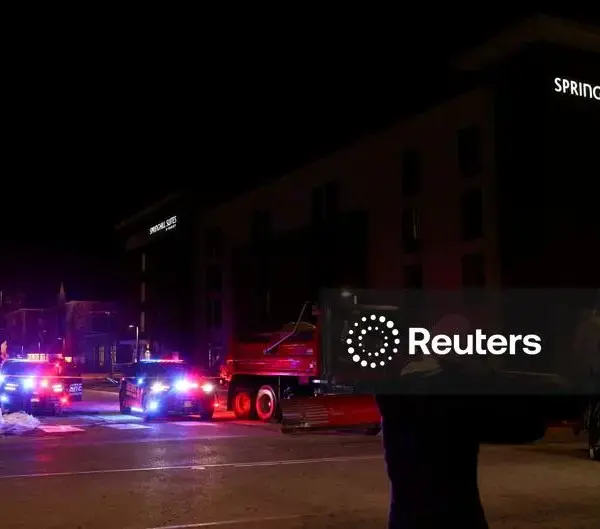
According to statements from the Department of Homeland Security and Border Patrol leadership, federal agents encountered Pretti during an enforcement operation in the Whittier neighborhood of Minneapolis.
DHS officials initially described the encounter as dangerous, claiming Pretti approached officers with a firearm and resisted law enforcement efforts, which justified the use of lethal force.
Pretti was pronounced dead at the scene after being shot multiple times. He was a U.S. citizen with no serious criminal record, legally carrying a firearm under Minnesota law. Local police confirmed he had no outstanding warrants and was not wanted for violent conduct prior to the incident.
Gregory Bovino’s Public Defense of the Agents
In the days after the shooting, Commander Bovino made several public remarks defending the agents involved, most notably in an interview with CNN’s Dana Bash on State of the Union and in press briefings. His comments have been widely reported and heavily debated:
1. Claiming Agents Were “Victims”
Bovino repeatedly described the Border Patrol agents as the real victims of the encounter. He stated that Pretti “put himself in that situation” and framed the agents’ actions as defensive, suggesting they prevented harm to themselves despite conflicting video evidence.
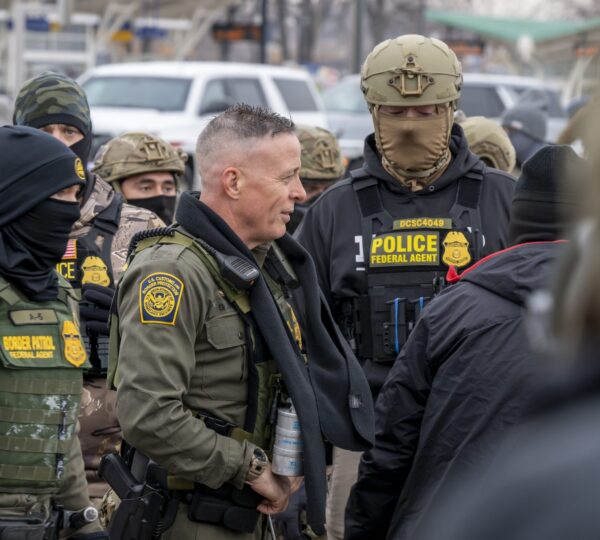
On CNN, Bovino said: “The victims are the Border Patrol agents. I’m not blaming the Border Patrol agents. The suspect put himself in that situation.”
This statement drew immediate criticism from journalists, legal experts, and civil liberties advocates who noted that labeling Pretti a “suspect” and a threat before an investigation was complete suggested premature judgment and responsibility on his part.
2. Defense of Agents’ Training and Tactics
Bovino also lauded the training of federal agents, asserting that their actions “prevented any specific shootings of law enforcement” and praising them for their response in a chaotic scene.
Such praise was echoed in administration statements, positioning the encounter as one in which federal officers acted professionally under pressure.
He emphasized that agents made split‑second decisions, implying that had Pretti acted violently, the outcome could have been worse.
3. Reluctance to Clarify Key Questions
When pressed about specific aspects of the incident — such as whether Pretti was actually brandishing his firearm or whether he was disarmed prior to being shot — Bovino declined to confirm these details.
Instead, he repeatedly said that an ongoing investigation would determine the facts, and warned against “freeze‑frame adjudication” based on limited video stills.
For example, in the CNN interview, he stated that neither he nor the interviewer could definitively know whether Pretti was armed and that investigators would need to review all evidence to paint a full picture.
While Bovino defended the agents, multiple videos and eyewitness statements from the scene appear to contradict parts of the official narrative:
Bystander footage widely shared online showed Pretti holding a cellphone, not a weapon, in the moments before federal agents approached him.
Other video analysis suggested that an agent appeared to remove Pretti’s firearm from his waistband before shots were fired, undermining the claim that he brandished it at officers.
Witnesses on the ground reported that Pretti was attempting to help a woman after she had been shoved and pepper‑sprayed by agents, not attacking officers.
These inconsistencies have fueled skepticism about the government’s account and intensified calls for independent review.
Political and Public Backlash
Bovino’s comments defending the agents have generated strong reactions across the political spectrum:
Widespread Public Criticism
Social media and public forums were flooded with critiques of Bovino’s framing of Pretti as a “suspect” and of agents as victims. Critics argue that his statements contradict video evidence and undermine the objectivity expected from a law enforcement leader before an investigation concludes.
Some commentators called his remarks “premature” and “defensive,” pointing out that describing Pretti’s intent without transparent evidence can erode public trust. Others asserted that even legally armed citizens have constitutional rights that must be respected, including the right to film law enforcement in public.
Political Leaders’ Responses
The controversy over Pretti’s death quickly drew reactions from lawmakers and public figures:
Former presidents and national leaders condemned the shooting and called for thorough investigations, emphasizing accountability and respect for civil liberties.
Governors and state officials criticized federal oversight and demanded cooperation with local investigations, calling federal narratives misleading.
Meanwhile, some Republicans defended Border Patrol’s actions, echoing Bovino’s emphasis on officer safety, though not all backed his characterization of events.
The debate has underscored broader divisions over federal immigration enforcement policy, civil rights, and the role of armed citizens in public demonstrations.
Federal Investigation and Evidence Handling
In response to public outcry and legal challenges, a federal judge issued an order restricting federal law enforcement from destroying or altering evidence related to the Pretti shooting.
This includes preserving body‑camera footage, officer statements, and physical evidence from the scene, ensuring that ongoing inquiries can be conducted thoroughly and transparently.
Minnesota state officials have also sought greater access to evidence and hung a separate state investigation alongside the federal process — a rare and high‑profile jurisdictional clash that highlights trust issues between local authorities and federal agencies.
Bovino himself has stated that investigators, not media or public opinion, will ultimately determine what happened — a position echoed in several official remarks.
However, his earlier defensive messaging has led many to question whether federal enforcement leadership is approaching the investigation with sufficient neutrality.
President Trump’s Involvement
Former President Donald Trump, whose immigration policies and federal enforcement directives are central to the operations in Minnesota, also weighed in. In public statements, Trump said the situation was under review and expressed disapproval of shootings generally — but also emphasized concerns about armed individuals in protest situations, implicitly supporting law enforcement’s right to protect themselves and others.
Trump announced he would send Tom Homan, a senior immigration official, to Minnesota to oversee the response and coordinate communication with federal law enforcement, further cementing federal involvement in the controversy.
Demotion and Shifts in Leadership
In the aftermath of the incident and the backlash over his handling of the narrative, reports indicate that Gregory Bovino was removed from his role as “commander‑at‑large” of the Border Patrol and is expected to return to a lesser post or retire, as federal authorities reassess leadership roles.
This shift reflects how politically sensitive and impactful the shooting has become, with leadership changes seen as a response to public pressure and ongoing criticism.
Why This Matters: Law Enforcement, Civil Rights, and Public Trust
The debate over Bovino’s statements and the Pretti shooting encapsulates several broader issues facing the United States:
Use of deadly force: How and when federal agents are justified in using lethal force is a subject of intense legal scrutiny.
Public narratives vs. evidence: Official statements made before investigations are concluded can shape public perception and either build or erode trust.
Rights of citizens: The case has raised questions about constitutional protections, including the right to film law enforcement and lawfully carry a firearm.
Federal vs. local oversight: Conflicts between federal agencies and state/local authorities highlight jurisdictional and procedural tensions.
The controversy has amplified calls for independent investigations, greater transparency, and clearer protocols governing federal operations within U.S. cities.
Conclusion
Border Patrol Commander Gregory Bovino’s defense of agents involved in the fatal shooting of Alex Pretti has drawn intense scrutiny and debate.
His public remarks — praising agents, framing them as victims, and asserting that Pretti “injected himself” into a dangerous situation — have been challenged by eyewitness video, civil liberties advocates, and political leaders from across the spectrum.
As investigations continue, the Pretti case remains emblematic of deeper national conversations about law enforcement transparency, civil rights, and the balance between security and individual freedoms.
Whether the official narratives hold up under scrutiny will be determined by evidence, legal review, and public accountability — all of which continue to evolve in the wake of this tragic event.