Dead Butt Syndrome Is Real
Dead Butt Syndrome: Understanding the Condition and Finding Relief
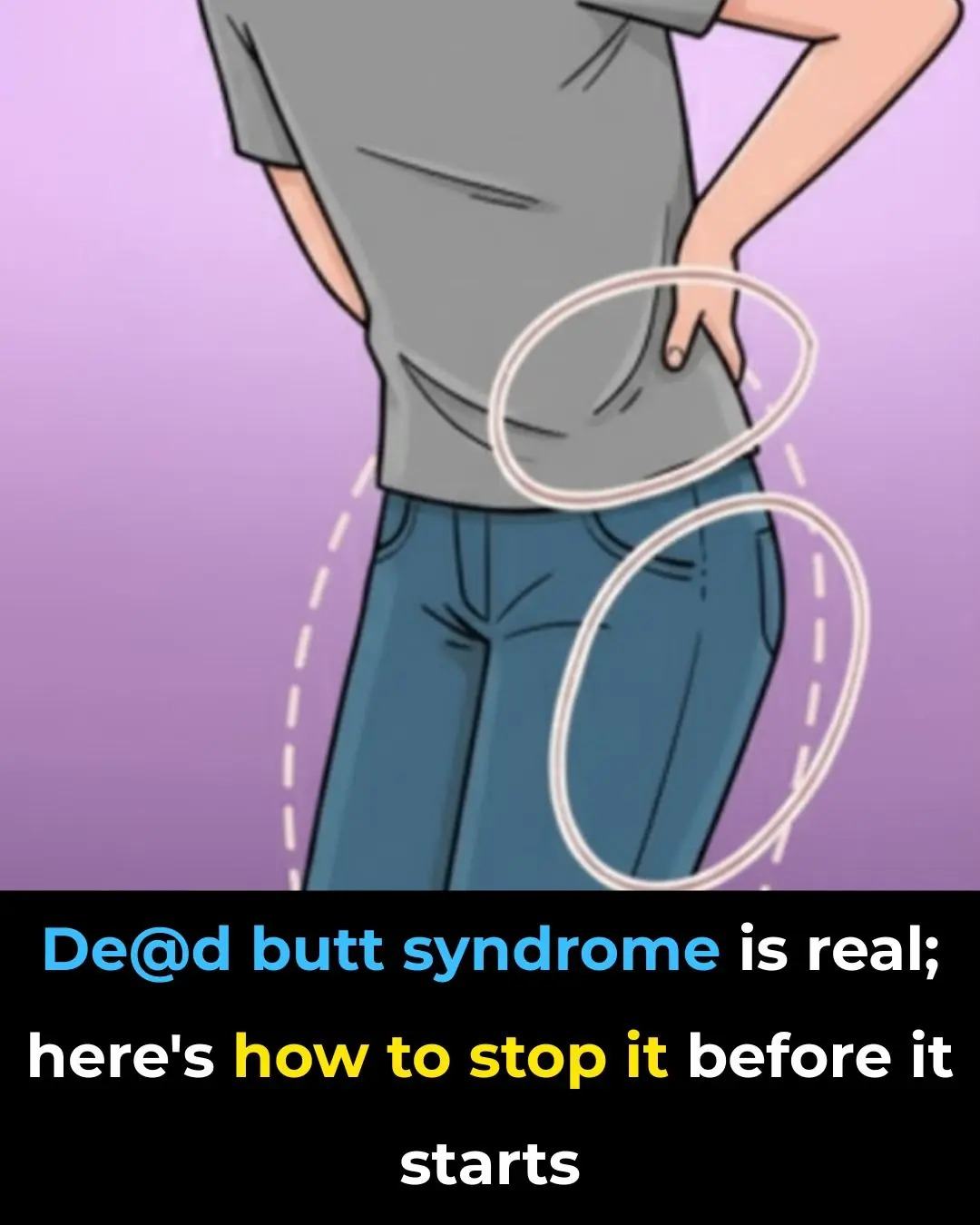
Dead Butt Syndrome (DBS) is a condition that affects individuals who spend extended periods sitting, often due to work or lifestyle habits. It is characterized by weakened gluteal muscles, leading to discomfort, pain, and mobility issues.
Causes of Dead Butt Syndrome
– Prolonged Sitting: Sitting for extended periods can lead to muscle atrophy and weakness in the glutes.
– Lack of Physical Activity: Insufficient exercise and physical activity can contribute to muscle weakness and DBS.
– Poor Posture: Poor posture can put strain on the glutes and contribute to DBS.
Symptoms of Dead Butt Syndrome
– Gluteal Weakness: Weakness or numbness in the buttocks
– Pain: Pain in the buttocks, hips, or lower back
– Mobility Issues: Difficulty walking, running, or engaging in physical activities
Prevention and Treatment
– Regular Exercise: Engage in regular physical activity, including glute-strengthening exercises
– Stretching and Foam Rolling: Regular stretching and foam rolling can help improve flexibility and reduce muscle tension
– Good Posture: Maintain good posture to reduce strain on the glutes
– Take Breaks: Take regular breaks to stand up, stretch, and move around
Exercises to Strengthen the Glutes
– Squats: Strengthens the glutes and improves overall lower body strength
– Lunges: Targets the glutes and improves balance and coordination
– Glute Bridges: Isolates the glutes and helps improve strength and activation
Conclusion
Dead Butt Syndrome is a real condition that can have significant impacts on daily life. By understanding the causes, symptoms, and treatment options, individuals can take steps to prevent and alleviate DBS. Regular exercise, stretching, and good posture can help maintain strong, healthy glutes.