How to Tell If an Egg Has Gone Bad—3 Foolproof Tests (Plus What “Expired” Really Means)
Knowing whether an egg is still safe to eat can save you from an unpleasant meal and an even worse stomachache. Fortunately, you do not need special equipment or complicated tests. With a few simple checks, you can confidently decide whether that egg belongs in your pan or in the trash.
The Float Test and Why It Works
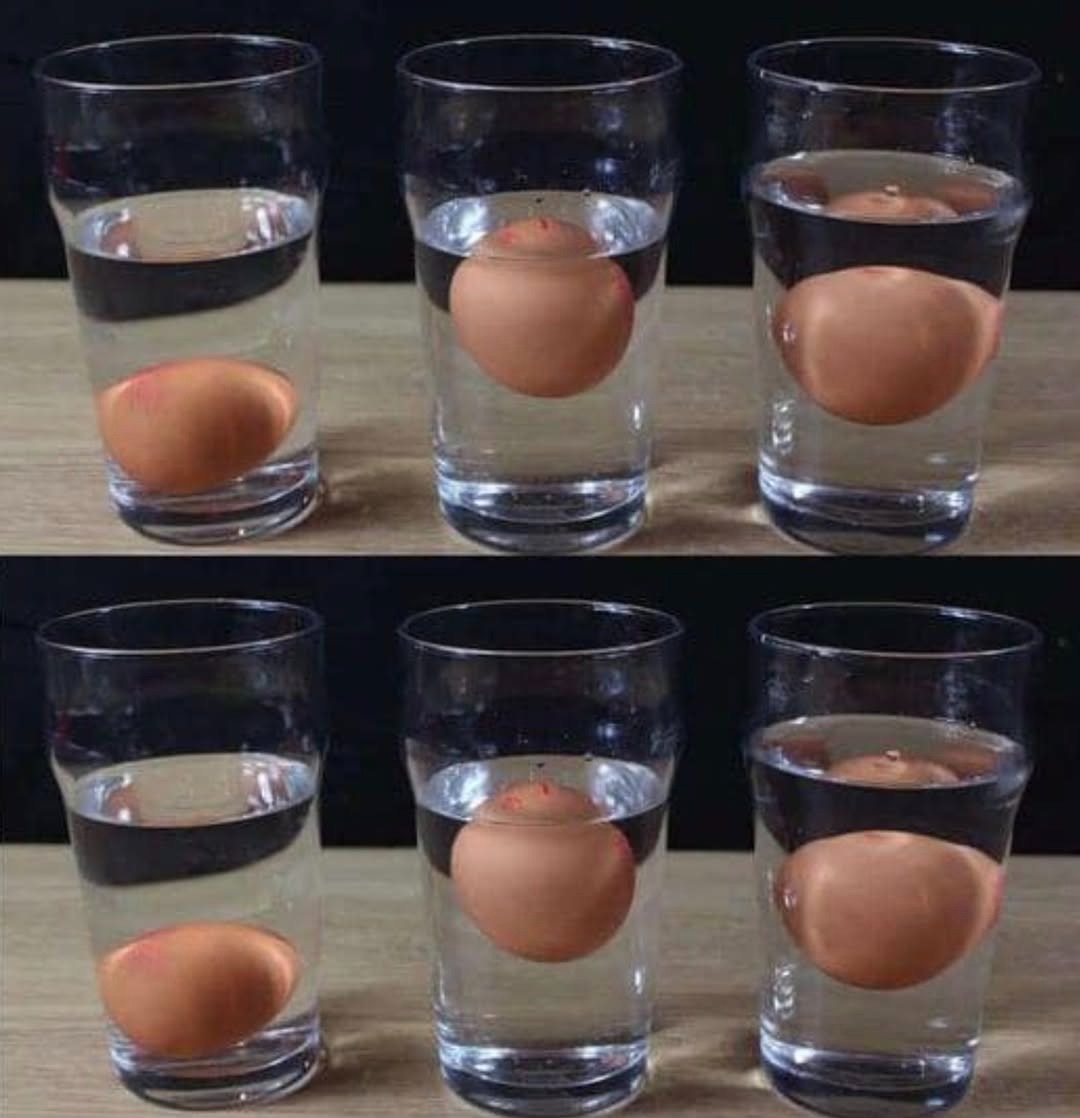
As eggs age, moisture and carbon dioxide slowly escape through tiny pores in the shell. This process enlarges the air pocket inside the egg. The larger the air pocket becomes, the more buoyant the egg is in water. When you place an egg in a bowl of cold water, a fresh egg will sink and lie flat. A slightly older egg may stand upright but still remain on the bottom. If the egg floats to the surface, the air pocket has grown too large and the egg is no longer safe to eat. Excess air also increases the risk of bacterial growth inside the shell.
The Sniff Test and Why Your Nose Is Reliable
If the egg passes the float test, the next step is the sniff test. This is the most reliable method once the shell has been cracked. Fresh eggs have little to no smell. A spoiled egg produces a strong and unmistakable odor that may resemble sulfur, ammonia, or sour milk. Even a faint unpleasant smell is enough reason to discard the egg. Cooking does not destroy all harmful bacteria, and food poisoning is never worth the risk. Always perform this test away from your mixing bowl so one bad egg does not ruin the entire recipe.
The Visual and Texture Check
After cracking the egg into a small dish, take a moment to examine it closely. A healthy egg will have a bright yellow or orange yolk that stands tall and holds its shape. The white should appear thick and gel like around the yolk, with a thinner layer spreading outward.
Certain warning signs indicate contamination. Egg whites that appear pink, green, or iridescent are unsafe and should be discarded immediately. If the whites are watery and spread out thinly, the egg is old but not necessarily spoiled. It is generally acceptable for baking where structure matters less. Blood spots or meat spots may look alarming, but they are harmless and can simply be removed with a spoon.
Understanding Dates on Egg Cartons
Many people throw away eggs too early because they misunderstand the printed dates. Eggs are usually safe for three to five weeks after the pack date when properly refrigerated. The pack date is a three digit number that represents the day of the year the eggs were cleaned and packaged. The sell by date is meant for store inventory, not for consumer safety. When eggs are stored in the main compartment of the refrigerator at or below four degrees Celsius, they remain safe well beyond the printed date.
Common Egg Safety Questions
Many people ask whether eggs can be eaten after the expiration date. The answer is yes, as long as they pass the float and sniff tests. Most eggs labeled expired are still safe for weeks.
Hard boiled eggs spoil faster because boiling removes the shell’s protective coating. Both peeled and unpeeled hard boiled eggs should be consumed within seven days.
The color of the shell does not affect safety or freshness. Brown and white eggs differ only because of the breed of chicken.
If an egg cracks in the carton, it should be used within two days and cooked thoroughly. Cracks allow bacteria to enter the shell.
Eggs can be frozen, but never in the shell. Crack them into a bowl, beat lightly, and freeze in measured portions. Frozen eggs keep well for up to one year.
When in Doubt
Eggs are affordable. Your health is not. If an egg floats, smells strange, or looks unusual, throw it away without hesitation. Breakfast should bring comfort and joy, not concern. With these simple steps, you can crack your next egg with confidence and peace of mind.