Itchy head? Here are the main causes
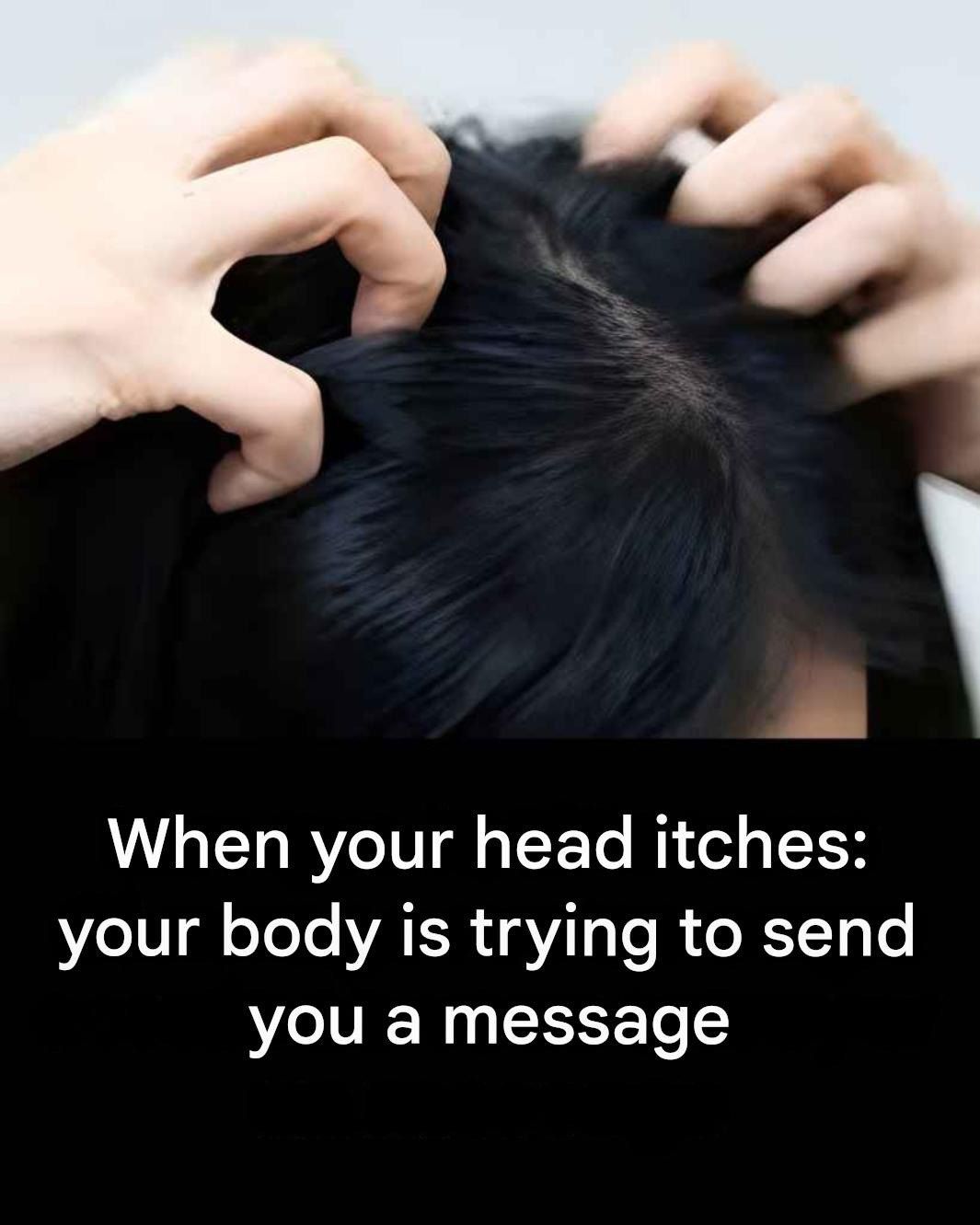
Do you know that annoying itchy feeling that seems to come out of nowhere and intensifies throughout the day? Often, it means your scalp is trying to tell you something. Stress, sebum imbalance, harsh hair products… There are many causes, but rest assured, there are solutions. In this article, we’ll explore the various reasons that cause this itching and offer tips to relieve and prevent this discomfort. Ready to put an end to this problem?
The main causes of an itchy scalp:
Dandruff and seborrheic dermatitis: the prime suspects
Dandruff, those unsightly little white flakes, often appears due to excess sebum or harsh products. It causes bothersome itching, and the more you scratch, the more irritated your scalp becomes.
Seborrheic dermatitis, on the other hand, goes further: it’s a chronic inflammation that causes red patches with thick, yellowish scales. In addition to the scalp, it can also affect the eyebrows, the backs of the ears, or even the sides of the nose.
How to treat them?
Use specific shampoos containing ketoconazole, salicylic acid, or zinc pyrithione.
If symptoms persist for more than two weeks, consult a dermatologist for appropriate treatment.
Psoriasis: when the body attacks itself.
Scalp psoriasis is an autoimmune disease in which the body produces thick, red, scaly plaques. These plaques are itchy, and scratching them can cause bleeding.
Effective solutions:
Apply corticosteroid lotions and use medicated shampoos.
In severe cases, oral medication may be necessary.
Learn to manage your stress, as it often worsens symptoms.
Pityriasis: dry, scaly patches
Pityriasis rosea, less well-known, can also affect the scalp. It manifests as a large dry patch followed by several smaller ones.
How to relieve the pain?
Moisturize with soothing lotions
Avoid scratching to prevent further skin irritation.
Pityriasis usually clears up on its own within a few weeks.
Fungal infections: when redness persists.
Fungal infections, such as ringworm (tinea capitis), cause itching accompanied by redness, scaling, and sometimes localized hair loss.
What to do?
Consult a dermatologist for an accurate diagnosis.
Follow an oral antifungal treatment and use specific shampoos.
Continue treatment even if symptoms improve to prevent recurrence.
Reactions to chemicals: beware of hair dyes.
Hair coloring can trigger allergic reactions: itching, redness, burning, or even blisters. One common culprit is paraphenylenediamine (PPD), a common ingredient in hair dyes.
How to avoid reactions?
Always do an allergy test before applying.
Opt for natural or ammonia-free dyes if you have a sensitive scalp.
Sunburn: the scalp is not spared.
The sun can burn your scalp, especially if you have fine hair or are balding. Burns cause itching, redness, and sometimes even flaking.
Protect yourself!
Wear a hat or cap in direct sunlight.
Use a scalp sunscreen spray if necessary.
Moisturize with aloe vera if you get sunburned.
Stress and anxiety: nervous itching.
Stress can trigger itching by releasing inflammatory substances. This is known as emotional itching.
What can I do to calm down?
Practice relaxation techniques: meditation, yoga, deep breathing.
Use gentle, moisturizing products for your scalp.
Consult a professional if the itching becomes unbearable.
Lice: still a problem.
Even adults can catch lice, especially through contact with children. The itching is particularly intense behind the ears and on the nape of the neck.
The effective treatment:
Use specific anti-lice shampoos and use a fine-toothed comb to remove nits.
Disinfect bedding and clothing to prevent re-infestation.
Practical tips to relieve itching:
Use mild shampoos and avoid very hot water.
Do not scratch with your nails to avoid damaging the skin.
Moisturize your scalp regularly, especially during dry periods.
Eat a balanced diet to support healthy hair.
When to consult a professional?
If itching persists or is accompanied by redness, patches, thick scales, or hair loss, consult a dermatologist. Identifying the exact cause is essential for appropriate treatment.
An itchy scalp can be uncomfortable and even debilitating. While it can have many causes, solutions exist for every case. Don’t suffer from this problem: an accurate diagnosis and appropriate treatment will help you regain comfort and peace of mind.