Meaning Behind the Tradition of Coins on Gravestones
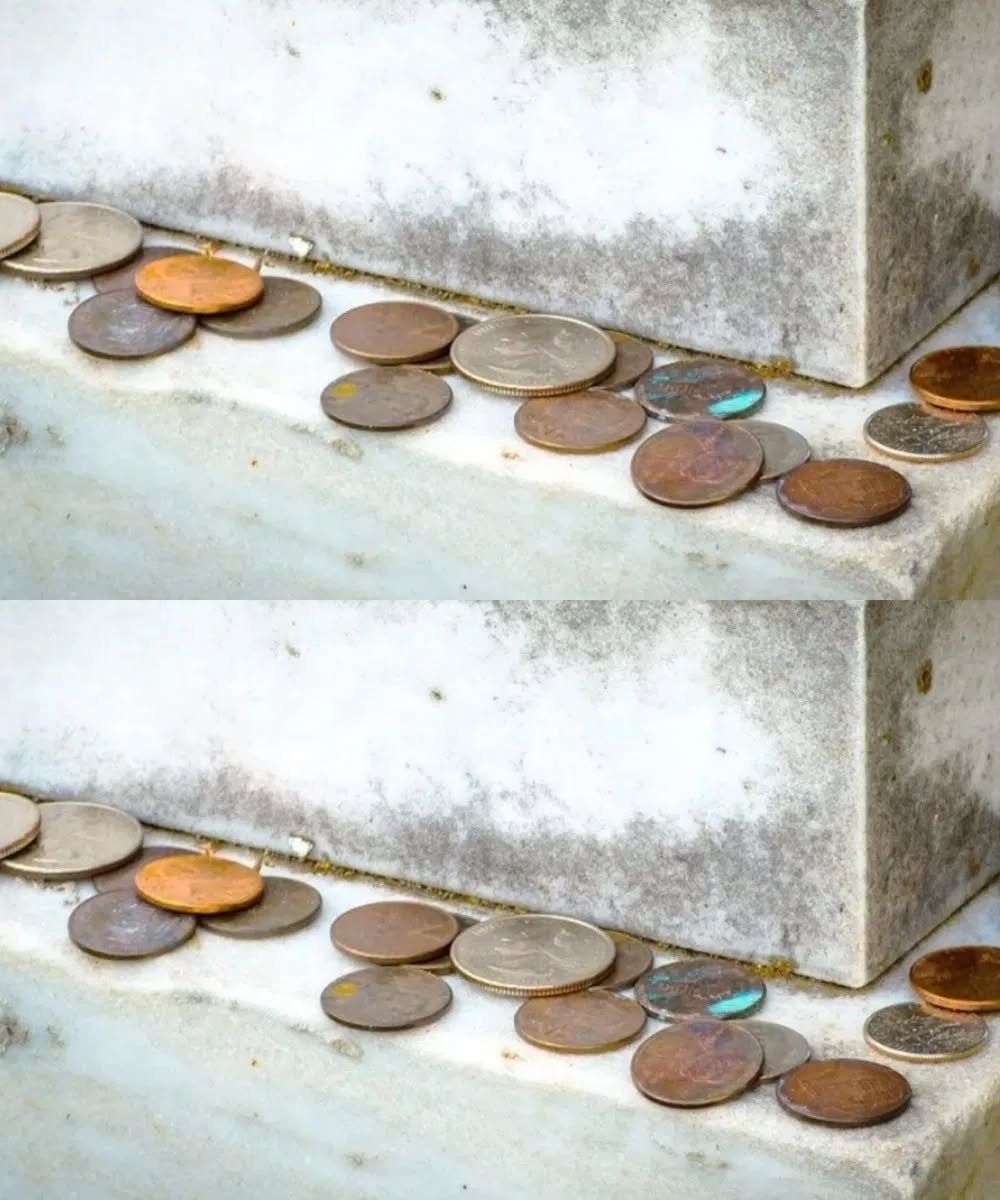
Have you ever walked through a cemetery and noticed a small coin resting on top of a gravestone? At first glance, it may appear to be a random object, something accidentally dropped or placed without thought. In reality, this quiet gesture carries a powerful message rooted in honor, remembrance, and the deep bonds formed through military service. These coins speak for those who leave them behind, telling a story of connection, gratitude, and respect for the life of the person who rests beneath the stone.
The tradition of placing coins on military headstones dates back many decades and is most strongly associated with soldiers who served in the armed forces. Each coin carries its own meaning depending on the type of relationship shared between the visitor and the fallen service member. A penny is the most common and simplest symbol. It tells the family that someone visited the grave and wanted the soldier to know they were remembered. It is a small sign that the person’s life and service were not forgotten.
A nickel holds a deeper significance. It means that the visitor attended boot camp with the deceased. The two once stood side by side at the beginning of their military journey, enduring the same discipline, challenges, and training that shaped their future. Leaving a nickel quietly communicates that shared beginning and the unbreakable connection formed during that time.
A dime tells an even more personal story. It signifies that the visitor and the fallen soldier served together in active duty. They faced danger, long nights, and the weight of responsibility as part of the same unit. The dime honors not only friendship but the trust and loyalty that develop when lives depend on one another.
The most meaningful of all is the quarter. A quarter placed on a gravestone means the visitor was present when the soldier died. It carries the weight of final moments, of standing witness to the ultimate sacrifice. It is a powerful expression of remembrance that goes beyond words.
This tradition became especially meaningful during and after the Vietnam War. At a time when opinions about the war divided families and communities, the act of leaving a coin offered a private and respectful way for veterans and loved ones to honor the fallen without fear of political conflict. Over time, the custom spread and became a quiet language of respect recognized across military cemeteries.
For families who visit their loved ones’ graves, these coins offer comfort. They provide reassurance that others still remember the service member and that the bond of military brotherhood and sisterhood does not end with death. Many families choose to leave the coins in place or collect them later and donate them to veterans organizations as a way of continuing the cycle of honor.
What makes this tradition so powerful is its simplicity. No speeches, no ceremonies, no crowds. Just a small piece of metal resting on stone, carrying a message that crosses generations. In a world that often moves too fast to pause, these coins invite us to slow down, reflect, and recognize the real cost of freedom.
So the next time you walk through a cemetery and notice a single coin on a gravestone, know that it is not there by accident. It is a quiet promise that someone came, remembered, and honored a life of service. It is proof that the sacrifices made in uniform are never truly forgotten.