Perfect Baked Potatoes: A Simple Guide with Topping Ideas
Baked potatoes have long held a special place as a comfort food staple because they are simple, dependable, and deeply satisfying. With their crisp outer skin and soft, fluffy interior, they strike a near perfect balance of texture that appeals to a wide range of tastes and ages. Few foods manage to feel both rustic and complete at the same time, yet baked potatoes achieve exactly that. Whether served as a humble side dish alongside a main course or transformed into the foundation of a full and filling meal, baked potatoes deliver warmth, nourishment, and a sense of familiarity that many people find deeply comforting. Their appeal lies in the fact that they feel hearty without being heavy, and filling without being complicated, making them a reliable choice for both everyday meals and relaxed gatherings.
One of the strongest reasons baked potatoes remain so popular is their remarkable versatility. A plain baked potato can stand confidently on its own, offering a mild, earthy flavor that pairs well with almost anything placed beside it on the plate. At the same time, it can be elevated into something more elaborate with very little effort. The same potato that works with a simple pat of butter and a sprinkle of salt can also serve as a base for a wide variety of toppings and flavor combinations inspired by cuisines from around the world. From rich and savory to light and fresh, the baked potato adapts effortlessly, proving that satisfying food does not require complicated methods or hard to find ingredients.
Nutritionally, baked potatoes offer more benefits than many people expect. When prepared simply, they are naturally low in fat and provide important nutrients such as fiber, potassium, and vitamins C and B6. These nutrients support digestion, immune health, muscle function, and overall energy balance. The high potassium content helps regulate fluid balance and supports healthy blood pressure, while the fiber contributes to a feeling of fullness and steady digestion. Starchy varieties like russet potatoes are especially well suited for baking because their internal structure allows them to become light and airy inside while maintaining a sturdy skin that crisps beautifully in the oven.
Preparing a baked potato is straightforward and accessible even for those with limited cooking experience. The process begins by heating the oven to four hundred degrees Fahrenheit, which allows the potato to cook evenly while developing a flavorful exterior. Washing and drying the potatoes thoroughly removes dirt and excess moisture, while piercing the skin several times with a fork allows steam to escape as the potato bakes. This prevents splitting and helps ensure a consistent texture throughout the interior.
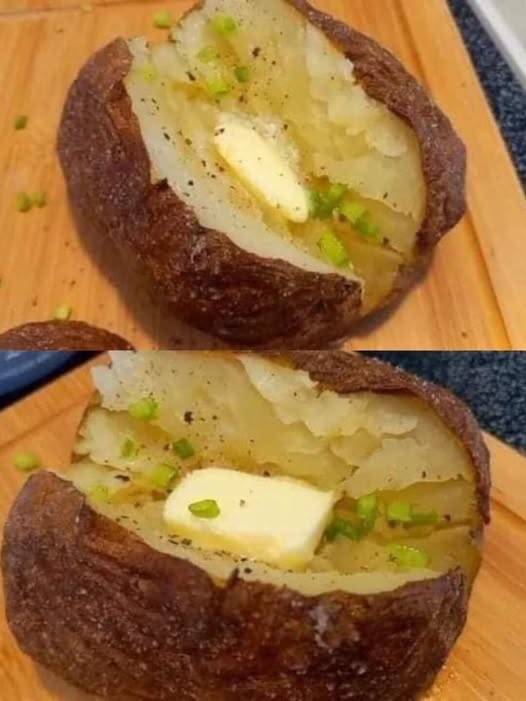
A light coating of olive oil or butter combined with a sprinkle of salt enhances the natural flavor and encourages the skin to turn golden and crisp. The potatoes can be placed directly on the oven rack to allow heat to circulate evenly around them, or set on a baking sheet for easier handling. Baking usually takes between forty five and sixty minutes depending on size, and the potatoes are ready when a fork slides easily into the center with little resistance.
Once baked, toppings open the door to endless creativity. Traditional choices like butter, sour cream, and cheese remain popular, while vegetables, herbs, beans, and plant based options allow baked potatoes to fit nearly any dietary preference. Their simplicity, adaptability, and comforting nature explain why baked potatoes continue to be a dependable and beloved presence in kitchens around the world.