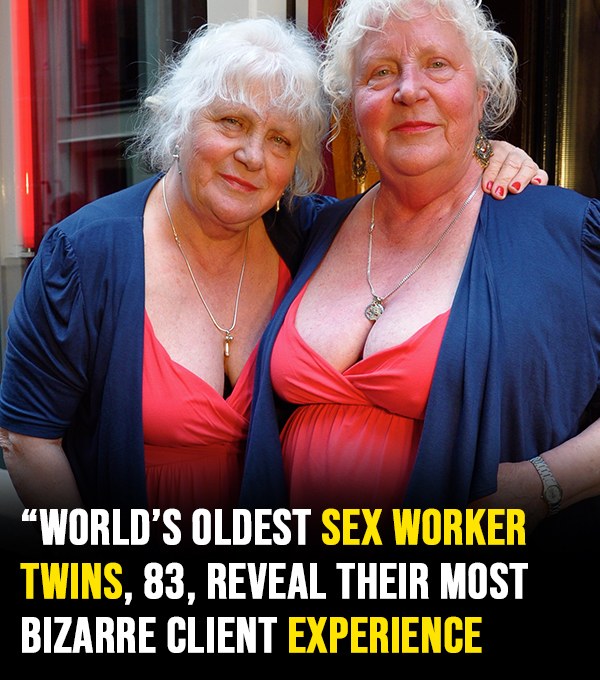
Twins, 83, Discuss Their Most Unexpected Client Experiences
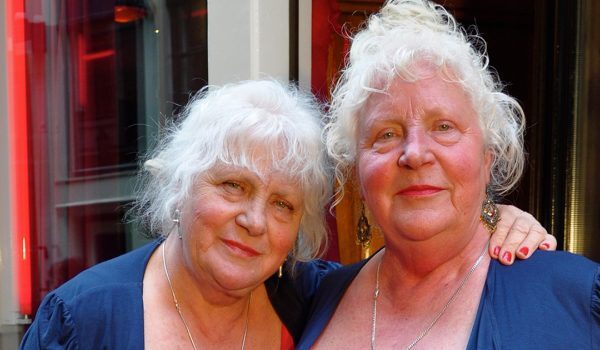
Louise and Martine Fokkens are among the most remarkable figures in the history of Amsterdam’s famed Red Light District, known locally as De Wallen.
These identical twin sisters spent decades working in one of the world’s most notorious and legally regulated sex work neighborhoods.
Becoming local icons whose lives have been documented, analysed, and celebrated for their resilience, candor, and longevity in a profession that few endure for even a fraction of their careers.
Their story weaves together survival, entrepreneurship, cultural change, personal hardship, and enduring sisterhood — a narrative far richer and more nuanced than sensational headlines.
Early Life and Entry into the Red Light District
Louise and Martine were born in Amsterdam, where they grew up in a working‑class family. Economic pressures and personal circumstances shaped their early adulthood in ways that deeply influenced the trajectory of their lives.
In Louise’s case, her entry into the sex industry came not from ambition but from survival: when she was in her late teens and newly married, her husband pressured her to work in the Red Light District to contribute to household income.
Louise later described how quickly events unfolded — she went from living an ordinary life to standing in a display window in the heart of De Wallen in a matter of hours, with little time to reflect on the significance of that decision.
Martine’s path was entwined with her sister’s. Initially working as a cleaner in brothels — literally sweeping the floors where Louise worked — Martine was eventually drawn into sex work herself.
She later explained that her motivation was partly emotional, born out of loyalty and frustration at how others treated Louise, whom many around them shunned because of her job.
Very soon after beginning, Martine discovered that customers frequently mistook her for her twin, and their work together became a shared endeavor.
A Career Spanning Decades
Over time, the Fokkens sisters became deeply rooted figures in Amsterdam’s Red Light District, working for well over fifty years.
In an era when many sex workers came and went with the ebb and flow of the tourists and local clientele, the twins endured, adapting to cultural shifts and changes in the legal landscape.
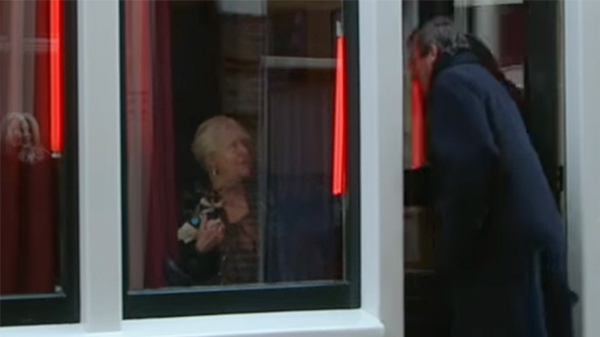
Much of what the public knows about their lives comes from the documentary Meet the Fokkens, released in 2011/2012, which captures them in their 60s recounting decades of experience, relationships, and changes in De Wallen’s environment.
Their story includes transitioning from employees to entrepreneurs: at one point they operated their own brothel and a small local eatery named De Twee Stiertjes, which became known among residents and workers in their neighborhood.
They built a reputation not only for their work but also for their distinctive style — often wearing matching outfits and thigh‑high boots — and their unique personalities.
Because their careers lasted so long, the sisters often joked in interviews that they had met an extraordinary number of people — some claim they encountered hundreds of thousands of clients over the years — though exact numbers are estimates rather than official counts.
What is certain is that their lives intersected with people from all walks of life, including tourists, locals, fellow workers, and even unexpected visitors.
Life in the Windows: Stories and Perspectives
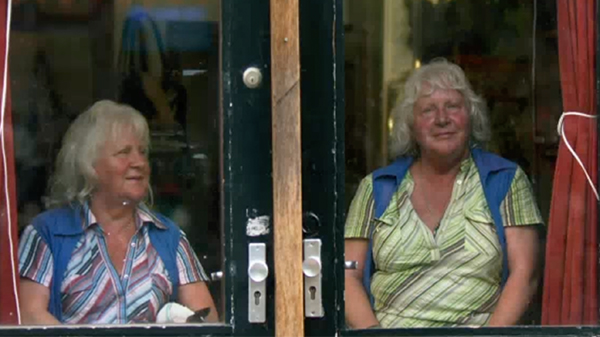
Inside De Wallen, sex workers like the Fokkens sisters worked behind the window — a literal glass display where they greeted clients, negotiated services, and built their own daily routines.
In the documentary and interviews, they discussed a range of memories: the challenges of the profession, the changing clientele, and the humor and humanity they found in moments others might consider unusual.
Their stories mix the serious and the surreal. For example, they recall encounters with clients from various backgrounds — from reserved local men to visitors with unconventional fantasies — all illustrating how the Red Light District operated as a space where human desires, vulnerabilities, and eccentricities intersected.
One memorable anecdote shared in popular media involves a man they nicknamed a “filthy little gnome,” whose excitement at seeing his partner sent the sisters into laughter.
Such recollections aren’t just salacious curiosities: they reveal the Fokkens’ ability to view their work with a mixture of pragmatism, humor, and resilience.
Challenges and Reflections on Prostitution
While they were known for their light‑hearted storytelling, the sisters were also candid about the difficulties and social stigma of their work.
Both expressed that, in hindsight, they regretted some aspects of their involvement in prostitution, especially the negative reactions and judgments they faced from broader society.
Yet they also acknowledged the people they met, the relationships they formed, and the unconventional pride they felt in having navigated a challenging life together.
Louise eventually retired due to severe arthritis that made continuing physically demanding work impossible; Martine continued working longer, partly out of financial necessity. Their long careers and contrasting personal circumstances illustrate how economic realities and physical health shaped their choices over time.
Cultural Context and Legacy
The story of the Fokkens sisters gains depth when understood within the broader history of sex work in Amsterdam. In the Netherlands, prostitution was legalized in 2000, meaning that sex workers were officially recognized and regulated as professionals.
Yet even with legal recognition, workers still faced social stigma, economic precarity, and evolving pressures from tourism and changing city policies.
Their documentary Meet the Fokkens serves not only as a personal portrait of two women but also as a cultural document of the Red Light District itself, charting its transformations from a predominantly local service to a major tourist attraction. Amsterdam’s De Wallen has long symbolized both liberal social policy and the complex realities of sex work in modern urban life.
In later years, the sisters also became known for painting scenes of the district and participating in local cultural events. They remained fixtures of the neighborhood long after stepping out of the window work they had done for more than half a century.
Retirement and Later Life
By their 70s and early 80s, both women had largely stepped back from active sex work. Louise retired earlier due to health issues, while Martine stayed involved longer because of financial need.
Since retiring, they have spent time with their families, including children and grandchildren, and engaged in other pursuits like painting, storytelling, and reflecting on their shared history.
Despite occasional sensational media portrayals labeling them as the “world’s oldest sex workers”, the reality of their lives is far more nuanced.
Their decades of experience reflect not only a long career in a stigmatized profession but also the evolution of personal identity, economic survival, and social change in Amsterdam across the latter half of the 20th century and into the 21st.
Conclusion — A Complex Legacy
Louise and Martine Fokkens are far more than sensational headlines or quirky figures in tourist lore. Their story — documented in film, discussed in interviews, and remembered by many who knew them or saw them work — is a testament to persistence, adaptability, and the complexities of life in a world that often misunderstands sex work.
They navigated decades of change with humor and honesty, confronted stigma and hardship, and ultimately lived lives that challenged stereotypes about aging, work, and independence. Their narrative reminds us that behind the neon lights and public curiosity are real people with real stories — stories that deserve to be told with depth, empathy, and truth.