Why Chicken Color Still Confuses Shoppers—and What It Really Says About Quality
Standing in the meat aisle, many shoppers pause longer than they expect.
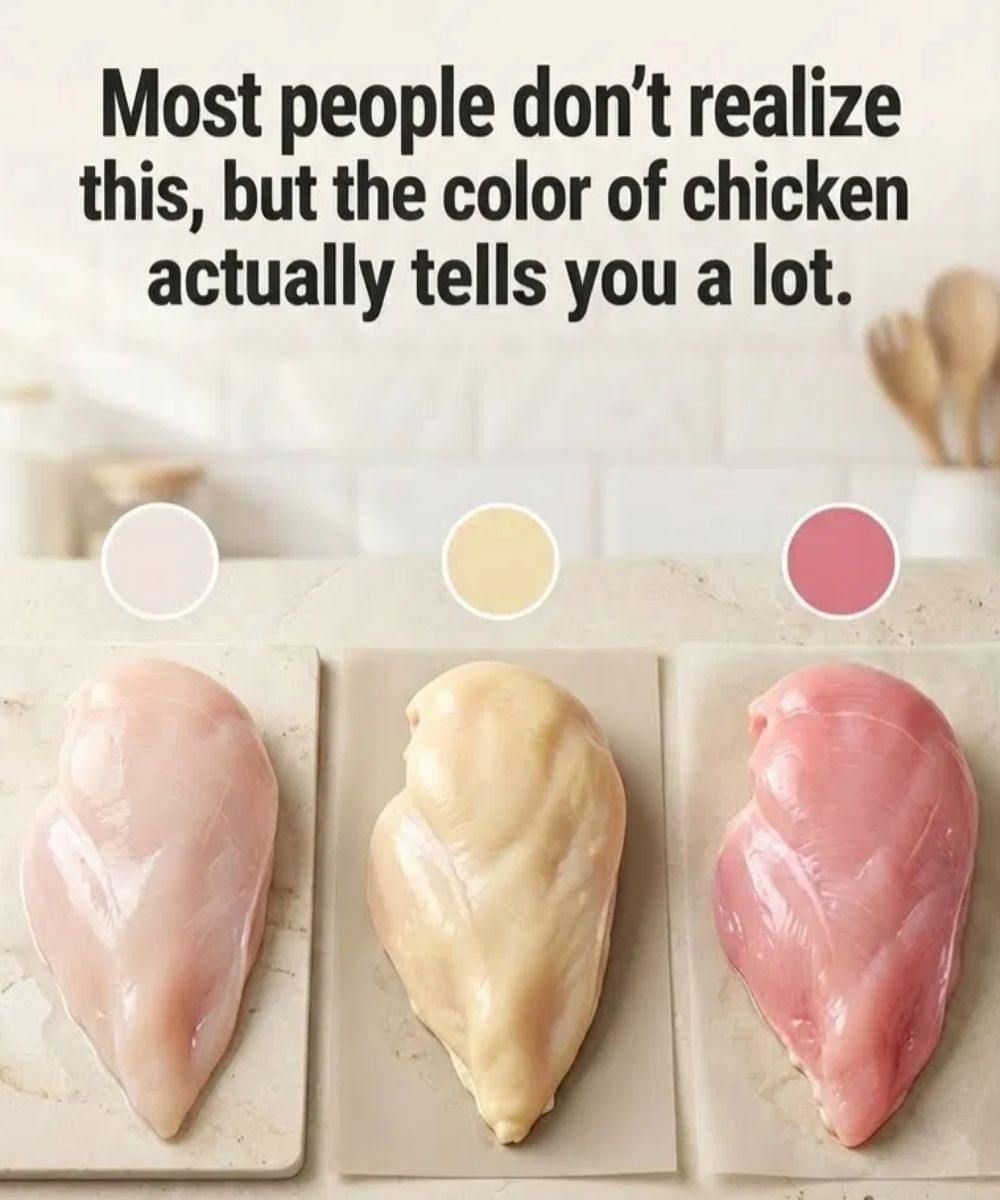
Two packages of chicken sit side by side. Same cut. Similar price. Yet they look noticeably different. One appears pale and almost pink. The other has a deeper yellow tone that immediately draws attention.
It’s natural to wonder what that difference means.
Is the yellow chicken healthier?
Is the pale one processed?
Has something been added, or removed?
For years, chicken color has shaped buying decisions, often without people realizing it. Appearance influences trust, appetite, and even assumptions about nutrition. But when it comes to poultry, color alone rarely tells the full story.
Understanding what chicken color actually represents can help you shop with confidence, especially if you care about flavor, value, or how your food was produced.
Why We Instinctively Judge Chicken by Color
Humans rely heavily on visual cues when choosing food.
Color signals freshness. It suggests richness. It hints at how something might taste. Over time, many shoppers have come to associate yellow chicken with “old-fashioned” quality and pale chicken with mass production.
These associations didn’t appear by accident.
Decades ago, chickens raised outdoors on mixed diets often developed a warmer tone in their skin and meat. People remembered that color and linked it with stronger flavor and firmer texture. As industrial farming expanded, lighter-colored chicken became more common, changing expectations and sparking confusion.
But color, on its own, is only a clue—not a conclusion.
What Pale Chicken Usually Indicates
Pale chicken is most commonly associated with large-scale commercial farming.
In these systems, birds are bred to grow quickly and efficiently. Their diets are carefully controlled to maximize growth in a short period of time. Housing is typically indoors, with limited space to move around.
This approach produces large quantities of affordable chicken, which is why pale meat dominates many supermarket shelves. The lighter color reflects genetics, diet, and lifestyle—not necessarily safety or freshness.
It’s important to understand that pale chicken is not automatically low quality.
It meets food safety standards and provides protein and nutrients like any other chicken. For many households, it offers a practical, budget-friendly option that works well in everyday meals.
What the color does reflect is speed and efficiency in production rather than natural movement or varied feeding.
Why Some Chicken Appears Yellow
Yellow chicken often points to a different feeding history.
The golden hue usually comes from natural pigments in the bird’s diet. Ingredients like corn, marigold petals, or plants rich in carotenoids can influence skin and meat color. Chickens that spend time outdoors, pecking at grass and insects, may also develop a deeper tone.
Slower growth and greater movement often lead to firmer texture and a richer taste. Many people describe this kind of chicken as more flavorful or closer to what they remember from earlier years.
Because of this, yellow chicken has gained a reputation for being superior.
But this reputation deserves closer examination.
Why Color Alone Can Be Misleading
Not all yellow chicken is raised the same way.
Some producers intentionally adjust feed to enhance color because they know shoppers associate yellow meat with higher quality. In these cases, birds may still be raised under intensive conditions, with limited space and rapid growth, despite their appealing appearance.
This means a golden color doesn’t automatically guarantee better living conditions, improved nutrition, or superior taste.
Similarly, pale chicken isn’t necessarily inferior. A well-handled, fresh bird raised under controlled conditions can still be tender, juicy, and satisfying when cooked properly.
Color influences expectations, but it does not tell the whole story.
What Actually Matters More Than Color
If you want meaningful insight into quality, look beyond appearance.
Labels provide far more useful information than color ever could. Terms such as pasture-raised, free-range, organic, or certified humane offer clues about how the chicken was raised, what it was fed, and how much space it had to move.
These factors influence more than ethics. They can affect texture, flavor, and consistency.
Reading labels carefully helps align your purchase with your priorities, whether those priorities are animal welfare, taste, or personal values.
Trust Your Senses, Not Just Your Eyes
Color is only one part of evaluating chicken.
Fresh chicken should have a clean, neutral smell. Any sour, sulfur-like, or unpleasant odor is a warning sign, regardless of whether the meat looks pale or yellow.
Texture matters too. The meat should feel firm, not slimy or sticky.
Once cooked, flavor and juiciness become the real test. These qualities are shaped far more by how the chicken lived and how it’s prepared than by its raw color in the package.
Cooking Style Can Change Perception
How you plan to cook the chicken also plays a role.
Pale chicken works well in soups, stir-fries, and dishes with sauces where seasoning carries the flavor. Yellow chicken may shine in simpler preparations, such as roasting or grilling, where the meat’s natural taste is more noticeable.
Neither is right or wrong. They serve different purposes in the kitchen.
Understanding this helps avoid disappointment and makes meal planning easier.
Budget, Values, and Choice
There is no single “correct” color of chicken.
For some shoppers, affordability matters most. For others, flavor or farming practices take priority. Many people balance all three depending on the occasion.
A weekday dinner may call for convenience and value. A special meal may justify a higher price for a bird raised under different conditions.
What matters is choosing intentionally, not assuming color equals quality.
The Bigger Picture Behind the Packaging
The meat aisle is full of stories that aren’t immediately visible.
Color is only the opening line. Behind it are decisions about breeding, feeding, housing, and production methods. Understanding those layers helps shoppers feel informed rather than uncertain.
The next time you notice the contrast between pale and yellow chicken, pause—but don’t stop there. Read the label. Consider the source. Think about how you’ll cook it.
Because quality isn’t written in color.
It’s shaped by choices, from farm to kitchen.