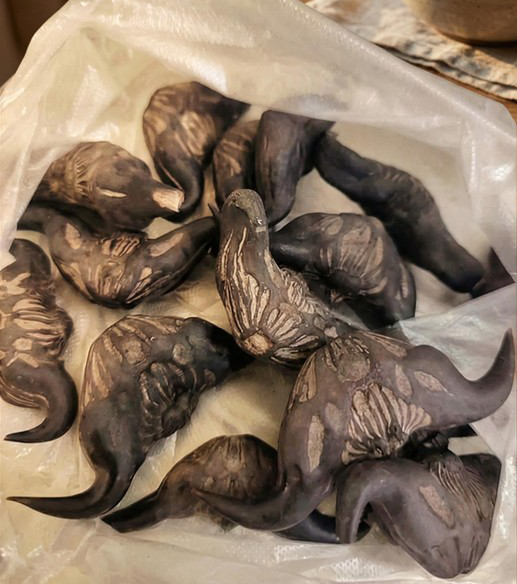
5 Warning Signs a Wild Forest Root May Not Be Safe to Eat
Today, modern experts warn that eating wild roots without proper knowledge can be dangerous. Just because a plant grows naturally or was once used by ancestors does not automatically make it safe for everyone or in all conditions. Some wild roots contain toxic compounds that can cause serious health problems if consumed incorrectly. Environmental changes, soil quality, and even seasonal differences can affect how potent these substances are. A plant that was once safe in one region or era may not be safe in another.
One of the earliest warning signs appears before a root is even tasted. If touching or handling it causes itching, burning, redness, or numbness on the skin, lips, or tongue, the plant may contain natural irritants. Certain species produce chemicals that protect them from insects and animals by causing irritation or pain. If simple contact leads to discomfort, eating the root could trigger much stronger reactions inside the body, including swelling, digestive distress, or breathing difficulties. Avoiding plants that cause immediate irritation is a basic and important safety rule.
Another major danger comes from misidentification. Many edible and poisonous roots look remarkably similar. Small differences in leaf shape, root texture, or color can separate a harmless plant from a deadly one. Traditional communities depended on detailed knowledge, seasonal cues, and careful preparation techniques to reduce risk. Without this experience, guessing can lead to serious mistakes. Even field guides and photographs may not be enough for accurate identification, especially for beginners.
Preparation methods also play a critical role in safety. Some roots require long soaking, repeated boiling, fermentation, or other specific treatments to remove toxins. If these steps are done incorrectly or skipped entirely, harmful substances may remain. This can result in nausea, vomiting, nerve problems, or long term health effects. Cooking alone does not always make a plant safe, and seasoning can mask warning flavors without eliminating danger.
Taste itself can be another signal. Extremely bitter, sharp, or numbing flavors often indicate that a plant is producing defensive chemicals. While some bitterness is normal in certain edible plants, strong or unusual sensations should not be ignored. Trusting taste as a safety test is risky, since some toxins do not produce immediate unpleasant flavors.
Certain individuals should be especially cautious. Pregnant or breastfeeding women, young children, elderly people, and those with medical conditions may be more vulnerable to even mild toxins. Wild plants are not standardized for safety or dosage, and reactions can vary greatly between individuals.
Wild roots remain an important part of cultural history and survival stories, but history also includes many cases of accidental poisoning. Nature offers valuable resources, yet it demands respect and caution. When identification is uncertain or preparation methods are unclear, choosing not to consume the plant is the safest decision. Protecting health should always come before curiosity, and modern food safety knowledge helps ensure that exploring nature remains responsible and safe.
![[Rest in peace] He opened her …](https://tinyhouse-zone.com/wp-content/uploads/2025/07/520400051_1070409811895645_2335621224662435664_n.jpg)