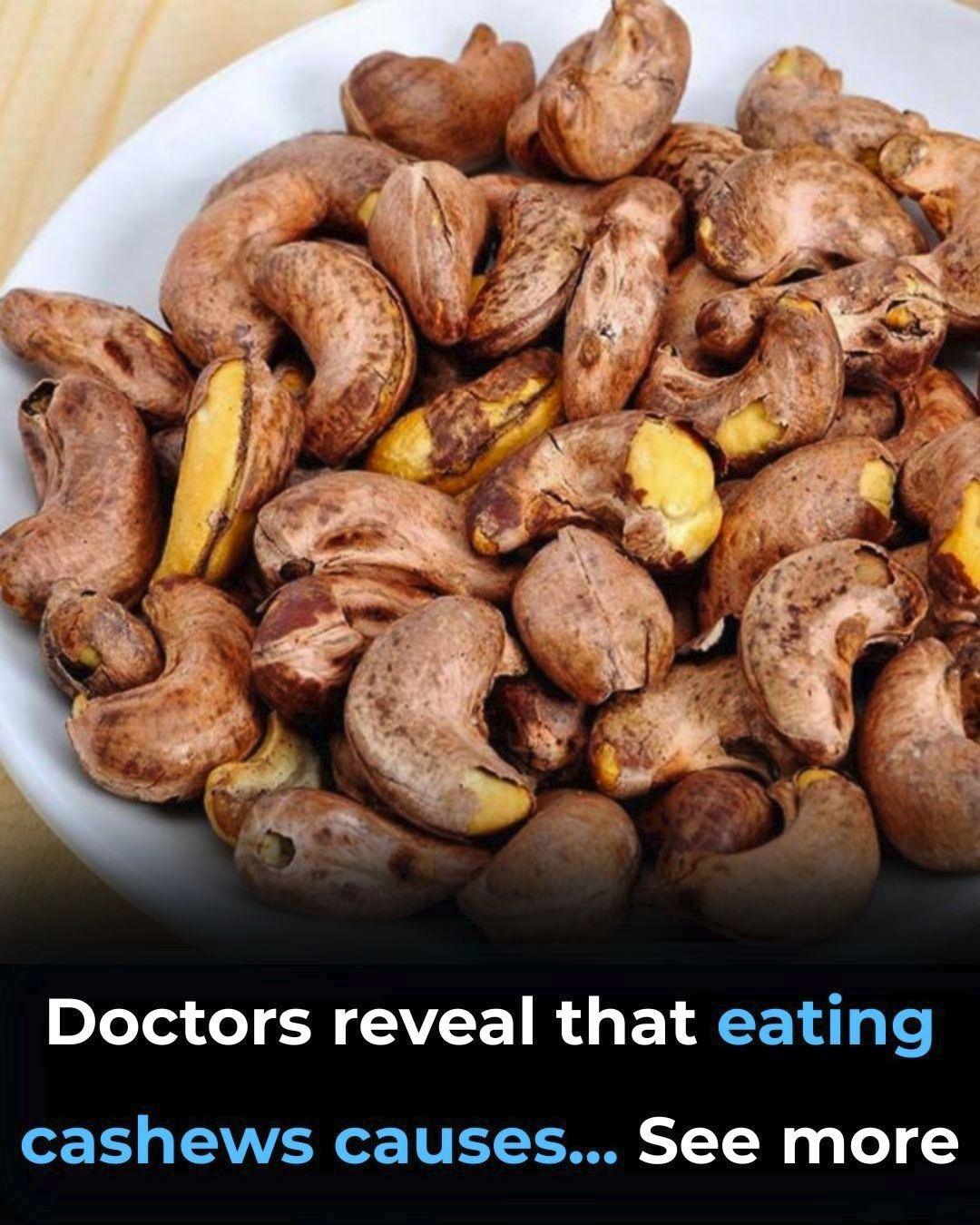
Doctors reveal that eating cashews causes
You may have seen alarming headlines like “Doctors reveal that eating cashews causes…”—often followed by scary claims about weight gain, kidney stones, or even heart problems. But what does real medical science actually say?
The truth is reassuring: for most people, cashews are a healthy, nutrient-rich food—not a health hazard. Let’s separate fact from fear.
✅ What Cashews Actually Do (Backed by Science)
Cashews are packed with:
Heart-healthy monounsaturated fats
Magnesium (supports muscle, nerve, and bone health)
Copper and zinc (key for immunity and metabolism)
Plant-based protein and fiber
Research shows regular nut consumption—including cashews—is linked to:
Lower risk of heart disease
Improved cholesterol levels
Better blood sugar control
Reduced inflammation
🌰 The American Heart Association recommends 4–5 servings of nuts per week as part of a heart-healthy diet.
⚠️ When Cashews Might Cause Concerns (Rare & Specific)
1. Allergic Reactions
Cashews are a tree nut and a common allergen.
Symptoms can range from hives to life-threatening anaphylaxis.
If you have a tree nut allergy, avoid cashews completely.
2. Digestive Discomfort (in Large Amounts)
Cashews contain fermentable fibers that can cause gas or bloating in sensitive individuals (e.g., those with IBS).
Solution: Stick to small portions (¼ cup = 1 serving).
3. Oxalate Content (Kidney Stone Risk)
Cashews are moderately high in oxalates, which can contribute to calcium-oxalate kidney stones in susceptible people.
If you’ve had oxalate stones before, limit intake and drink plenty of water.
For most people, this is not a concern.
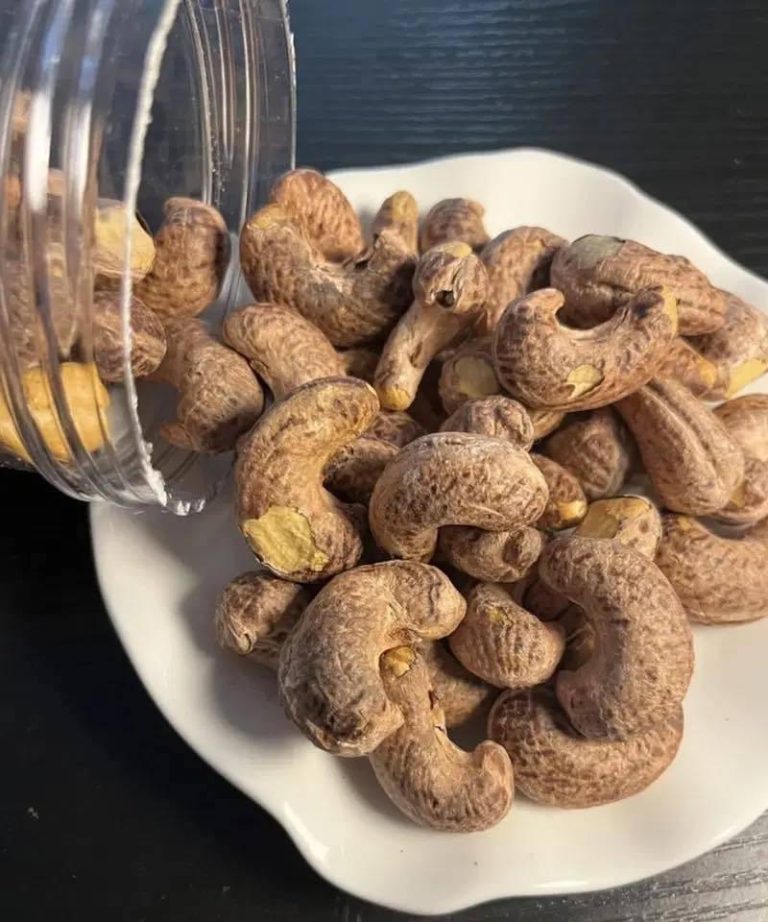
4. Raw Cashews Are Toxic
Truly raw cashews contain urushiol (the same toxin in poison ivy).
All “raw” cashews sold in stores are steamed or roasted to remove it—so they’re safe.
Never consume truly raw, unprocessed cashews.
❌ Myths Debunked
“Cashews cause weight gain” → False. Moderate nut intake is linked to better weight management due to satiety.
“Cashews raise cholesterol” → False. They may lower LDL (“bad”) cholesterol.
“Cashews cause acne” → No strong evidence. Diet-acne links are highly individual.
❤️ The Bottom Line
For most people, cashews are a healthy, nutritious food—not a hazard.
The idea that “doctors warn against cashews” is almost always misinformation or taken out of context. In reality, physicians often encourage patients to eat a handful of unsalted nuts like cashews several times a week.
“Food fear sells clicks—but science supports balance.”
If you have a specific condition (allergy, kidney stones, etc.), talk to your doctor or a registered dietitian. But for the average person? Enjoy cashews—they’re a delicious part of a healthy diet. 🌰✨