How to Recognize and Let Go of Toxic Friendships
Friendship is often described as chosen family — a bond built on trust, shared experiences, and mutual support. Healthy friendships provide emotional safety, encouragement, and joy, especially during life’s most stressful seasons. Research consistently shows that strong social connections improve mental and physical health. Studies involving hundreds of thousands of participants link meaningful relationships to increased longevity and reduced stress levels. When we feel supported, challenges become easier to manage because we know we are not facing them alone. True friendship nurtures growth, strengthens resilience, and creates a sense of belonging that enriches everyday life.
However, not all friendships offer these benefits. Some relationships gradually become draining rather than uplifting. Toxic friendships can create stress, anxiety, and emotional exhaustion. Instead of feeling energized after spending time together, you may feel depleted or insecure. Over time, you might find yourself compromising your values, silencing your needs, or walking on eggshells to avoid conflict. These patterns can slowly erode self-esteem and emotional well-being, making it essential to recognize when a friendship is no longer healthy.
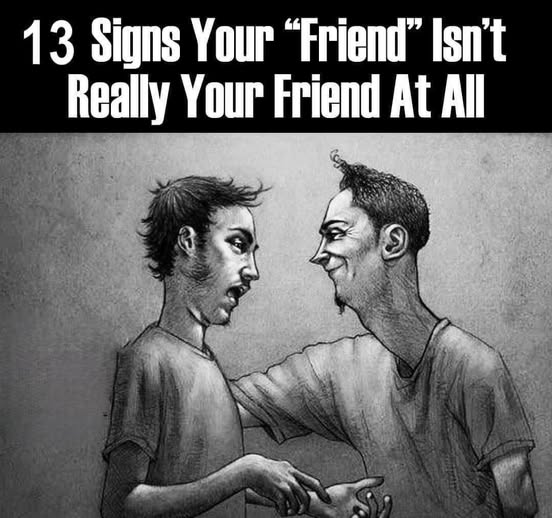
There are several common types of toxic friends. The braggart dominates conversations with self-praise while showing little interest in your experiences. The constant complainer focuses only on negativity, draining optimism from every interaction. The unsupportive friend disappears when you need encouragement most, while the unreliable one repeatedly breaks promises. Hypocrites apply double standards, criticizing behaviors they display themselves. Belittlers disguise insults as jokes, gradually damaging your confidence.
Other harmful patterns include excessive neediness, where one person constantly seeks emotional support without reciprocating. Ultra-negative friends magnify problems and dismiss successes, making positivity difficult. Selfish individuals expect priority without offering it in return, and jealous friends may attempt to isolate you from others or make you feel guilty for maintaining a broader circle. These behaviors disrupt balance and mutual respect, two essential pillars of any healthy relationship.
When facing a toxic friendship, changing the other person is rarely within your control. While some may promise improvement, lasting change often requires deep self-awareness and effort that they may not be willing to make. Instead, focus on establishing boundaries. Communicate your needs clearly, limit exposure to harmful behaviors, and create space when necessary. Protecting your emotional energy is not selfish — it is essential for well-being.
Letting go of a toxic friendship can be painful, particularly when history and shared memories are involved. Yet choosing peace over constant stress is an act of self-respect. Healthy friendships are reciprocal, supportive, and uplifting. They inspire growth rather than fear, comfort rather than tension. Life is too short to remain in relationships that diminish your joy. Surround yourself with people who celebrate your successes, respect your boundaries, and remind you of your true worth.