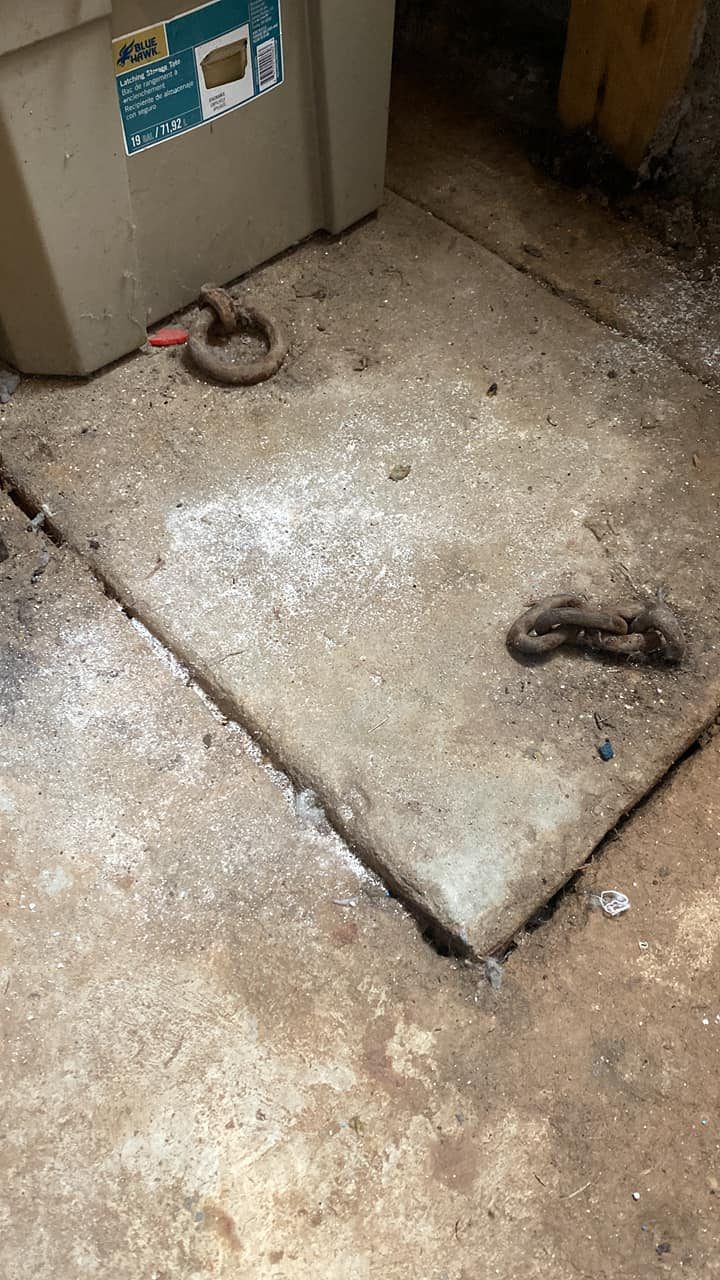
Right under your nose lies a shocking mystery from history!
Long before modern plumbing delivered clean water at the turn of a handle, families depended on hidden cisterns built into and beneath their homes. These quiet, often invisible reservoirs were essential to everyday survival. Designed to collect rainwater or channel natural springs, cisterns provided a reliable supply for drinking, cooking, cleaning, and bathing, especially during droughts or long dry seasons. In many regions, they were not a luxury but a necessity, carefully planned into the very bones of a house.
Skilled masons and builders treated cistern construction as a serious craft. Chambers were carved beneath floors, tucked under courtyards, or concealed behind thick stone walls. Sloped surfaces, gutters, and channels directed water efficiently into these underground spaces, while lime plaster or stone linings helped keep the water cool and clean. Every measurement and angle mattered. A poorly built cistern could leak, contaminate the supply, or fail entirely. A well built one could sustain a household for months. These structures represented foresight, patience, and a deep understanding of local climate and terrain.
For families, cisterns were practical lifelines. Water levels were watched closely, especially in summer. Children learned early how precious water was, and daily routines were shaped around conservation. Unlike modern systems that hide water scarcity behind infrastructure, cisterns made limits visible. They reminded households that resources were finite and that survival depended on careful use and maintenance.
As plumbing technology advanced and municipal water systems expanded, cisterns gradually fell out of use. Pipes replaced channels, and underground reservoirs were sealed, filled in, or forgotten entirely. Over generations, their purpose faded from memory. Homes were remodeled, floors replaced, and walls moved, often without realizing that a cistern lay just beneath. What was once central to daily life became an architectural ghost.
Discovering a buried cistern today feels like opening a time capsule. Homeowners may notice odd floor tiles that do not quite match, unusual paint patterns, or walls that seem thicker or strangely placed. A hollow sound beneath the floor or an unexpected drop during renovation can reveal what has been hidden for decades or even centuries. These discoveries spark curiosity and often a powerful connection to the people who once lived there, relying on the same structure for survival.
Restoring a cistern is more than a typical renovation project. It becomes a conversation across time. Preservation experts and structural engineers can help stabilize old masonry, assess safety, and determine how best to protect the structure. Some homeowners choose to preserve cisterns purely as historical features, leaving them sealed but documented. Others adapt them for modern use, converting them into rainwater harvesting systems for gardens, toilets, or emergency storage. In this way, old survival tools gain new relevance.
Cisterns also offer lessons that feel increasingly relevant today. As climate change and water scarcity affect more communities, these old systems remind us that past generations lived with a constant awareness of resource limits. Their solutions were local, durable, and thoughtfully integrated into daily life. They did not rely on endless supply but on careful planning and respect for natural cycles.
Preserving cisterns safeguards more than stone and mortar. It protects stories of adaptation, resilience, and quiet ingenuity. These structures connect modern homeowners to a time before convenience, when water shaped architecture and routine alike. By honoring and, when possible, reusing cisterns, we keep that history alive while embracing practices that can still benefit future generations.