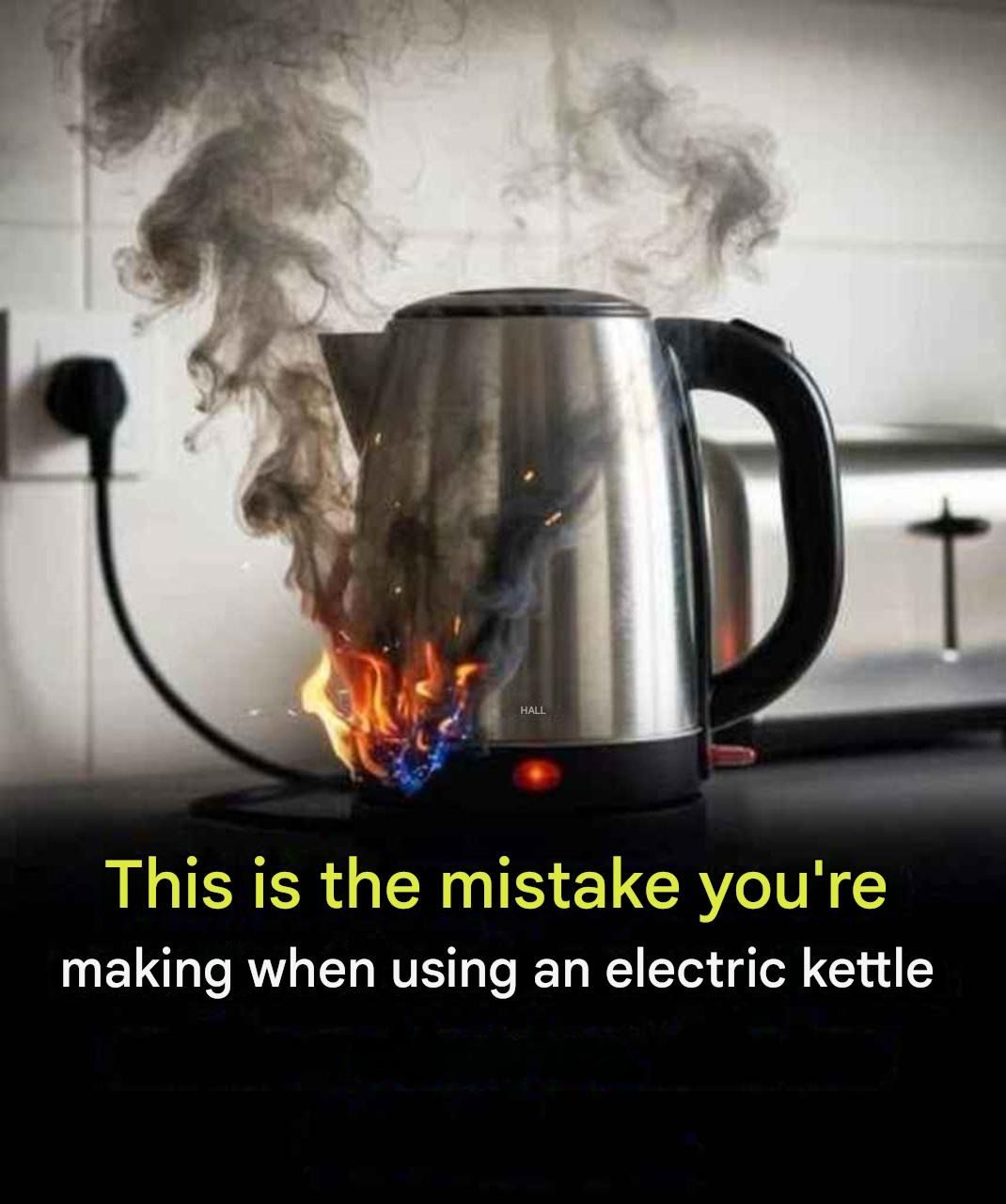
The little-known dangers of using a kettle every day
Although we use them constantly, few of us truly master their optimal use. The electric kettle is one of those everyday appliances that feels foolproof, yet small habits can have a big impact on safety, durability, and even the taste of your drinks. From allowing limescale to build up, to overfilling the tank or leaving it plugged in permanently, these minor oversights can shorten its lifespan or subtly ruin your morning tea. So ask yourself honestly, are you really using your kettle the right way?
Everyday mistakes are often overlooked because they seem harmless. Overfilling is one of the most common. Filling the kettle beyond the maximum line might look practical, especially when making several cups, but it creates real risks. Water can overflow from the spout and splash onto your hands or the base. It also puts unnecessary pressure on the automatic shut off system and accelerates wear on the internal seals. The rule is simple. Only fill to the indicated level, no more.
Another frequent error is turning the kettle on while it is empty. This can happen easily when you are distracted or in a hurry. Heating an empty kettle causes the heating element to overheat, which can permanently damage it or trigger safety cutoffs. Before pressing the button, always take a second to check the water level. That small pause can save the appliance.
Limescale is another silent enemy. These chalky deposits may not look alarming, but they reduce heating efficiency, make boiling slower, and can slightly change the taste of the water. Over time, limescale also strains internal components. Regular descaling is essential if you want clean tasting water and a kettle that performs well.
Small visible issues should never be ignored. A damaged power cable, a loose or unstable base, or even a tiny crack in the body are warning signs. Using a faulty kettle increases the risk of electrical problems or burns. When safety is involved, replacement is always the wiser option.
Water stagnation is another habit to avoid. Leaving water in the kettle for days encourages mineral buildup and can lead to unpleasant odors. The best practice is to empty the kettle after use and give it a quick rinse. Fresh water makes a noticeable difference.
For smooth and stress free use, a few habits make all the difference. Never overfill. Always use fresh water and make sure the lid is properly closed. Place the kettle on a stable, dry surface and keep the cord away from the edge of the countertop. While the water is boiling, keep a safe distance because steam can escape suddenly. When pouring, go slowly to avoid splashing. After use, unplug the kettle for extra safety.
Descaling deserves special attention. Ideally, you should descale your kettle every one to three months, depending on water hardness. A simple method works well. Half fill the kettle with water and white vinegar or lemon juice, heat it, let it sit for twenty to thirty minutes, then rinse thoroughly. As a final step, boil fresh water once to remove any lingering smell. Never submerge the electric base in water.
Should you leave your kettle plugged in all the time? Most modern models are designed to handle this without issue. However, unplugging it at night or during storms adds an extra layer of safety. It costs nothing and offers peace of mind, especially in homes with children or pets.
Finally, know when it is time to let go. If your kettle leaks, smells strange, trips the switch, or no longer turns off properly, replacement is the safest choice. Newer models are usually quieter, more energy efficient, and faster. Sometimes, upgrading is not just convenient. It is the smart move.