The small tattoo that hides a powerful message: do you know what it means?
The small tattoo that hides a powerful message: Do you know what it means?
In the world of body art, tattoos have been a form of personal expression for centuries. From elaborate designs to small, minimalist marks, each tattoo can hold a unique story or a deep meaning for the wearer. While some get tattoos for aesthetic reasons, others do so as a symbol of an important moment in their lives.

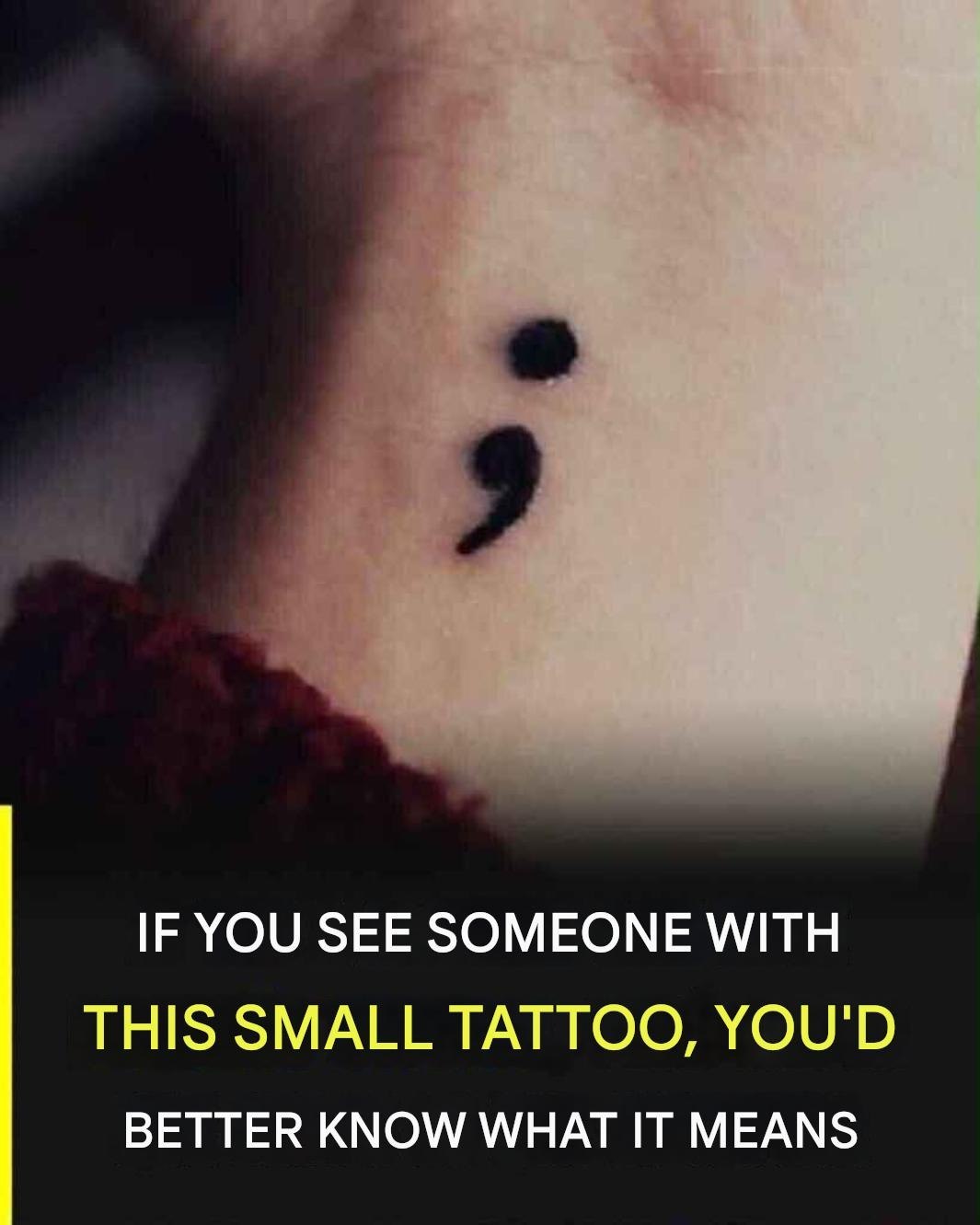
One of the most discreet yet deeply meaningful tattoos is the semicolon. While it may seem like a simple punctuation mark at first glance, its symbolism goes far beyond grammar. This small design has appeared on the skin of thousands of people worldwide, including celebrities, and its story is as powerful as it is inspiring.
The Semicolon Project was launched in 2013 with a clear purpose: to raise awareness about mental health and suicide prevention. The initiative seeks to eliminate the stigma surrounding emotional disorders and provide support to those who have gone through difficult times.
The use of the semicolon as a symbol is a metaphor representing a pause in a sentence rather than a definitive end. In this context, it becomes a reminder that, even though someone may have faced difficult situations, their story continues. This tattoo has become an emblem of overcoming adversity, resilience, and hope for many people.
Over the years, the meaning of this tattoo has resonated across diverse communities and has been embraced by those who have struggled with anxiety, depression, and other mental health issues. For many, it’s a symbol of personal strength and a way to support others facing similar battles.
The semicolon tattoo has become so popular that it has even reached public figures. Selena Gomez, the renowned singer and actress, is one of the celebrities who has chosen to wear this symbol on her wrist. Her decision to get this tattoo was not only a personal statement, but it also helped to raise awareness about the importance of talking about mental health.

The impact of this movement has been significant, generating open dialogues about emotional well-being and fostering a supportive environment for those who need it. Furthermore, it has inspired many people to seek professional help and share their experiences without fear of judgment.