The Truth About Wrapping Food With Aluminum Foil in the Freezer
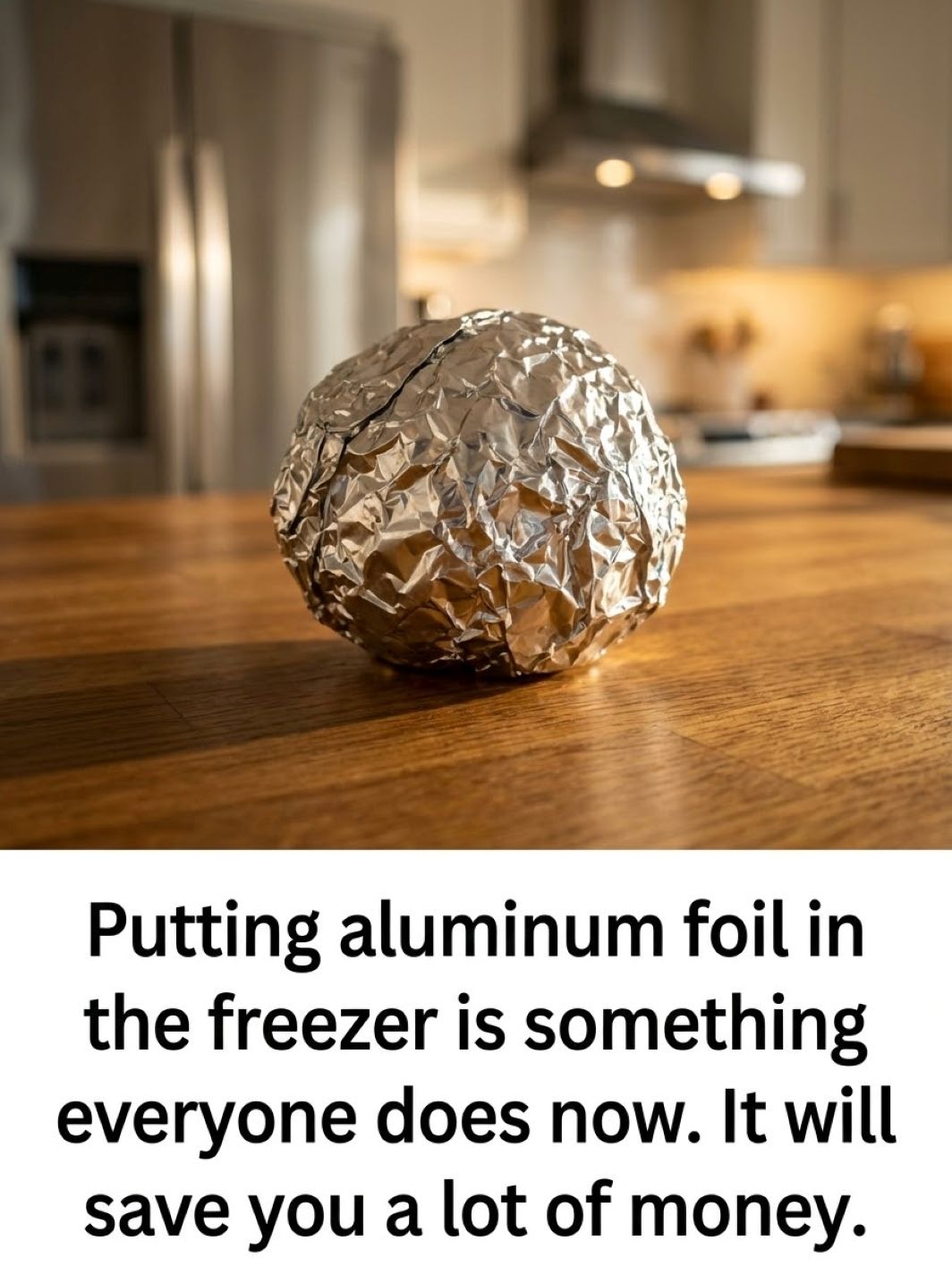
Using aluminum foil in the freezer has recently become a popular tip shared across social media platforms and home care blogs. The idea is simple and appealing. Either wrap certain foods in aluminum foil or include it thoughtfully in your storage routine to help preserve freshness. While this may sound like a minor adjustment, the way food is stored in the freezer can influence taste, texture, and even how efficiently the appliance operates. Understanding how aluminum foil functions and how to use it correctly can help you make smarter choices in the kitchen without spending extra money or adding complicated steps to your routine.
One of the main reasons people turn to aluminum foil in the freezer is its ability to reduce air exposure. Air is one of the biggest contributors to food quality loss during freezing. When food is wrapped tightly, less air comes into contact with its surface, which helps slow moisture loss and reduces the risk of freezer burn. This is especially helpful for foods like meat, fish, bread, baked goods, and cooked meals that may sit in the freezer for weeks or even months. By preserving moisture, texture, and flavor, proper wrapping allows frozen food to taste much closer to fresh once it is thawed and prepared.
Aluminum foil also offers durability and flexibility that many other wrapping materials lack. It can be molded closely around irregularly shaped foods, creating a snug seal that plastic wrap alone may not achieve. For even better results, many people use foil as an outer layer over freezer bags or airtight containers. This added layer provides extra protection from air and odors, helping prevent foods from absorbing unwanted smells from other items stored nearby. This can be especially useful in freezers that hold a wide variety of foods at the same time.
Another benefit often mentioned is improved organization and efficiency. When food is wrapped neatly in uniform shapes, it becomes easier to stack items and maximize available space. Labeling foil wrapped packages with dates and contents can also make it easier to track what needs to be used first. Better organization allows cold air to circulate more evenly, which helps the freezer maintain a stable temperature without working harder than necessary. Some people report less frost buildup and easier cleaning as a result of more intentional storage habits, even though aluminum foil itself is not an insulator.
That said, aluminum foil is not a universal solution and should be used thoughtfully. It should never be placed directly against freezer walls, vents, or appliance components, as this could interfere with airflow or proper operation. Foil is most effective when used as a wrapping material rather than a lining or loose insert. It is also important to ensure that food is cooled properly before wrapping and freezing, since trapping heat can lead to condensation and ice formation.
Overall, aluminum foil can be a practical and low cost tool for improving freezer storage when used correctly. When combined with simple habits like tight wrapping, clear labeling, and organized placement, it can help food stay fresh longer and reduce unnecessary waste. With a small amount of attention and consistency, this everyday kitchen item can quietly support better food quality and a more efficient freezer routine.