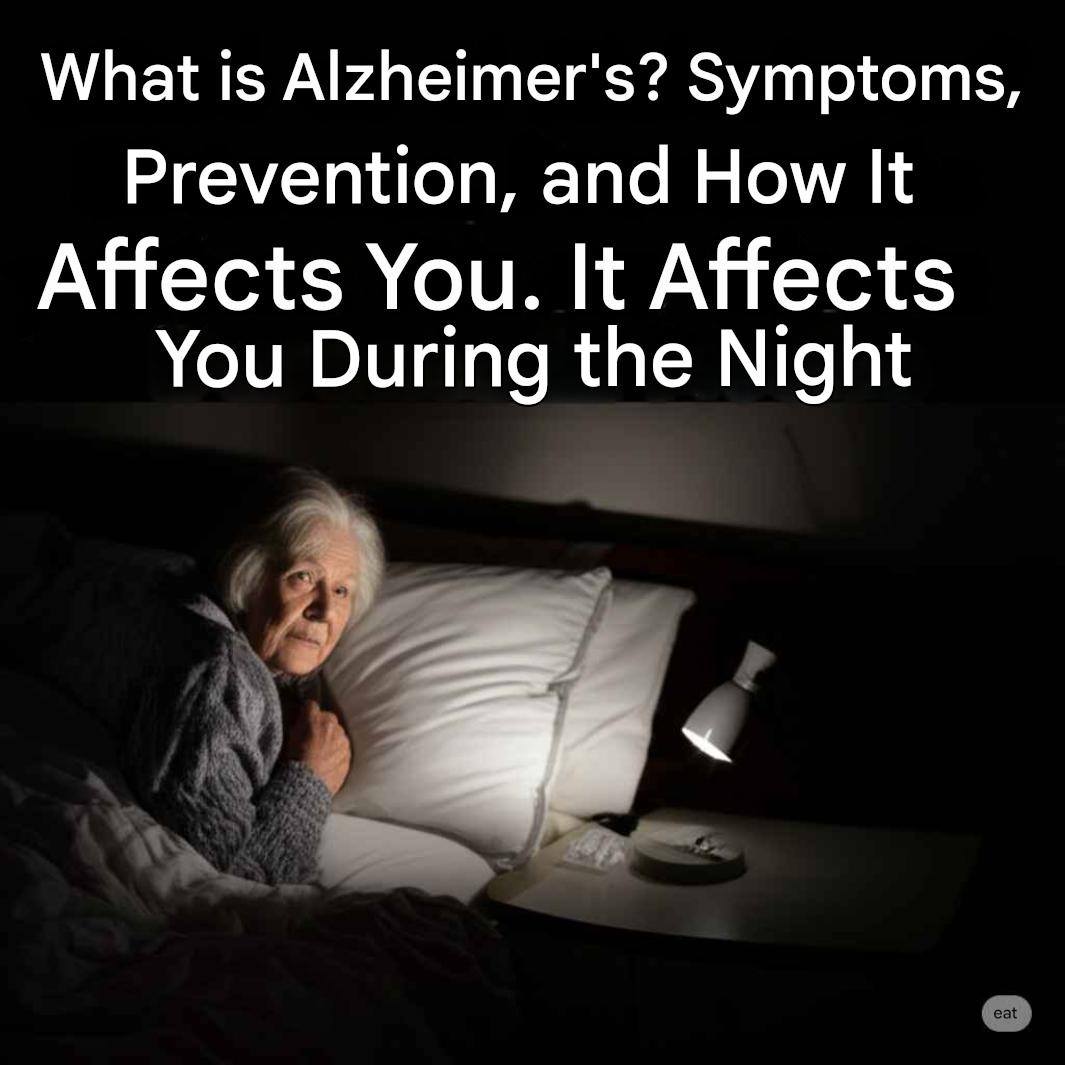
What is Alzheimer’s? Symptoms, Prevention, and How It Affects You at Night
Alzheimer’s is a progressive neuro degenerative disease that affects memory, thinking, behavior, and the ability to carry out everyday activities. It is the most common cause of dementia worldwide and primarily affects older adults, usually those over the age of 65. However, in some cases the disease can appear earlier in life. Alzheimer’s develops gradually and worsens over time, making it a long term condition that deeply impacts not only the individual but also their family and caregivers.
So what exactly is Alzheimer’s disease? At its core, Alzheimer’s causes damage to brain cells and disrupts the way neurons communicate with one another. Areas of the brain responsible for memory, language, and reasoning are especially affected. As brain cells deteriorate and eventually die, the brain shrinks and loses its ability to function normally. In the early stages, symptoms may be mild and easy to dismiss, but as the disease progresses, it interferes with independence, personal relationships, and daily routines. Simple tasks such as cooking, managing finances, or recognizing loved ones can become extremely difficult.
The symptoms of Alzheimer’s vary from person to person, but there are several common warning signs. One of the earliest and most noticeable symptoms is recent memory loss, especially forgetting newly learned information, appointments, or familiar names. Many individuals also struggle with problem solving or making decisions that once seemed simple. Disorientation is another frequent symptom, which can include confusion about time, dates, or places, and even getting lost in familiar surroundings. Language difficulties may appear as trouble finding the right words, repeating phrases, or using incorrect terms. Changes in mood and personality are also common, including irritability, anxiety, confusion, depression, or emotional withdrawal. Over time, many people experience social isolation and lose interest in hobbies or activities they once enjoyed.
Although there is no guaranteed way to prevent Alzheimer’s, research shows that healthy lifestyle habits can significantly reduce the risk or delay the onset of symptoms. Regular physical activity such as walking, swimming, or dancing supports blood flow to the brain and overall brain health. A balanced diet, particularly one similar to the Mediterranean diet that includes fruits, vegetables, fish, whole grains, and olive oil, may help protect cognitive function. Mental stimulation is equally important, whether through reading, puzzles, memory games, or learning new skills. Managing stress, getting enough quality sleep, and controlling conditions like high blood pressure, diabetes, and high cholesterol also play a crucial role. Maintaining strong social connections with friends and family can further support emotional and cognitive wellbeing.
Alzheimer’s can present unique challenges at night. Many individuals experience a worsening of symptoms in the evening, a phenomenon known as sundowning. During this time, people may become more confused, anxious, or agitated as daylight fades. Some may wander aimlessly, have trouble sleeping, or experience hallucinations or unusual behaviors. These nighttime symptoms can be distressing and exhausting for both patients and caregivers.
To help reduce nighttime difficulties, it is helpful to maintain a consistent daily routine that promotes a sense of stability. Limiting long naps during the day can improve nighttime sleep. Creating a calm and comfortable environment with soft lighting in the evening can ease confusion. Avoiding heavy meals, caffeine, and alcohol before bedtime may also help. Gentle music, relaxation techniques, or soothing scents like lavender can promote a sense of calm.
In conclusion, Alzheimer’s is a complex and challenging disease, but early diagnosis, healthy habits, and strong emotional support can greatly improve quality of life. By understanding the symptoms and taking steps to protect brain health, individuals and families can better face the challenges that Alzheimer’s brings.