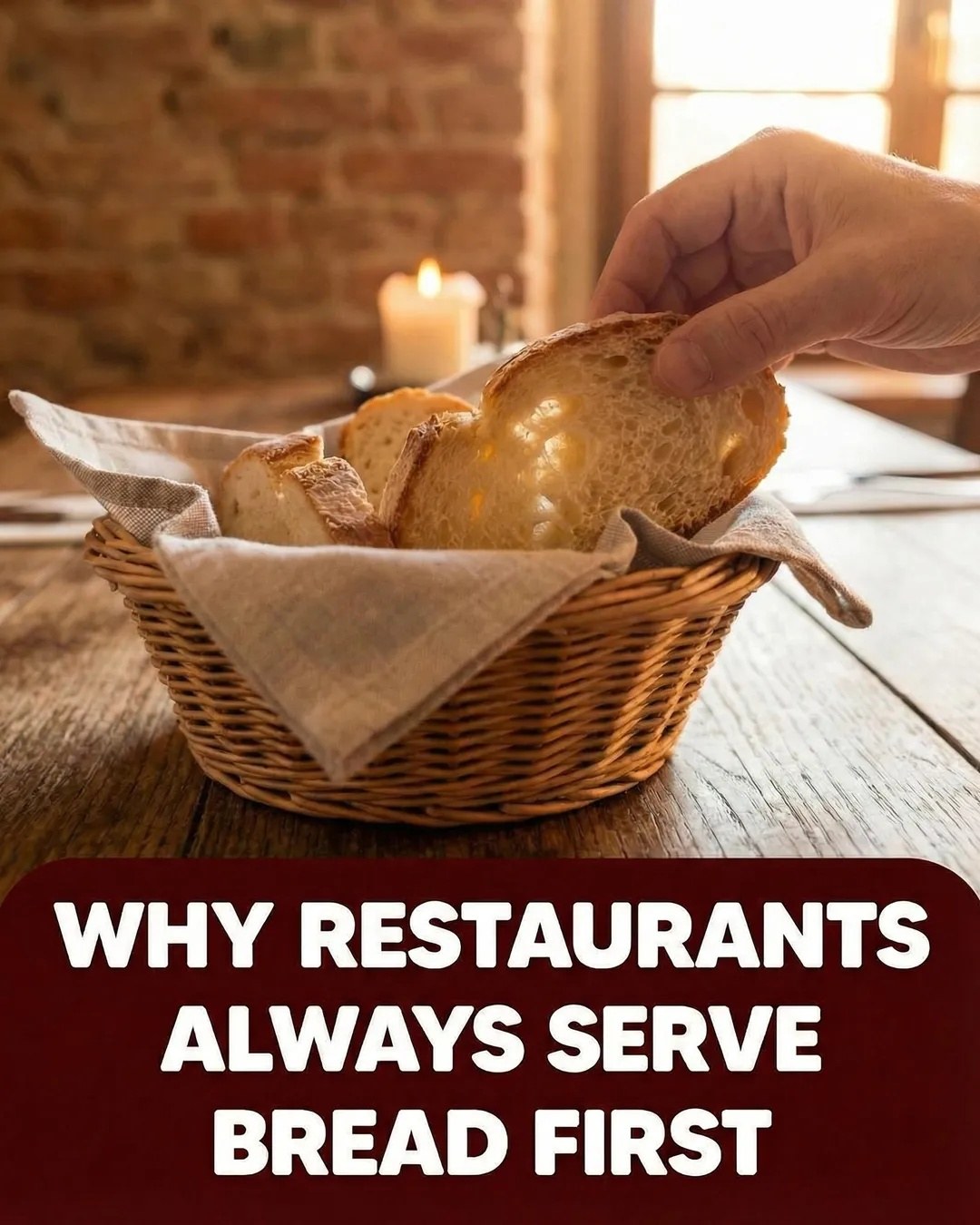
Why Restaurants Often Bring Bread to the Table Before You Order
The moment a guest sits down at a restaurant, something subtle yet powerful often happens. Before the menu has even been opened, a basket of warm bread appears on the table.
Glasses are filled with water, napkins are neatly placed, and the atmosphere begins to soften. Conversation slows, shoulders relax, and the dining experience quietly begins to take shape.
To many diners, this seems like a simple courtesy—a small gesture of hospitality meant to curb hunger while waiting for the meal. In reality, however, this early moment plays a much larger role in shaping how guests feel, think, and ultimately experience the restaurant as a whole.
Long before an entrée is selected or a bill is calculated, restaurants are already influencing perception. The first few minutes after seating are especially important because they establish expectations.

Psychologists and hospitality experts alike agree that first impressions are powerful and difficult to reverse. Offering bread and water immediately sends a clear message: you are welcome here, you are cared for, and your comfort matters. This message, though rarely spoken aloud, sets the emotional tone for the entire meal.
Bread as a Universal Symbol of Hospitality
Across cultures and throughout history, bread has carried deep symbolic meaning. In many societies, sharing bread represents generosity, safety, and community.
From ancient civilizations to modern dining rooms, bread has been associated with nourishment and trust. When a restaurant offers bread without requiring an order, it taps into this long-standing tradition. Guests instinctively interpret the gesture as a sign of goodwill rather than a sales tactic.
Fresh bread also communicates quality and attention to detail. Warmth, aroma, and texture all play a role in sensory perception.
The smell of freshly baked bread can immediately trigger feelings of comfort and familiarity, often tied to positive memories of home, family meals, or celebrations.
These emotional associations are not accidental; they are rooted in how the human brain processes scent and taste. Smell, in particular, is strongly connected to memory and emotion, making it one of the most powerful sensory tools available in a dining environment.
The Psychological Effect of Eating Early in the Meal
Beyond tradition and symbolism, there is also a practical and psychological dimension to serving bread early. Hunger can affect mood, patience, and decision-making.
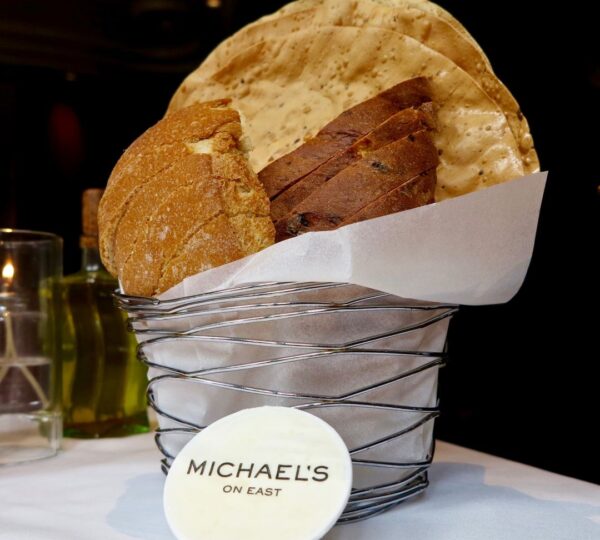
When people are hungry, they are more likely to feel irritable, rushed, or overly focused on price and portion size. Providing a small amount of food shortly after seating helps stabilize that initial hunger, allowing guests to relax and enjoy the process of choosing their meal.
Some discussions in neuroscience and nutrition suggest that consuming carbohydrates can lead to a mild increase in blood glucose levels.
This can support the production of neurotransmitters associated with a sense of calm and well-being, such as serotonin.
While it is important not to overstate these effects or frame them as medical outcomes, the general idea is well-supported: eating can improve mood and reduce stress, especially when someone has not eaten for several hours.
Experts like Dr. Daniel Amen and other researchers in brain health often emphasize the connection between stable blood sugar and emotional regulation.
In a restaurant setting, this means that a small offering like bread can help guests feel more balanced and comfortable as they browse the menu. The wait for food feels shorter, conversation flows more easily, and the overall experience becomes more enjoyable.
Creating Comfort to Encourage Better Experiences
Mood and comfort strongly influence how people perceive value. When diners feel welcomed and relaxed, they are more likely to view the restaurant positively—even before the main dishes arrive.
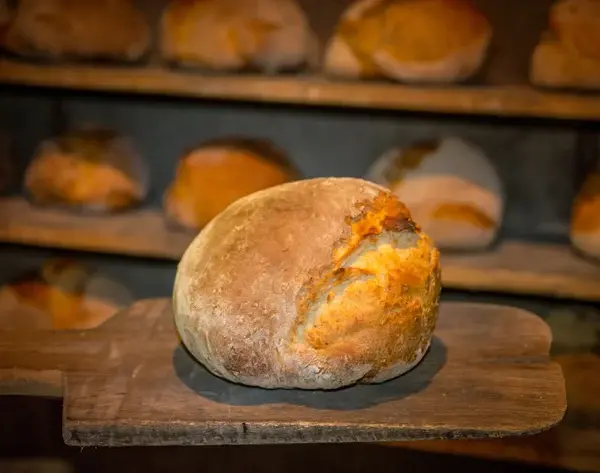
This sense of ease can subtly shape ordering behavior. Guests who feel unhurried and cared for may be more open to exploring the menu, considering appetizers, side dishes, desserts, or specialty drinks.
This does not mean that restaurants use bread as a form of manipulation. Rather, it reflects a broader understanding of human behavior and hospitality.
A relaxed guest is more likely to linger, enjoy conversation, and treat the meal as a social experience rather than a quick transaction. For many restaurants, especially those focused on casual dining or fine dining, this atmosphere is central to their identity.
The Role of Ritual in Dining
Serving bread at the beginning of a meal has also become a ritual—one that signals the transition from daily life into a shared dining experience. Rituals provide structure and comfort.
They help people know what to expect and create a sense of continuity. Just as being greeted by a host or having water poured immediately establishes rhythm, the bread basket marks the official start of the meal.
Rituals are especially important in social settings. They encourage guests to slow down, put away distractions, and engage with the people at the table. In a world where many meals are rushed or eaten alone, this simple act can make dining out feel special and intentional.
From the Restaurant’s Perspective
For restaurants, early gestures of hospitality serve multiple purposes. They help manage the flow of service, allowing the kitchen time to prepare orders while guests remain content.
They also reduce the likelihood of frustration during busy periods. A guest who has bread and water is generally more patient than one who is waiting with an empty table.
Importantly, these practices also reflect professionalism. Consistency in early service—prompt seating, immediate water, and a small offering—signals that the restaurant is well-organized and attentive. This builds trust, which is essential in any service-based industry.
Atmosphere Over Strategy
While there are clear benefits for both guests and restaurants, the true value of serving bread lies in atmosphere rather than strategy.
Most diners do not consciously analyze why they feel more comfortable after bread arrives—they simply do. The gesture fades into the background, becoming part of the overall impression rather than a focal point.
This is what makes it so effective. Hospitality works best when it feels natural, not calculated. The bread basket succeeds because it aligns with genuine care for the guest experience.
It communicates generosity before a single order is placed and establishes a tone of abundance rather than limitation.
A Lasting Impression
In the end, the bread basket is about more than food. It is about welcome, comfort, and connection. That small gesture at the beginning of a meal can shape how guests remember the entire experience.
A restaurant that makes diners feel relaxed and appreciated from the first moment is far more likely to earn loyalty and repeat visits.
Whether rooted in tradition, supported by psychology, or refined through decades of hospitality practice, serving bread early remains a powerful tool for creating positive dining experiences.
It transforms waiting into enjoyment, hunger into comfort, and a simple meal into a meaningful ritual. And often, it is that quiet moment at the start—the warmth of bread, the clink of glasses, the easing of conversation—that guests remember long after the plates are cleared.