Is It Better to Place Your Phone Screen Up or Down on the Table?
Smartphones have become an inseparable part of modern life, transforming the way we interact with the world around us. In just over a decade, these devices have evolved from simple communication tools into powerful pocket-sized computers. Today, people rely on smartphones for nearly everything—checking bank balances, making instant payments, accessing entertainment, or connecting with loved ones across the globe. This convenience has reshaped daily routines, but it has also introduced new concerns, particularly around phone screen safety and social etiquette. Knowing how to protect your device while also being mindful of how you use it can make a significant difference in both your digital well-being and your personal interactions.
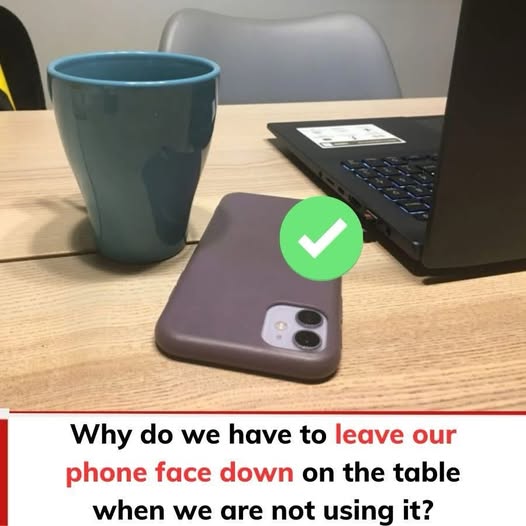
One common recommendation is to keep your phone screen face down when dining with friends, attending meetings, or spending time with family. Placing the phone face down signals to those around you that they have your full attention, free from the constant lure of notifications. This simple action demonstrates respect, fosters deeper human connection, and encourages more meaningful conversations. On a practical level, it also prevents unnecessary distractions, helps conserve battery life, and even reduces the chance of accidental scratches to your phone’s camera lens or screen surface. Privacy is another hidden advantage; keeping the phone face down ensures that sensitive information from incoming messages or app notifications remains unseen by others nearby.
That said, this practice has its drawbacks. Placing your phone face down might result in missed calls, texts, or urgent notifications—something that could be particularly problematic in situations where instant communication is important. For instance, parents, caregivers, or those on-call for work may not have the luxury of ignoring alerts. Additionally, experts in digital behavior note that the way you position your phone can unconsciously reflect your mood or social comfort. People often keep their phones within easy reach when they feel awkward in a social setting but tend to set them aside when they feel secure and engaged with close friends. In this sense, the position of your phone may say more about your state of mind than you realize.
Beyond etiquette, phone safety is another crucial consideration. Experts suggest several strategies to minimize risks associated with smartphone use. One important tip is to use wired or wireless headphones when making long calls. This helps reduce prolonged exposure to radiation emitted when the phone is pressed directly against your ear. Another precaution is to store your phone in a bag, rather than a pocket, when not in use. Carrying it too close to the body over long periods may expose you unnecessarily to electromagnetic signals. Similarly, avoiding extended phone use in areas with weak signal strength can be beneficial, as phones emit stronger radiation when struggling to maintain a connection.
Equally important are the boundaries we set for ourselves. Smartphones are designed to capture attention, but constant usage can erode personal relationships and create stress. Establishing “phone-free zones” or time blocks—such as unplugging during meals, family gatherings, or before bedtime—can help restore balance. These moments of intentional disconnection not only encourage healthier phone habits but also allow space for mindfulness, rest, and real-world engagement.
In conclusion, smartphones are powerful tools that enrich our lives in countless ways, yet they also demand responsible handling. Simple actions like placing your phone face down, using protective measures, and setting boundaries can go a long way in promoting safety, privacy, and respectful social interaction. By practicing mindful phone use, we can enjoy the benefits of technology without letting it control our relationships or compromise our well-being.