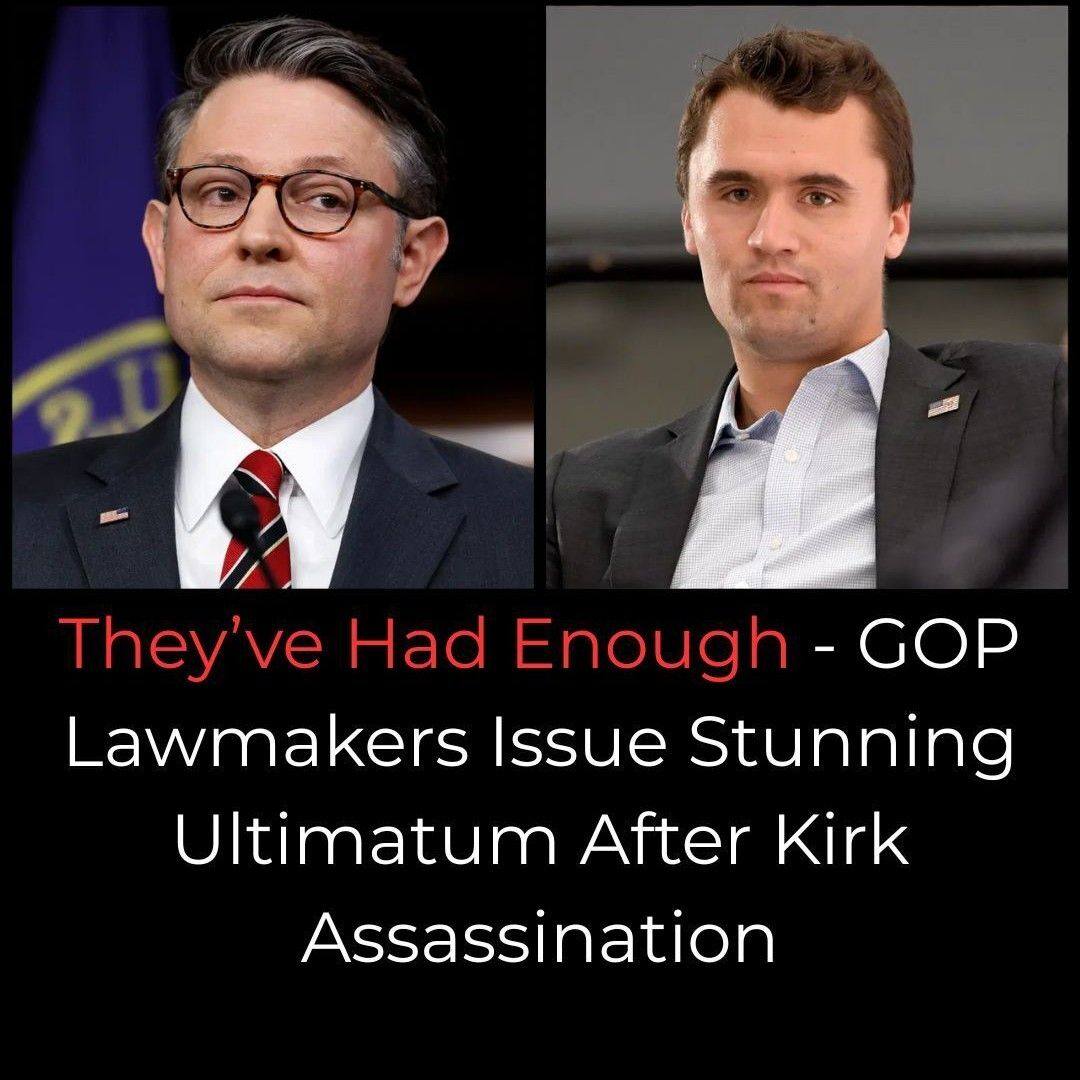
GOP Pushes for Inquiry Into Alleged Extremism After Shooting
Twenty-three House Republicans are calling for the creation of a special congressional committee to investigate what they describe as “radical left” networks in the wake of the assassination of conservative activist Charlie Kirk. The effort, spearheaded by Rep. Chip Roy of Texas, has already sparked heated debate on Capitol Hill, underscoring the deep divisions over how to confront political violence in America.
In a letter circulated this week, Roy and his colleagues argued that growing extremist influence poses “a direct threat to national stability.” The proposed committee would be empowered with subpoena authority, giving it the ability to compel testimony, demand internal documents, and trace financial support behind activist organizations. Roy framed the effort as a matter of transparency, telling reporters: “The American people deserve to know if coordinated networks are fueling the violence we are seeing. We cannot allow political assassination to become normalized.”
The Republicans’ focus includes Antifa and a constellation of affiliated groups long accused by conservatives of fomenting street unrest. Lawmakers also want to probe whether wealthy donors—individuals or foundations—have indirectly financed disruptive activism. The committee, they say, would function as a fact-finding body to determine whether the conditions that led to Kirk’s killing reflect a broader, organized pattern.
Kirk, a prominent right-wing activist and founder of Turning Point USA, was assassinated during a public appearance in Utah last month. The suspect, 22-year-old Tyler Robinson, was arrested at the scene and now faces charges of aggravated murder. While investigators have yet to establish Robinson’s full motives, the killing has reignited longstanding disputes over the nature and sources of political extremism in the United States.
For Republicans, Kirk’s death represents more than an isolated tragedy. Many see it as proof that conservative voices are increasingly endangered by escalating hostility from the far left. Supporters of the proposed committee argue that without a comprehensive inquiry, the nation risks ignoring the networks that may be emboldening violence. “This is about accountability,” said Rep. Elise Stefanik of New York, one of the co-signers. “We must understand who is funding and encouraging radicalism before more lives are lost.”
Democrats, however, are voicing skepticism. Several lawmakers warn that the committee could quickly devolve into a partisan weapon rather than a legitimate investigation. “We already have law enforcement agencies with the authority and expertise to track and prosecute violent actors,” said Rep. Jamie Raskin of Maryland. “Creating a politically charged committee risks targeting lawful dissent, blurring the lines between activism and criminality.”
Civil liberties groups have echoed those concerns, cautioning that vague definitions of “radical left” could sweep up peaceful protestors, community organizers, and nonprofits with no connection to violence. They argue that framing the issue in ideological terms risks inflaming tensions rather than resolving them.
Despite the criticism, Republican momentum is building. Party leaders have framed the proposed inquiry as a matter of national security, casting it in the same light as previous congressional investigations into terrorism and organized crime. “We cannot stand by while violent extremism takes root in our country,” Roy insisted. “This is about protecting democracy.”
Whether House leadership will advance the proposal remains unclear. Speaker Mike Johnson has acknowledged the calls for action but has not yet committed to forming the committee. For now, the debate reflects a deeper struggle over how America defines extremism—and who gets to investigate it.
As the political battle continues, one fact is undeniable: Charlie Kirk’s death has become more than a tragedy. It has become a rallying cry for Republicans determined to pursue what they see as hidden forces of political violence, even as critics warn of the dangers of turning grief into partisan conflict.