JOKE OF THE DAY: The Postcard That Changed Everything
The story follows a wealthy, married man whose carefully constructed life begins to unravel after he starts an affair with a woman from Italy. At first, their relationship is exciting and passionate, a secret indulgence that seems safely hidden from the public eye. But everything changes when the woman tells him that she is pregnant. The news sends a shock through him, not because he feels no affection, but because he fears the scandal that could destroy his marriage, his social standing, and his reputation.
Driven by panic and a need for control, he decides to handle the situation quietly. He offers the woman a large sum of money to return to Italy before the pregnancy becomes visible to anyone who might recognize her. Along with this payment, he promises to provide steady financial support for the child until adulthood, on one condition—that she raise the baby privately and never reveal his identity as the father. The arrangement, though cold, seems to him the only way to preserve his public image and keep his personal life intact.
The woman, hurt but practical, agrees to his terms. However, she asks how she should contact him once the baby is born. She insists that he deserves to know, even if their communication must remain secret. After a pause, he devises a simple plan meant to protect them both. He tells her to send a postcard with a single coded word written on it, a word that only he would understand.
He chooses “Spaghetti,” a word tied to her homeland and their private moments together. When she writes that word on a postcard, he explains, he will know that the child has been born. No names, no details, nothing traceable. It is, he believes, a foolproof method of communication.
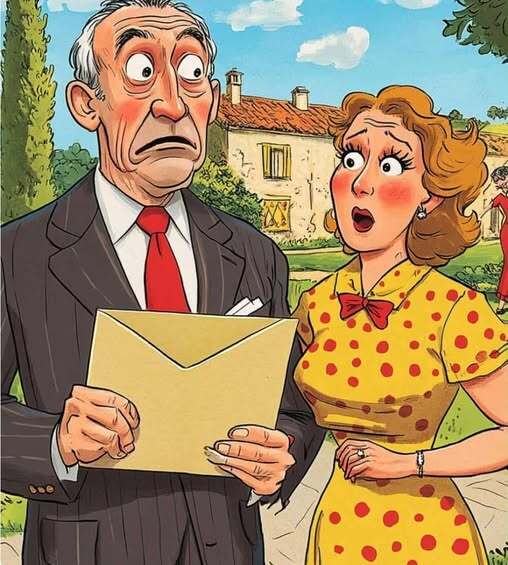
Months pass. The man continues his routine as if nothing has happened, convinced that the matter is safely handled. Then one afternoon, after returning from a business trip, he walks through his front door to find his wife standing in the living room, holding a postcard. Her expression is puzzled. The card, addressed to their home, bears a single word written in neat handwriting across the back: “Spaghetti.”
The man freezes. His wife looks up and asks, “Do you know what this means?” In that moment, the illusion of secrecy collapses. The very code he created to hide his affair has exposed him, and there is no way to explain the message without unraveling the truth he has worked so hard to conceal.
The story ends there, leaving readers suspended in the moment of revelation. We are not told what happens next—whether he confesses, invents a lie, or watches his life crumble under the weight of his deception. The irony is sharp and deliberate: the same plan that was meant to ensure secrecy becomes the instrument of exposure.
At its heart, the story is a commentary on deceit, pride, and the futility of trying to control consequences through manipulation. The man’s downfall is not caused by the affair itself but by his attempt to hide it. His coded word, chosen as a symbol of discretion, turns into a quiet confession. In the end, the reader is left with the image of a man standing helpless before the truth he tried so desperately to conceal, undone by his own cleverness.