How To Clean The Washing Machine So Clothes Come Out As Clean As Can Be
Have you ever pulled a full load of laundry out of the washer only to realize that your clothes don’t look, feel, or smell as clean as they should? You might assume the problem lies with the detergent, the water temperature, or just how dirty the clothes were to begin with. But there’s another common culprit that many of us overlook — the washing machine itself. Yes, the very appliance responsible for cleaning your clothes also needs to be cleaned regularly.

Over time, detergent residue, fabric softener buildup, dirt, and even mold can accumulate inside your washer. This grime not only makes your clothes less fresh but can also lead to unpleasant odors that linger long after the cycle ends. Fortunately, giving your washing machine a deep clean is easier than you might think, and it doesn’t require any fancy products. All you need are a few simple household ingredients.
Let’s start with the tub, the main part of the washing machine. To disinfect and give it a thorough clean, pour one or two cups of distilled white vinegar directly into the drum. Set your machine to the hottest water temperature and select a long wash cycle. Running an empty cycle with vinegar helps dissolve soap scum, kill bacteria, and loosen any buildup that’s hiding in the corners of your washer. Vinegar’s natural acidity does the heavy lifting without the harshness of chemical cleaners.
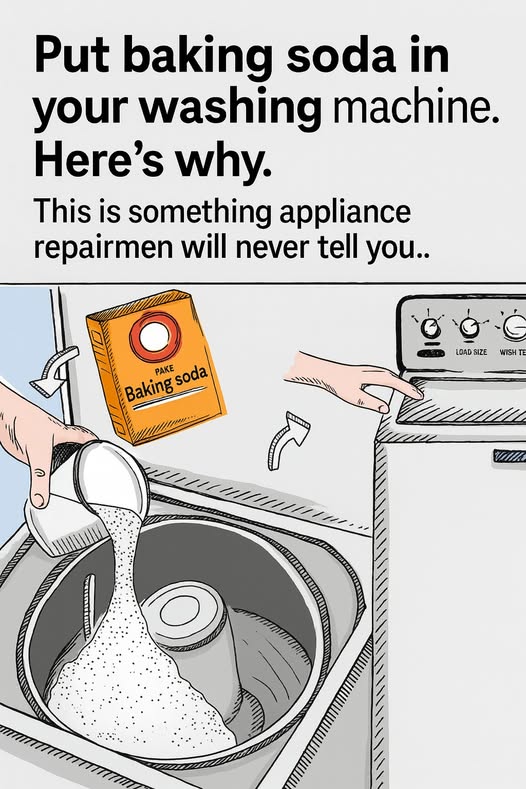
Once that cycle is complete, you’ll want to give your washer a follow-up rinse with baking soda. Sprinkle about a cup of baking soda into the drum and run another empty hot cycle. This step helps neutralize any lingering vinegar smell while also scrubbing away remaining residue. Baking soda is a gentle, natural abrasive that deodorizes your machine and leaves it smelling fresh.
After cleaning the drum, it’s time to focus on the smaller areas that often get ignored. The detergent and fabric softener compartments, the lid or door rim, and any crevices around the gasket are prime spots for buildup and mold. Mix a small amount of baking soda and vinegar into a paste, or use a diluted bleach solution if you prefer a stronger disinfectant. Using an old toothbrush or small scrub brush, carefully clean these areas, paying attention to hidden corners where residue tends to collect. Once everything is scrubbed, wipe the surfaces down with a damp cloth to remove any remaining cleaner.
If your washing machine has a rubber seal around the door, especially in front-loading models, make sure to gently pull it back and clean underneath. This is where moisture can collect, creating the perfect environment for mildew. Regularly wiping this area dry after each use can prevent mold growth between deep cleans.
To keep your washer in top shape, experts recommend performing this deep cleaning routine about once a month, or at least every few months if you do laundry less frequently. In between, leave the lid or door slightly open after each load to let the inside dry out completely. This simple habit helps prevent the musty smell that sometimes lingers in machines that stay damp.
By taking just a little time to care for your washing machine, you’ll extend its lifespan, improve its performance, and ensure that your clothes come out smelling fresh and truly clean. A well-maintained washer doesn’t just make laundry day easier — it makes your whole home feel fresher too.