Nobody Knew What This Strange Glass Dumbbell Was
Have you ever come across an object and had absolutely no idea what it was supposed to be? Moments like that can be surprisingly unsettling. At first, it feels like a simple puzzle, a harmless curiosity. But the longer you stare at the object, the more questions start to form. You begin wondering not only about the item itself, but about the people who used it, the habits it belonged to, and the world it once made sense in.
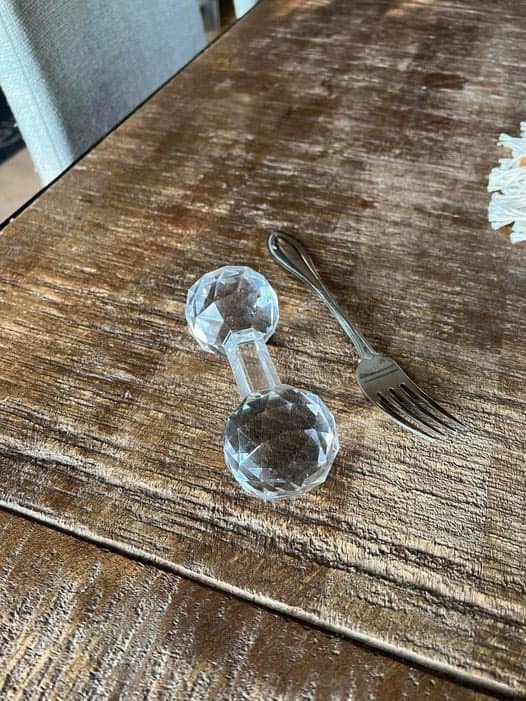
That is exactly what happened recently when someone was visiting their in laws and noticed something unusual tucked among the butter dishes. It was small, oddly shaped, and clearly intentional, yet it did not resemble any kitchen utensil they recognized. It did not scoop, slice, or spread. It looked decorative but also functional. No one in the house could explain it, and it seemed out of place in a modern kitchen filled with familiar tools.
Curiosity eventually won. The finder took the mystery to the Internet, posting photos and asking strangers for help. As often happens online, the guesses came quickly and creatively. One person suggested it might be a novelty item, joking that it looked like a bone meant for a glass dog. Others floated ideas that ranged from decorative trinkets to children’s toys. One theory even suggested it could be a baby dumbbell, an answer that was more amusing than convincing.
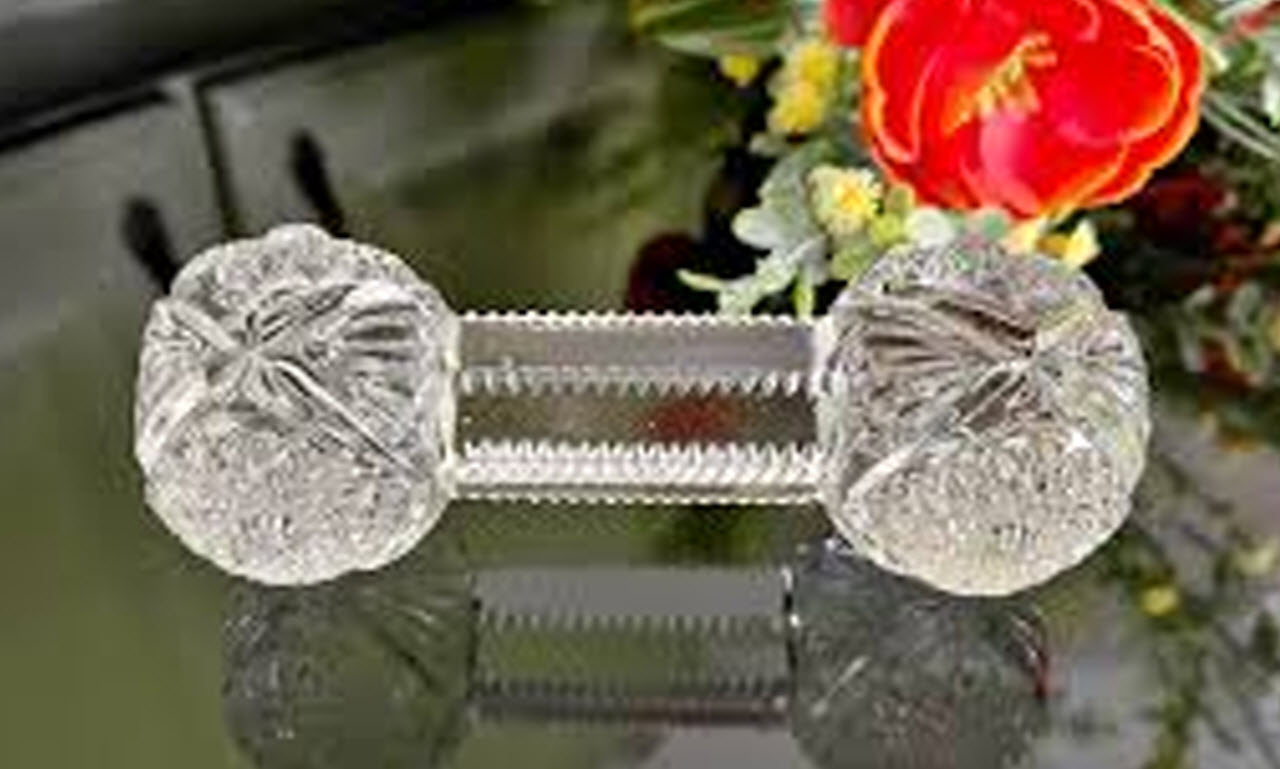
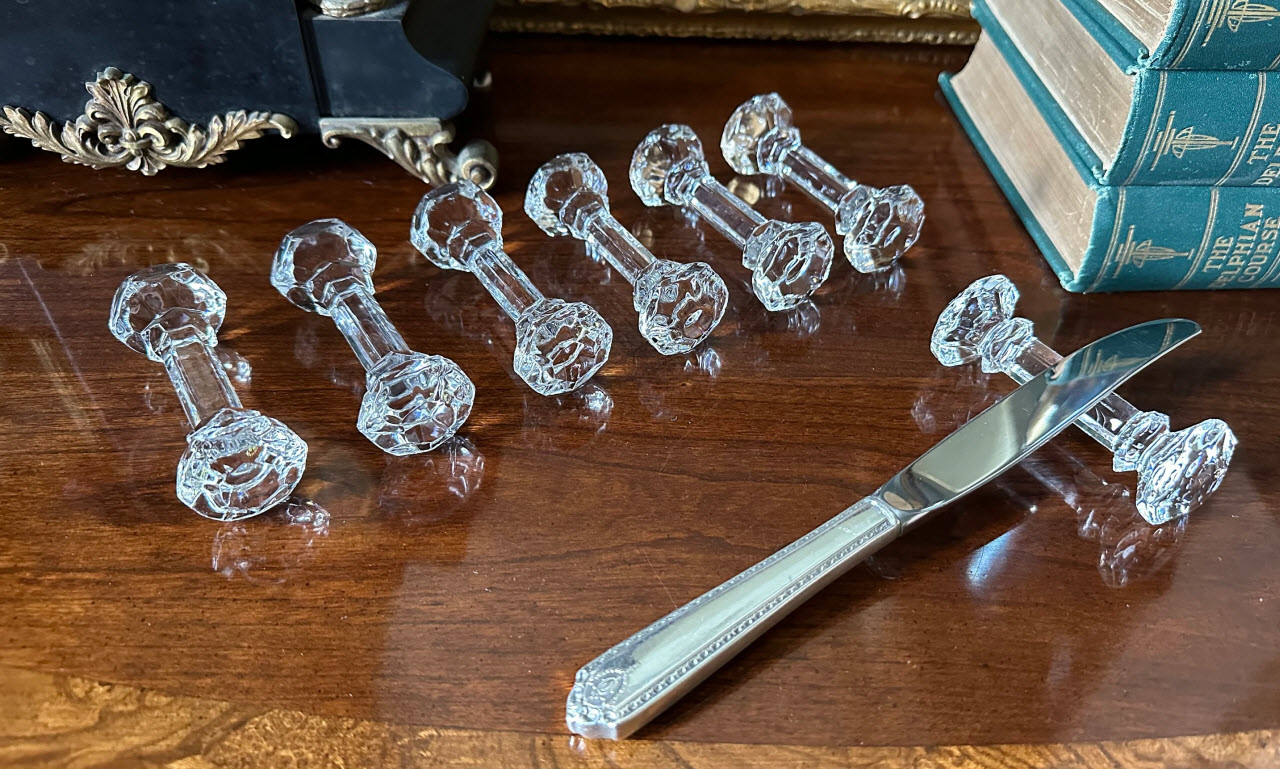
The real answer, however, was far more grounded in history. The object turned out to be a knife rest, a dining accessory that dates back more than one hundred years. At a time when formal dining was common and table settings were elaborate, knife rests served a specific and practical purpose. After using a knife, diners would place it on the rest rather than directly on the tablecloth or table surface. This kept linens clean and prevented sauces or food residue from spreading.
Understanding its function adds a new layer of appreciation. The knife rest was not flashy or essential, but it reflected a level of care and intention that defined formal meals of the past. Tables were not just places to eat. They were spaces of ritual, etiquette, and presentation. Every item had a role, and even something as small as resting a knife had its own solution.
One person online recognized the object immediately and shared that her grandmother owned several knife rests. According to her, they were brought out during elegant dinners, especially when guests were invited. Their presence signaled effort and hospitality. They were part of a tradition, one that emphasized manners and shared experience as much as the food itself.
Over time, customs like this quietly faded. Changes in lifestyle, faster meals, and simpler table settings made items like knife rests unnecessary. They were not replaced. They were simply forgotten. What once felt normal now feels strange, even humorous, to modern eyes.
The brief confusion over the object highlights how quickly everyday practices can disappear. What seems obvious in one generation can become a mystery in the next. Tools that once held meaning lose their context, turning into curiosities tucked away in cabinets and drawers.
We live in a world that is constantly changing, sometimes so fast that we barely notice what gets left behind. Some changes bring convenience and efficiency. Others quietly erase traditions that once shaped daily life. At least now, when encountering this small and puzzling object, there is clarity. It is not a toy or a joke. It is a reminder of how people once gathered, dined, and cared about the smallest details of being together.