If You Drool While Sleeping Often, Check for These 6 Possible Causes 🩺💤
Why Nighttime Drooling Can Signal More Than Just Deep Sleep
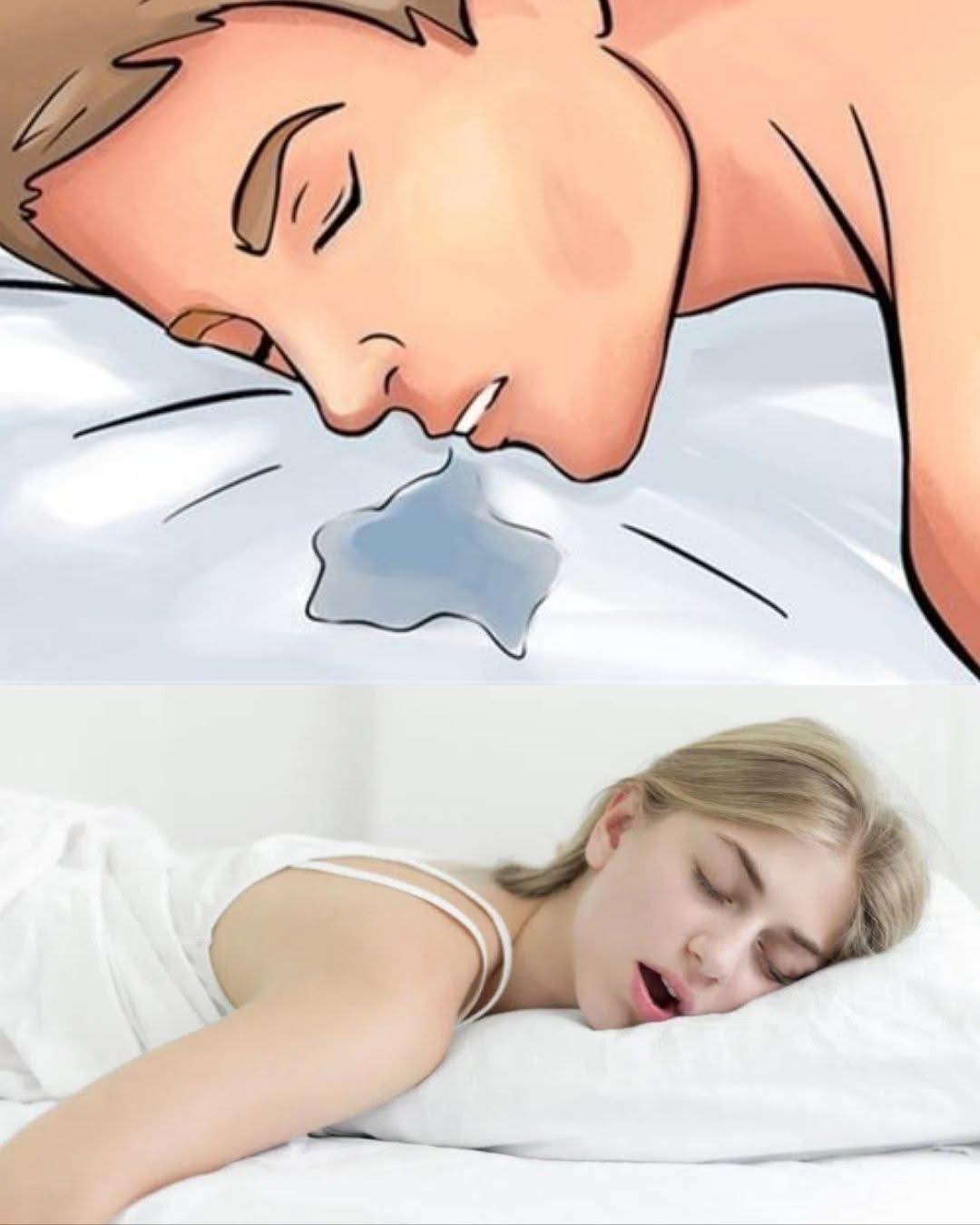
Occasional drooling during sleep is extremely common and usually harmless. However, when drooling becomes new, excessive, or noticeably one sided, it can be an important signal from your nervous system, airway, digestive tract, or oral health. Understanding the possible causes allows you to respond appropriately and, when needed, protect your health early.
Neurological Disorders
Certain neurological conditions can weaken facial muscles or interfere with swallowing. Stroke, Bell’s palsy, Parkinson’s disease, ALS, and similar disorders may cause saliva to pool in the mouth and escape during sleep, often on one side.
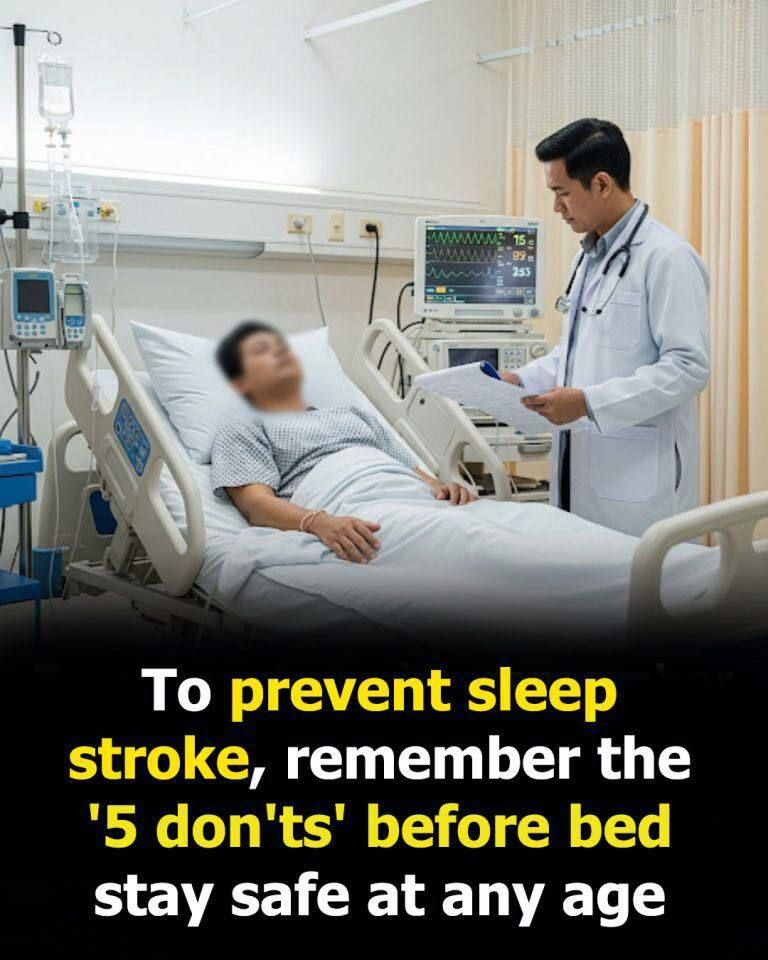
Warning signs to watch for include facial drooping, slurred speech, weakness on one side of the body, and difficulty swallowing. If you notice sudden one sided drooling along with any of these symptoms, seek emergency medical care immediately. This combination can signal a stroke and requires urgent treatment.
Sleep Apnea and Chronic Nasal Congestion
Blocked nasal passages force mouth breathing during sleep. Allergies, a deviated septum, sinus infections, or chronic congestion dry the mouth, which triggers the body to produce extra saliva as compensation. When sleep muscles relax, that excess saliva can overflow as drooling.
Clues include loud snoring, daytime fatigue despite a full night of sleep, and waking with a dry or irritated throat. Treating congestion, managing allergies, and considering a sleep study can significantly reduce symptoms and improve overall sleep quality.
Gastroesophageal Reflux Disease
Nighttime acid reflux can irritate the esophagus and throat. In response, the body produces extra saliva, a phenomenon known as water brash, to neutralize the acid. This excess saliva often leads to drooling during sleep.
Common signs include heartburn, a sour taste at night, chronic cough, and symptoms that worsen when lying flat. Elevating the head of the bed, avoiding late meals, and limiting acidic or spicy foods before sleep can help control reflux.
Oral and Throat Infections
Inflammation in the mouth or throat can stimulate salivary glands. Gingivitis, tonsillitis, pharyngitis, and dental abscesses often increase saliva production as the body attempts to soothe irritated tissues.
Watch for sore throat, swollen or bleeding gums, persistent bad breath, and pain when swallowing. Proper dental or medical treatment typically resolves the drooling once the infection clears.
Medication Side Effects
Some medications directly stimulate salivary glands. These include certain antipsychotics such as clozapine, cholinesterase inhibitors used for Alzheimer’s disease, and medications like pilocarpine prescribed for dry mouth.
If drooling begins after starting a new medication, review your prescriptions with your doctor or pharmacist. Adjustments can often reduce this side effect.
Neurodegenerative and Neuromuscular Conditions
Conditions such as Parkinson’s disease, cerebral palsy, and myasthenia gravis affect muscle control and swallowing reflexes. This causes saliva to pool and leak, frequently both during the day and at night. Symptoms typically progress gradually and include tremors, stiffness, slow movement, and fatigue while chewing.
When Drooling Is Usually Not a Concern
Drooling is often harmless if it has always occurred occasionally, happens only when sleeping on your side or stomach, or accompanies temporary congestion from a cold or allergies. Absence of other neurological or systemic symptoms is reassuring. Simple steps such as changing sleep position, staying hydrated, and maintaining good dental hygiene often help.
When to See a Doctor
Consult a healthcare provider for sudden new drooling, drooling only on one side, facial weakness, numbness, speech changes, difficulty swallowing, choking, or excessive drooling during the day.
Final Thought
Your body communicates through symptoms to protect you. Most drooling is benign, but when patterns change, paying attention matters. Sometimes a small sign, like a damp pillow, becomes the first clue that leads to life saving care.