So this is what it does, here is the answer
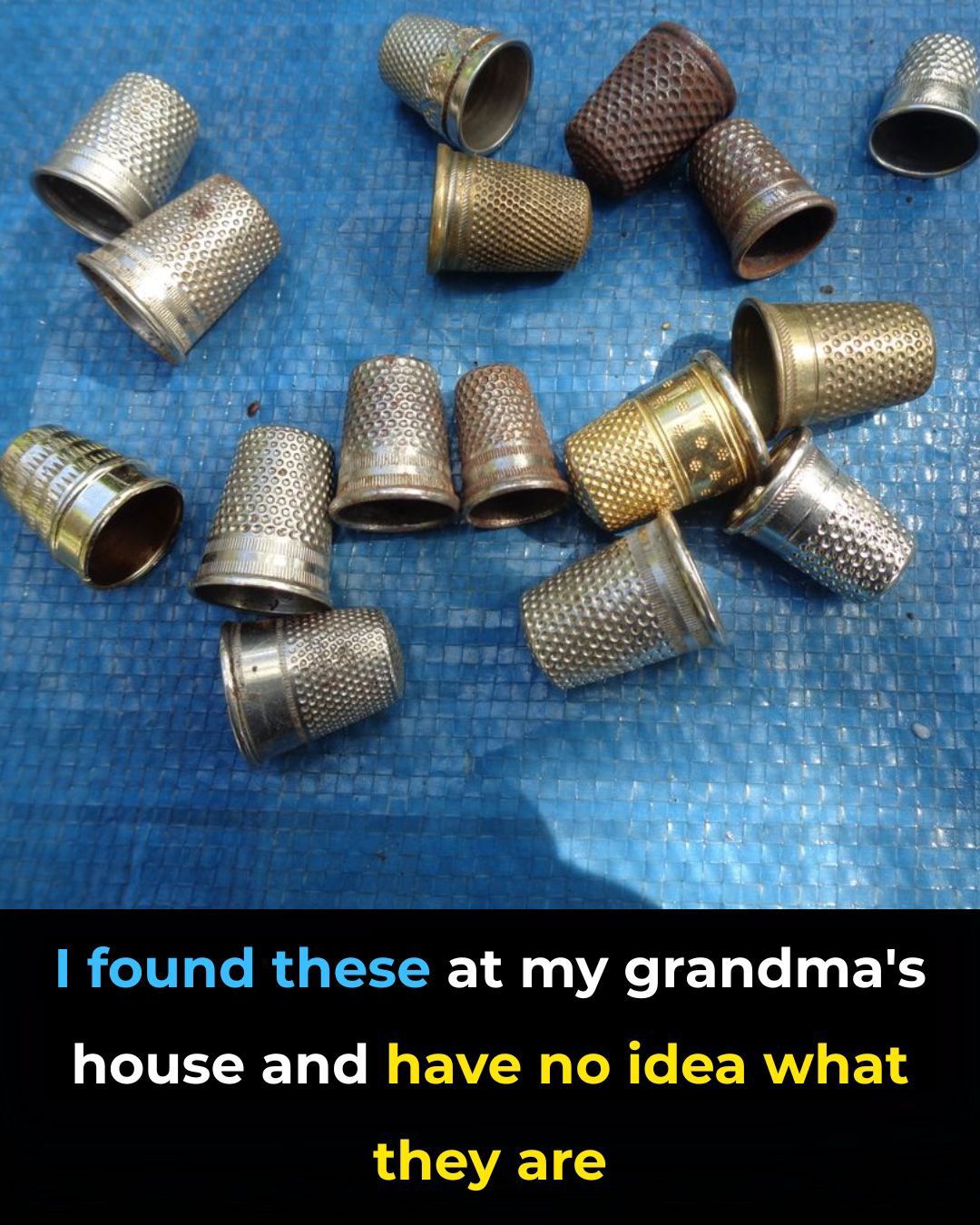
Thimbles are small yet essential tools in the world of hand sewing. Typically made from metal, plastic, leather, or resin, they are worn on the finger, most often the middle finger or thumb, to protect the skin from being punctured by a sewing needle while pushing it through fabric. By providing a firm surface against which the needle can be pressed, a thimble allows the user to apply greater force with less discomfort, making it easier and safer to sew, especially when working with thick, dense, or layered materials.
Over time, thimbles have evolved from purely functional objects into tools that also reflect craftsmanship and personal style. They are available in a wide range of shapes, sizes, and designs, with many featuring decorative engravings, colorful finishes, or textured surfaces that help grip the needle more effectively. Although early thimbles were commonly made from leather, modern versions are most often produced from metal due to its durability. The word thimble originates from the term thumb bell, reflecting how the earliest versions were designed to be worn on the thumb.
The history of thimbles stretches back thousands of years. Archaeological evidence shows that they were used in ancient civilizations such as China and the Roman Empire. Early thimbles were crafted from materials including bone, bronze, and ivory, and were considered valuable household possessions. As sewing was essential for producing clothing and household goods, the thimble became an indispensable item in daily life.
During the sixteenth and seventeenth centuries in Europe, thimbles gained additional cultural significance. Wealthier families often commissioned thimbles made from precious metals such as silver and gold, sometimes decorated with gemstones or intricate engravings. These luxurious thimbles were not only practical tools but also symbols of status and wealth. They were frequently given as gifts and passed down through generations as treasured heirlooms, demonstrating the high regard in which sewing and craftsmanship were held.
The primary purpose of a thimble remains the protection of the finger during sewing, but its benefits extend beyond simple safety. Thimbles make it much easier to push needles through thick fabric, leather, or multiple layers of material. They help prevent painful puncture wounds that can occur during long hours of sewing, which is especially important for tailors, quilters, and leatherworkers. By stabilizing the needle and the hand, a thimble also improves speed and accuracy, allowing for greater control and more precise stitches. For specialized crafts such as embroidery, beadwork, and quilting, uniquely designed thimbles provide additional support for the fine and repetitive movements involved.
There are many types of thimbles designed to suit different tasks and personal preferences. The closed top thimble is the traditional design and offers full protection for the fingertip, making it ideal for general sewing. The open top thimble, often called a tailor’s thimble, leaves the fingertip exposed, providing more flexibility and accommodating long fingernails. Leather thimbles are soft and comfortable, making them especially suitable for beginners or delicate fabrics. Adjustable ring thimbles resemble small metal bands with textured ridges and are worn lower on the finger, often favored by quilters. Some quilting thimbles combine leather with a built in metal plate to withstand the repetitive force required for thick layers.
Thimbles are produced from various materials chosen for durability, comfort, and function. Metals such as steel, brass, copper, and silver are common and well suited for heavy duty sewing. Plastic and resin thimbles are lightweight and affordable, offering a gentler alternative for casual or general sewing. Together, these variations ensure that nearly every sewing task can be supported by the right type of thimble, making this small tool an enduring and indispensable companion for needlework across cultures and centuries.