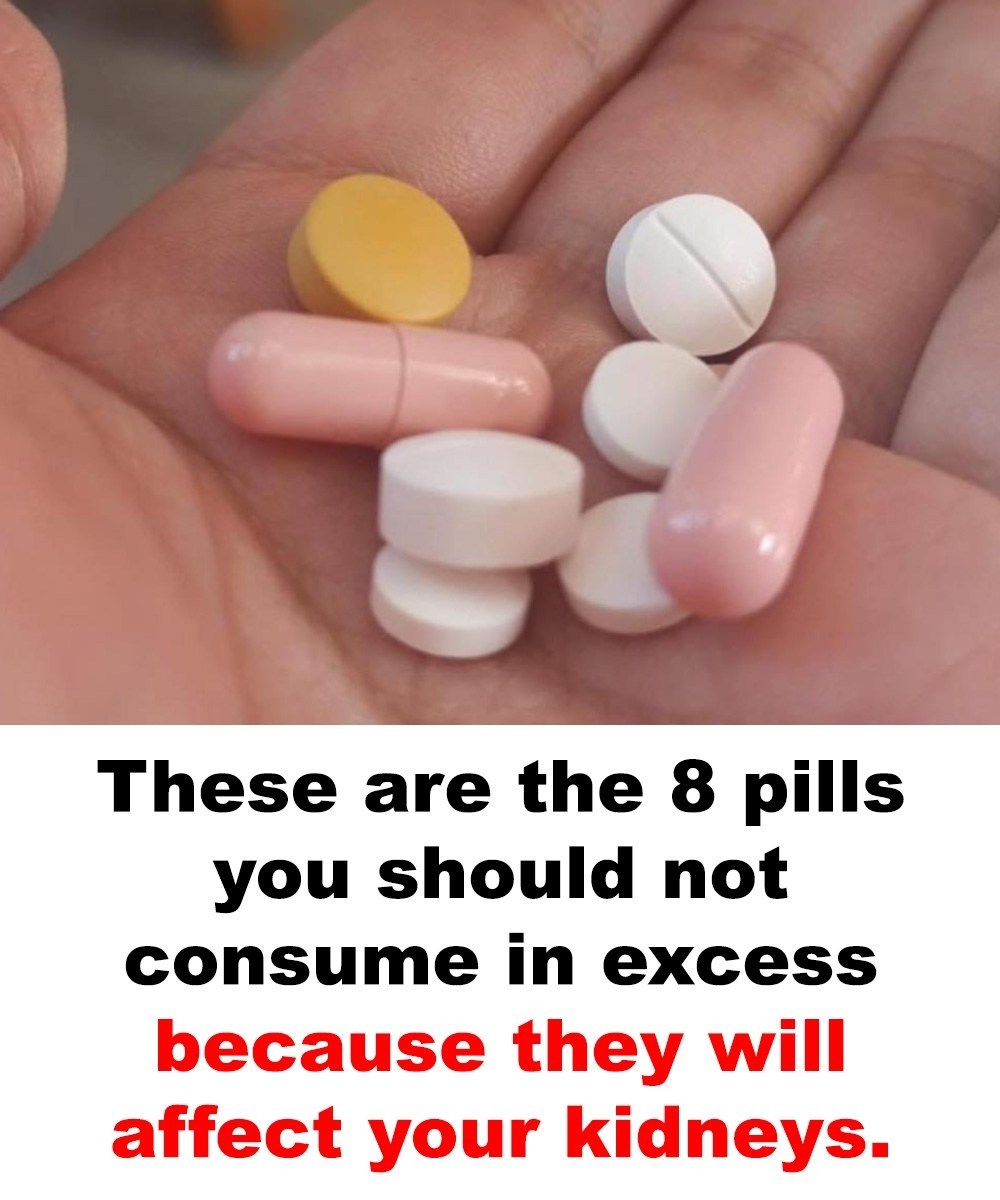
Eight pills that should not be consumed because they affect the kidneys
Eight Pills That Should Not Be Consumed Frequently Because They Affect the Kidneys
Over the years, the use of medications in pill form has increased significantly. While these medicines play an essential role in treating illness, relieving symptoms, and improving quality of life, they can also carry serious risks when used improperly or too often. One of the most vulnerable organs affected by long term or excessive medication use is the kidney.
The kidneys are responsible for filtering toxins, balancing fluids, regulating electrolytes, and removing waste from the bloodstream. When their function becomes impaired, the entire body suffers. This is why it is extremely important to understand which medications place the greatest strain on kidney health and why caution should always be exercised.
Below are eight categories of medications that experts warn should not be taken frequently without strict medical supervision due to their potential impact on kidney function.
Lithium
Lithium is commonly prescribed to treat bipolar disorder and certain mood conditions. Although it is highly effective, long term use can damage kidney tissue and gradually reduce the kidneys ability to concentrate urine. This may lead to chronic kidney disease if not carefully monitored through regular blood tests.
Chemotherapy medications
Many chemotherapy drugs are known for their toxic effects on kidney cells. Medications such as interferons, pamidronate, cisplatin, carboplatin, cyclosporine, tacrolimus, quinine, mitomycin C, and bevacizumab can severely impair kidney filtration. These treatments are often life saving, yet they require continuous monitoring of kidney function before, during, and after therapy.
Propylthiouracil
This medication is prescribed to treat hyperthyroidism and other thyroid related disorders. While effective, it can trigger immune reactions that damage kidney tissue, potentially leading to inflammation and decreased kidney efficiency over time.
Heartburn relief medications
Proton pump inhibitors such as omeprazole, lansoprazole, pantoprazole, rabeprazole, and esomeprazole are widely used for acid reflux and stomach ulcers. Long term or unnecessary use of these drugs has been associated with kidney inflammation and chronic kidney disease. Because they are often available without prescription, many people take them far longer than recommended.
Antiviral medications
Certain antivirals place heavy stress on kidney filtration systems. Acyclovir, commonly used to treat herpes infections, and indinavir and tenofovir, which are prescribed for HIV treatment, can crystallize in the kidneys or cause direct toxicity, leading to impaired kidney performance.
Captopril
Captopril is frequently used to control high blood pressure and treat heart failure. While helpful, improper dosing or use in patients with pre existing kidney disease can worsen kidney function and disturb electrolyte balance.
Bone and joint medications
Drugs such as infliximab for arthritis, as well as chloroquine and hydroxychloroquine for malaria and autoimmune diseases, may cause inflammatory kidney reactions in certain patients. These reactions can interfere with filtration and result in long term complications.
The importance of medical supervision
None of these medications should ever be taken casually or without professional guidance. Doctors regularly monitor kidney function through blood and urine tests when prescribing these treatments, adjusting dosages to reduce harm whenever possible. Patients should never self medicate, extend treatment periods, or combine medications without consulting a healthcare provider.
Protecting kidney health is essential for maintaining overall wellness. Staying hydrated, following prescribed doses, attending regular medical checkups, and reporting unusual symptoms promptly can significantly reduce the risk of medication related kidney damage.
Understanding how medications interact with your kidneys empowers you to make safer, more informed health decisions and preserve the vital functions that keep your body in balance.