Strange Seed-Like Objects in Your Bed? Here’s the Surprising Truth!
Strange Seeds in Your Bed? It Could Be a Sobakawa Surprise
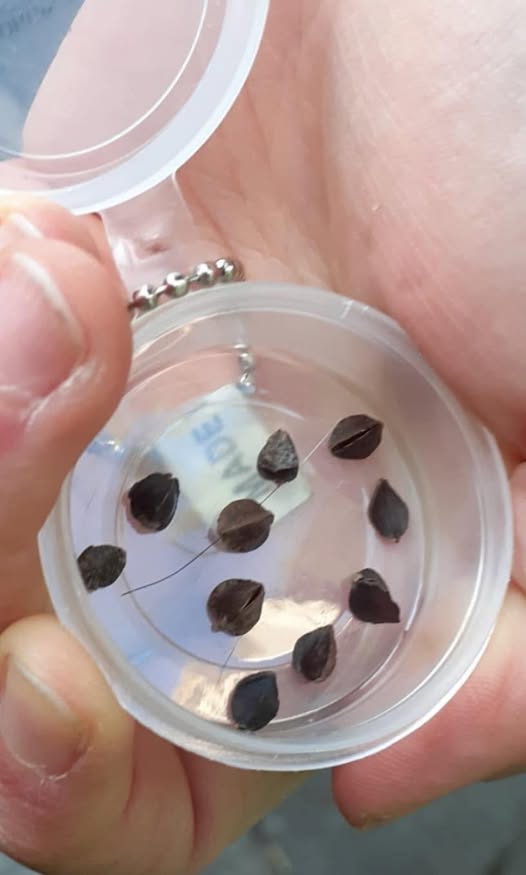
Finding small seed like pieces scattered across a bed, couch, or floor can be unsettling. When those pieces appear in someone else’s room, the confusion only grows. Are they bugs. Plant matter. Something alive. Before imagining the worst, there is a very simple and surprisingly nostalgic explanation. What you may be seeing are the contents of a Sobakawa pillow.
Sobakawa pillows are filled with buckwheat hulls, which are the hard outer shells of buckwheat seeds. These hulls are cleaned, dried, and packed into a fabric pillowcase to create a firm yet flexible sleeping surface. Unlike traditional pillows that are stuffed with cotton, feathers, or foam, buckwheat pillows mold to the shape of the head and neck, offering customized support while remaining breathable and cool.
This style of pillow originated in Japan centuries ago and has long been valued for its durability and health benefits. The hulls allow air to circulate freely, which helps regulate temperature and reduce heat buildup during sleep. Many people who struggle with neck pain, headaches, or overheating at night find these pillows especially comfortable.
If you notice buckwheat hulls in unexpected places, it usually means the pillow’s fabric has worn thin or developed a small tear. Because the hulls are light and smooth, they escape easily and spread across sheets, clothing, and flooring. Their small size and seed like appearance often cause concern at first, especially for anyone unfamiliar with buckwheat pillows.
Fortunately, the hulls themselves are completely harmless. They do not attract pests, they do not reproduce, and they do not pose any health risk. They are simply agricultural byproducts doing their job as pillow filling. The solution is usually as simple as checking the pillow for holes and either stitching the seam closed or replacing the pillowcase. Many buckwheat pillow users keep a zippered protective cover over the pillow for exactly this reason.
Sobakawa pillows experienced a huge surge in popularity in the late nineteen nineties and early two thousands thanks to late night television advertising. Commercials promised better sleep, improved posture, reduced snoring, fewer headaches, and cooler nights. While not everyone experienced dramatic results, millions of people purchased them and many remain loyal users today.
Part of the appeal is the sound and feel of the pillow itself. As you move, the hulls gently shift and settle, creating a quiet rustling noise that some people find soothing. The firmness also encourages better spinal alignment, especially for side and back sleepers.
So when those mysterious little pieces appear, what looks like a problem may actually be a forgotten comfort item from another era making itself known. Buckwheat pillows are still widely sold today and are especially popular among people who prefer natural bedding materials and firmer sleep surfaces.
In a strange way, finding buckwheat hulls is a reminder that comfort trends come and go, but good design tends to stick around. The Sobakawa pillow has endured because it works. It is simple, effective, and deeply connected to centuries of sleep tradition.
Just make sure the seams are secure, unless you want your home slowly turning into a very quiet, very unexpected grain field.