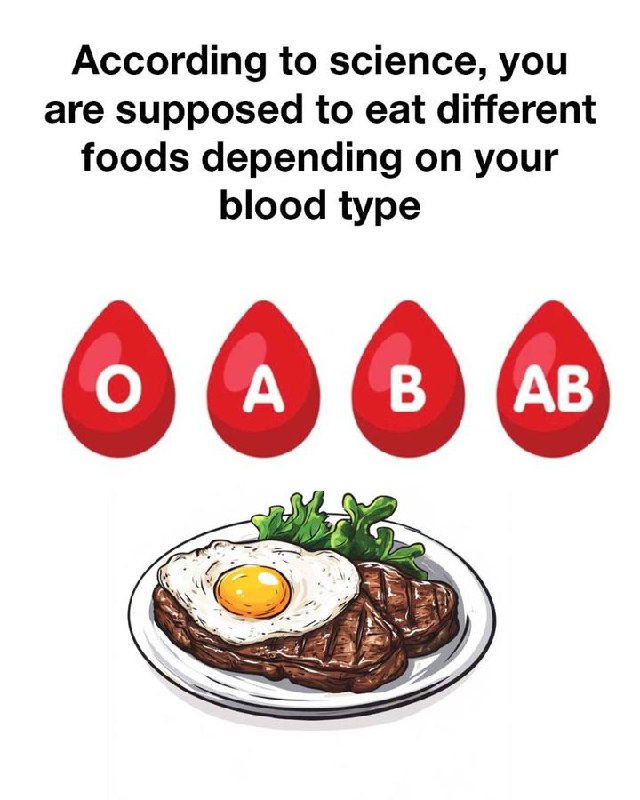
This is the first time I’m hearing about this but it makes sense!
The Blood Type Diet is a nutritional plan based on the idea that your blood type—the classification of your blood based on the presence or absence of antigens—can determine the most beneficial foods for your body.
Proponents of this theory argue that eating specific foods that resonate with your blood type can improve your overall health and well-being. The concept suggests that blood type influences digestion, metabolism, and susceptibility to diseases, thus different blood types have unique dietary needs.
History and Origin of Blood Type DietThe Blood Type Diet was popularized by Dr. Peter J. D’Adamo, a naturopathic physician, in his 1996 book ‘Eat Right 4 Your Type’. Dr. D’Adamo built on research initially conducted by his father, Dr. James D’Adamo, who observed that individuals responded differently to certain foods and treatments. The diet’s foundation is a combination of ancestral history, evolutionary theories, and current medical knowledge, proposing that blood type reflects genetic traits from our ancestors and thus dictates the optimal diet for health
Understanding Blood Types and Their Characteristics.
There are four primary blood types: A, B, AB, and O. Each blood type has distinct characteristics based on its unique antigens. Blood type A is known for its A antigens and lack of B antigens. Blood type B has B antigens and lacks A antigens. AB has both A and B antigens, making it the universal recipient, while type O lacks both A and B antigens, making it the universal donor. Understanding these differences is crucial in the context of blood transfusions and also forms the basis for the dietary guidelines proposed in the Blood Type Diet.
Scientific Basis for Blood Type-Based Food Recommendations
The scientific basis for the Blood Type Diet is still debated within the scientific community. Dr. D’Adamo suggests that the different antigens in each blood type react uniquely with certain nutrients, thus specific foods can either be beneficial or harmful depending on one’s blood type. Lectins, a type of protein found in foods, are said to bind differently with the antigens in each blood type, affecting digestion and health. However, comprehensive scientific evidence validating these claims remains limited, and the theory is often viewed with skepticism by many researchers.
Blood Type O: Recommended and Avoided Foods
Type O individuals, characterized by the oldest blood type in evolutionary history, are recommended to eat a high-protein diet primarily rich in meats, vegetables, fish, and fruits. Foods to avoid include grains, legumes, dairy products, and certain fruits like melons and oranges. This diet supports the theory that type O individuals have higher stomach acid levels, making them well-suited to digest animal proteins more efficiently.
Benefits of Adhering to a Blood Type Diet
Adopting a Blood Type Diet may lead to various health benefits according to its proponents, including improved digestion, increased energy levels, and better weight management. Since the recommendations emphasize whole, unprocessed foods and the avoidance of typically problematic foods (such as excessive sugars and unhealthy fats), many people report feeling healthier and experiencing fewer digestive issues.
Criticisms and Controversies Surrounding Blood Type Diets
The Blood Type Diet has garnered significant criticism from nutritionists and medical experts due to the lack of robust scientific evidence to support its claims. Critics argue that there’s insufficient research demonstrating that blood type significantly affects dietary needs. Furthermore, some studies have found no solid link between blood types and food reactions, deeming the diet too restrictive and potentially imbalanced if not carefully planned.
Current Research and Future Directions
Current research on the Blood Type Diet is limited and often inconclusive. While some small studies claim minor connections between blood types and certain health outcomes, large-scale, peer-reviewed research is required to validate these findings. Future directions in this area may include more comprehensive studies examining the interplay between blood types, genetic markers, and diet, providing a clearer picture of whether blood type should indeed dictate our nutritional choices.