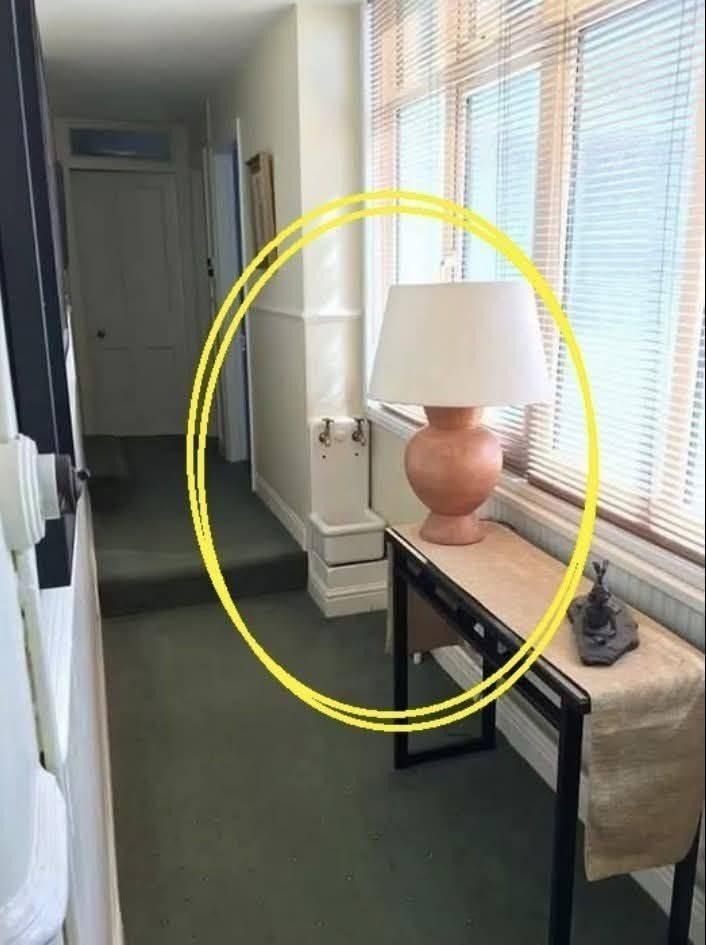
The Mystery of the Tiny Hallway Sink: Why Old Homes Had These Odd Fixtures
If you’ve ever wandered through an older home, you may have stumbled upon a peculiar feature: a small sink tucked away in a hallway, stairwell landing, or even under a staircase. These tiny sinks often no larger than a breadbox are remnants of a bygone era and serve as fascinating clues to the lifestyle and practical needs of past generations. While they might seem odd or unnecessary today, these diminutive fixtures were once highly functional and strategically placed. Let’s dive into the mystery of the tiny hallway sink and uncover why old homes had these quirky features.
1. The Origins of the Tiny Sink
Tiny hallway sinks first appeared in homes during the late 19th and early 20th centuries, when indoor plumbing became more widespread. These compact fixtures were often installed in areas outside of kitchens or bathrooms for specific purposes, reflecting the household routines and social norms of the time.
2. Practical Uses of Hallway Sinks
While modern homeowners might find them puzzling, these petite sinks served several important functions:
A. Handwashing Convenience
What It Was For: Before running water was standard in every bathroom, hallway sinks provided a convenient place for handwashing.
Why It Mattered: In an age before antibacterial soap and hand sanitizers, frequent handwashing was essential for hygiene. Hallway sinks allowed family members and guests to clean their hands after outdoor activities, gardening, or handling pets before entering living spaces or dining areas.
B. Staff and Servant Use
What It Was For: In large homes with live-in staff, hallway sinks were often used by servants or housekeepers.
Why It Mattered: Servants could wash their hands or rinse cleaning tools without needing to enter private bathrooms or kitchens, maintaining a separation between service areas and family spaces.
C. Flower Arranging and Gardening
What It Was For: Hallway sinks were ideal for filling vases, trimming flowers, or washing muddy hands and boots after tending to gardens.
Why It Mattered: Many older homes featured elaborate floral arrangements, and having a dedicated sink near entryways or staircases made it easier to prepare fresh blooms.
D. Laundry and Cleaning
What It Was For: Some hallway sinks were used for small-scale laundry tasks, such as soaking delicate fabrics or rinsing cleaning rags.
Why It Mattered: Without modern washing machines, these sinks provided a secondary location for quick cleaning jobs.
3. Architectural Trends and Social Norms
The placement and design of hallway sinks were influenced by the architecture and etiquette of the time:
A. Separation of Spaces
In grand Victorian and Edwardian homes, there was a strong emphasis on separating public and private spaces. A hallway sink allowed people to tidy up discreetly before entering formal rooms like parlors or dining rooms.
B. Compact Design
The small size of these sinks reflected the limited space available in hallways or landings. Builders prioritized functionality over luxury, creating utilitarian fixtures that blended seamlessly into narrow spaces.
C. Status Symbol
Installing a sink in a hallway was also a subtle display of wealth and modernity. Indoor plumbing was still a luxury in many households, so having multiple water sources throughout the home signaled affluence and sophistication.
4. Why Did They Disappear?
As times changed, so did the need for hallway sinks: