What It Means When a Deceased Person Speaks to You in a Dream
A Reflection of Unresolved Emotions
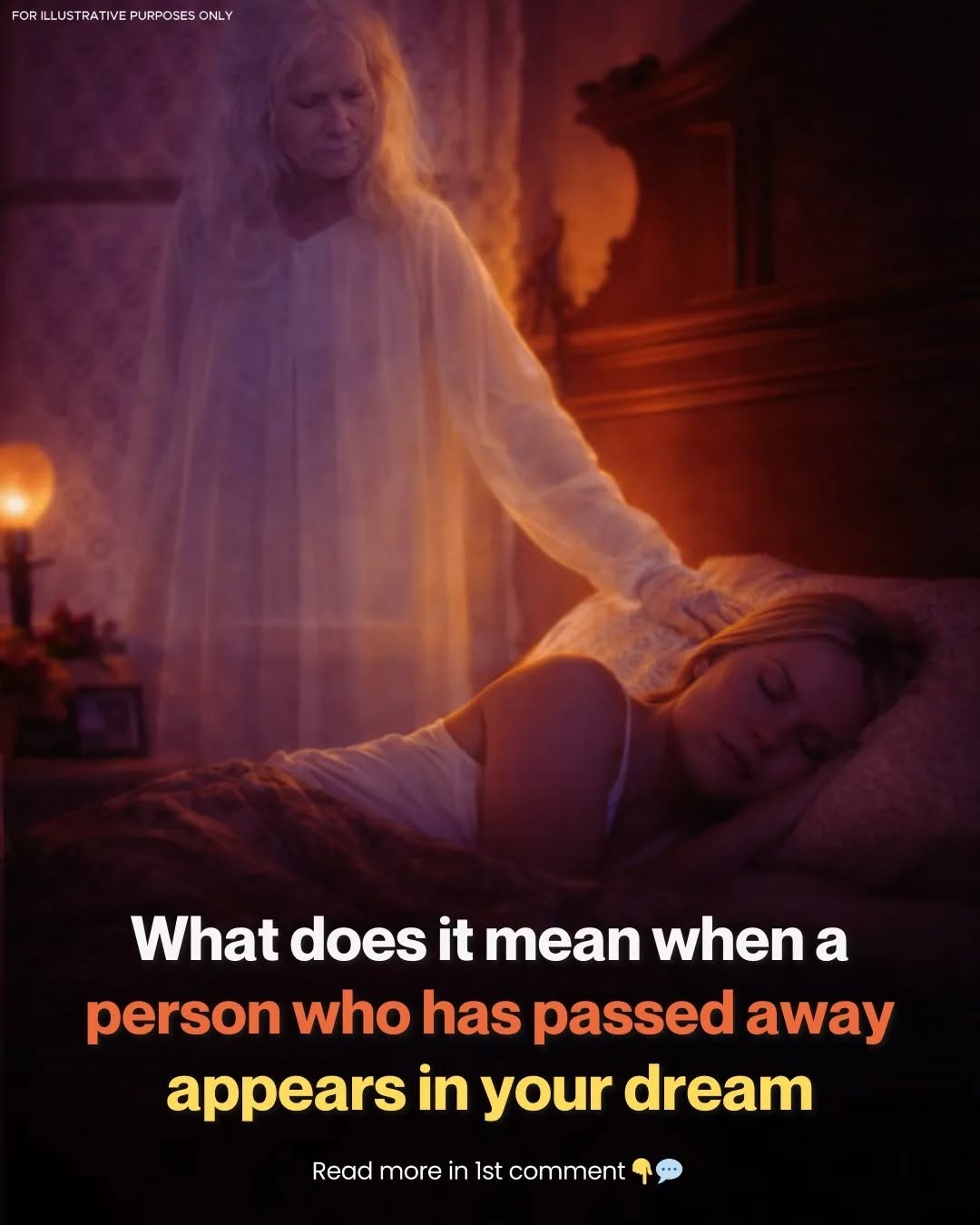
One of the most common interpretations is that these dreams reflect unresolved feelings connected to the person who has passed away. The mind often uses dreams as a safe space to process grief, regret, guilt, or words left unsaid. When the deceased speaks in a dream, it may symbolize your own inner voice expressing emotions you never fully confronted while they were alive. Their words can mirror what you wish you had heard—or what you need to hear now in order to find peace.
The Mind’s Way of Seeking Closure
Dreams of the deceased speaking can also serve as a form of emotional closure. If the loss was sudden, traumatic, or emotionally complex, the subconscious may create dialogue as a way to complete unfinished conversations. In this sense, the dream is not about the dead person communicating, but about your mind working through acceptance and healing. The conversation may help you forgive, release lingering pain, or move forward.

A Symbol of Guidance or Reassurance
Many people report that the deceased speaks gently, offers advice, or provides reassurance in dreams. From a psychological perspective, this often represents internalized wisdom. Loved ones who shaped your values, decisions, or sense of safety may continue to “guide” you through your own thoughts. Their voice in the dream may symbolize intuition—reminding you of lessons they taught or qualities they embodied.
For those with spiritual or religious beliefs, such dreams may be viewed as symbolic messages rather than literal communication. Often, the meaning lies less in the exact words and more in how the message feels: calming, encouraging, cautionary, or comforting.
A Sign of Continuing Bonds
Modern grief research suggests that healthy grieving does not always mean letting go completely, but rather forming a new internal relationship with the deceased. Dreams in which they speak can reflect this continuing bond. The mind keeps the connection alive in a transformed way, allowing emotional closeness without physical presence. This is especially common with parents, spouses, or children who played a central role in one’s life.