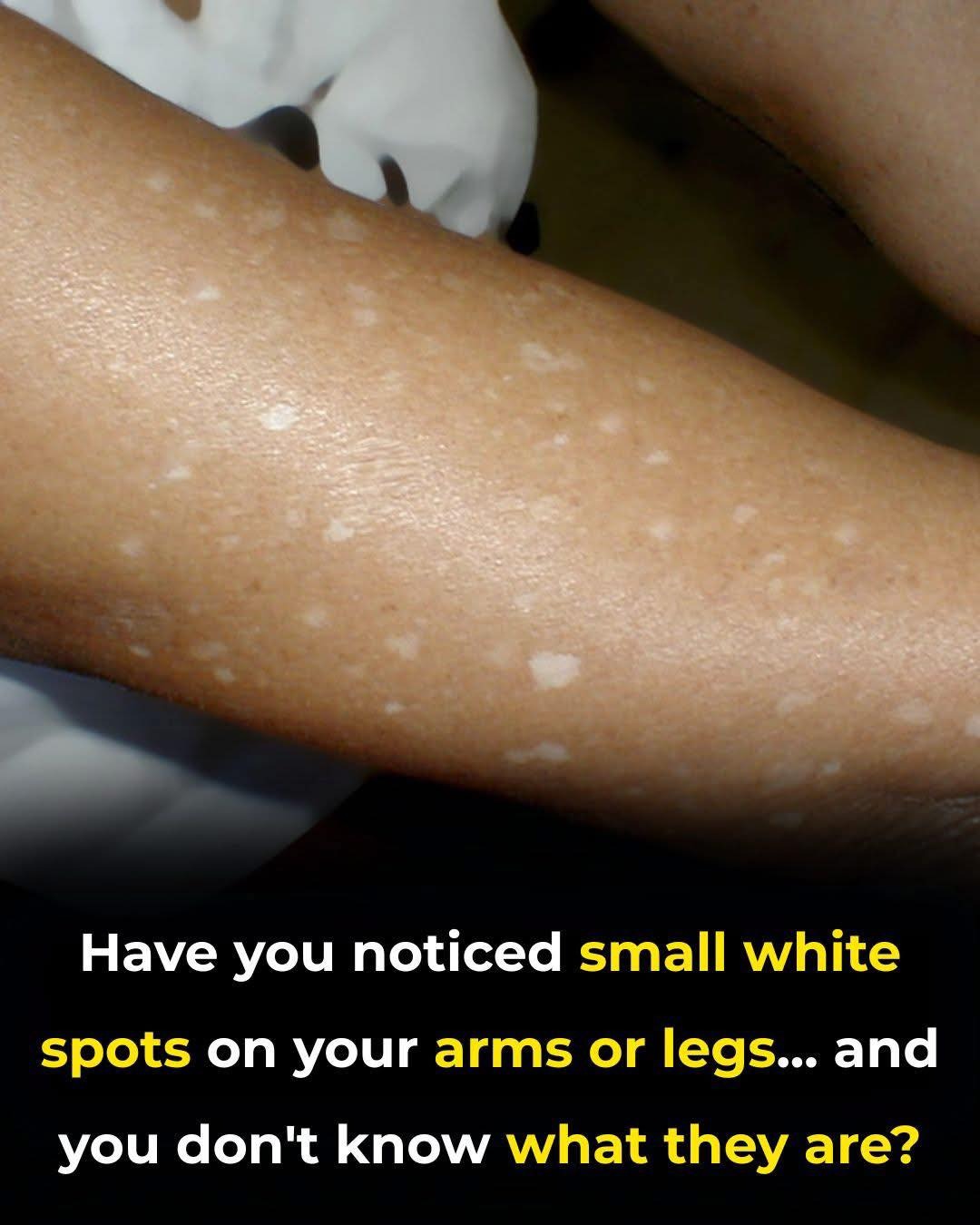
Have you noticed small white spots on your arms or legs… and you don’t know what they are?
IGH, or idiopathic guttate hypomelanosis, can look alarming at first glance. Those small white spots often appear suddenly, especially on arms, legs, and other sun exposed areas. The good news is that IGH is completely harmless. It is not contagious, not cancerous, and not a sign of any internal illness. It does not itch, burn, hurt, or behave like a rash. For most people, it is simply a cosmetic change in skin pigment that comes with time and sun exposure.
IGH spots stay stable. They do not spread aggressively, and they do not turn into something dangerous. They are different from inflammatory skin conditions because they lack redness, pain, or irritation. That stability is one of the biggest clues that what you are seeing is benign.
That said, it is always wise to pay attention to changes in your skin. If a spot becomes raised, scaly, irregular in shape, or begins to grow rapidly, it is important to see a dermatologist. These features are not typical of IGH and may point to other conditions such as vitiligo, fungal infections, or less common skin disorders. When in doubt, professional reassurance is always worthwhile.
Many people ask whether IGH can be removed or treated. Unfortunately, there is currently no proven way to permanently eliminate these spots. Because IGH is harmless and purely cosmetic, most dermatologists do not recommend aggressive treatment. Attempts to remove pigment changes can sometimes cause more harm than benefit.
Some options may reduce the appearance of IGH, although results are modest and inconsistent. Topical retinoids such as tretinoin may lead to mild improvement over several months, but they can also cause dryness and irritation. Cryotherapy, which involves freezing the spots, has mixed results and may temporarily darken the skin or cause scarring. Laser therapy is expensive and lacks strong evidence, with outcomes varying widely. Among all approaches, sun protection stands out as the most effective long term strategy because it helps prevent new spots from forming.
Be cautious with online miracle cures. Many promise fast results but deliver disappointment, wasted money, and sometimes permanent skin damage. If a treatment sounds too good to be true, it usually is.
The best approach to IGH is prevention combined with acceptance. Wearing sunscreen daily with SPF 30 or higher on arms and legs can significantly reduce the risk of developing additional spots. This applies year round, not just in summer. Protective clothing such as lightweight long sleeves or pants during peak sun hours can also help.
Equally important is mindset. These spots are a natural part of aging, much like laugh lines or silver hair. They reflect years spent outdoors, moving through life, enjoying sunshine and fresh air. They are not flaws or failures of your body.
You should see a doctor if spots become itchy, scaly, or inflamed, if they appear suddenly in large numbers, if you notice larger areas of pigment loss, or if you simply want peace of mind. Most of the time, though, IGH requires no treatment and no worry.
The bottom line is simple. Those white spots are harmless. They do not signal disease or danger. They are part of your skin’s story, shaped by time and sunlight. Protect your skin moving forward, care for it gently, and honor the journey that brought you here.
Your skin tells your story, every spot, line, and scar included. 💛☀️