Laurel Infusion for Rheumatism and Muscle Pain: Properties, Benefits, and How to Prepare It
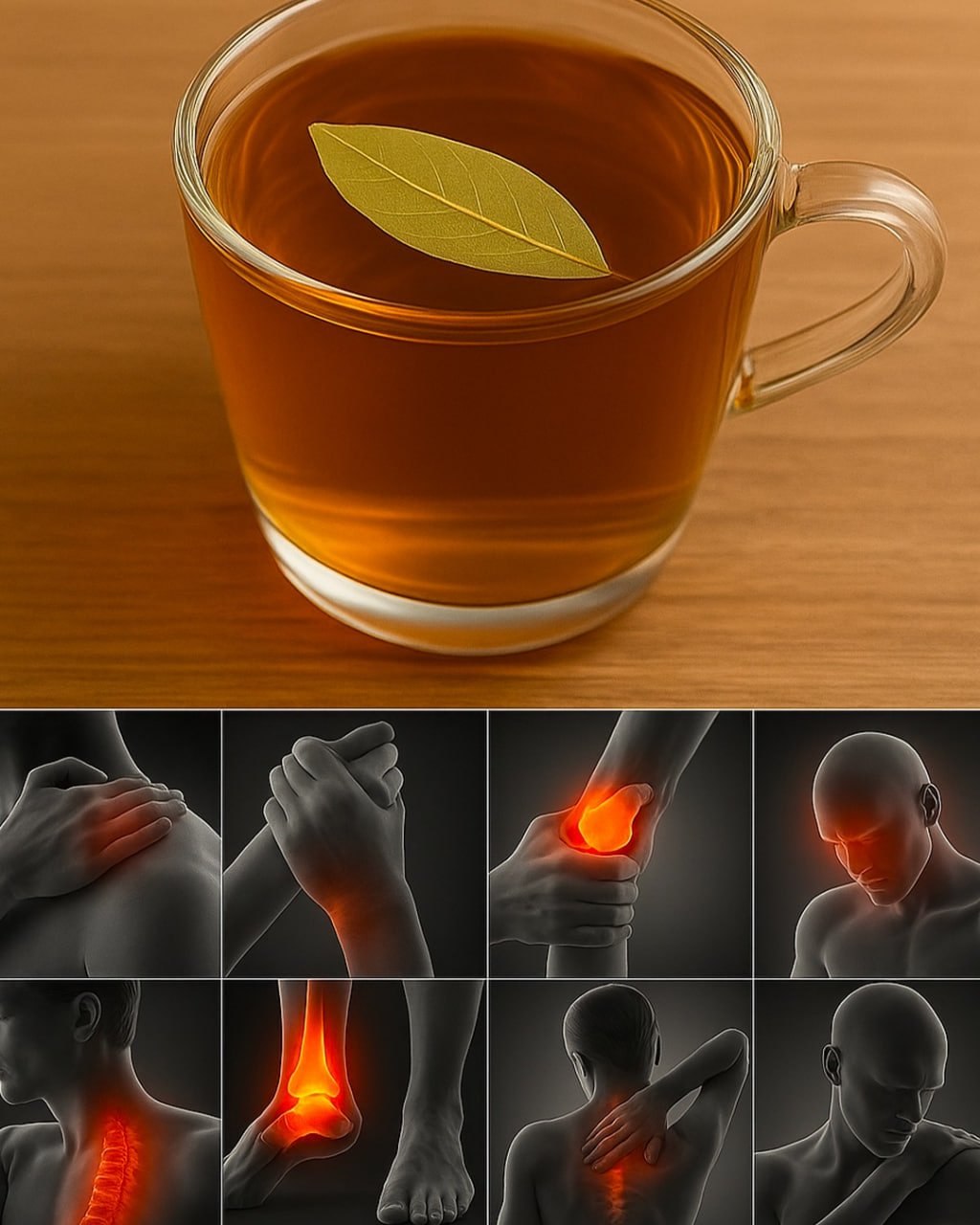
Bay leaf has long been valued as more than a kitchen staple. For centuries, it has played an important role in traditional wellness practices, especially for easing muscle and joint discomfort. Learning how to prepare bay leaf based remedies can offer a gentle and natural approach to supporting the body when dealing with inflammation, stiffness, and pain linked to rheumatism or overworked muscles.
Bay laurel, scientifically known as Laurus nobilis, is an aromatic plant native to the Mediterranean region. Its leaves contain essential oils and active compounds that contribute to its therapeutic reputation. Traditionally, bay leaves have been used to soothe aching joints, relax tense muscles, and stimulate circulation. These properties make bay leaf especially useful for people experiencing chronic discomfort, cold related stiffness, or inflammation caused by physical strain.
Therapeutic properties of bay leaf
Bay leaf is appreciated for several natural benefits. It has anti inflammatory properties that may help calm swollen or irritated joints. Its analgesic action supports relief from muscle and joint pain, while its warming effect helps stimulate blood circulation in affected areas. Beyond musculoskeletal benefits, bay leaf has also been used traditionally to support respiratory health in cases such as bronchitis, cough, and pharyngitis.
Bay leaf infusion for muscle and joint pain
One of the most effective traditional preparations using bay leaf is an external infusion designed for massage. This method focuses on delivering relief directly to the affected areas rather than internal consumption.
Ingredients
You will need thirty grams of fresh bay leaves and three hundred milliliters of sixty percent alcohol.
Preparation method
Begin by gently breaking the bay leaves into smaller pieces to release their natural oils. Place them into a clean glass jar with an airtight seal. Pour the alcohol over the leaves until they are fully submerged, then stir lightly to combine. Seal the jar and store it in a warm, dry place for ten days. During this time, the alcohol extracts the beneficial compounds from the leaves. After ten days, strain the liquid using a fine filter or cloth and transfer the infusion into a clean glass container for storage.
How to use
Apply a small amount of the infusion to the affected area and massage gently once or twice a day. This treatment is intended for external use only and should never be ingested. It is best used for short periods, generally no longer than one month, to avoid skin sensitivity.
A natural internal alternative
For those who prefer a remedy that can be taken internally, a ginger and turmeric infusion offers a gentle and widely used option. Both ginger and turmeric are known for their anti inflammatory and antioxidant properties. This warm drink may help reduce joint stiffness, support immune function, and aid digestion.
To prepare it, boil one slice of fresh ginger and half a teaspoon of turmeric in water for about ten minutes. Strain the liquid and drink it warm. This infusion can be enjoyed regularly as part of a daily wellness routine.
Important precautions
While bay leaf infusion is generally safe for external use when applied correctly, it should not be used on open wounds, broken skin, or areas of irritation. Always test a small amount on the skin first to check for sensitivity. People with persistent pain, chronic conditions, or those already taking medication should consult a healthcare professional before starting any natural treatment. Natural remedies can be supportive, but they are not a substitute for medical care when symptoms are severe or ongoing.
By using bay leaf thoughtfully and safely, you can tap into a time honored natural approach that supports comfort, relaxation, and overall joint and muscle well being.