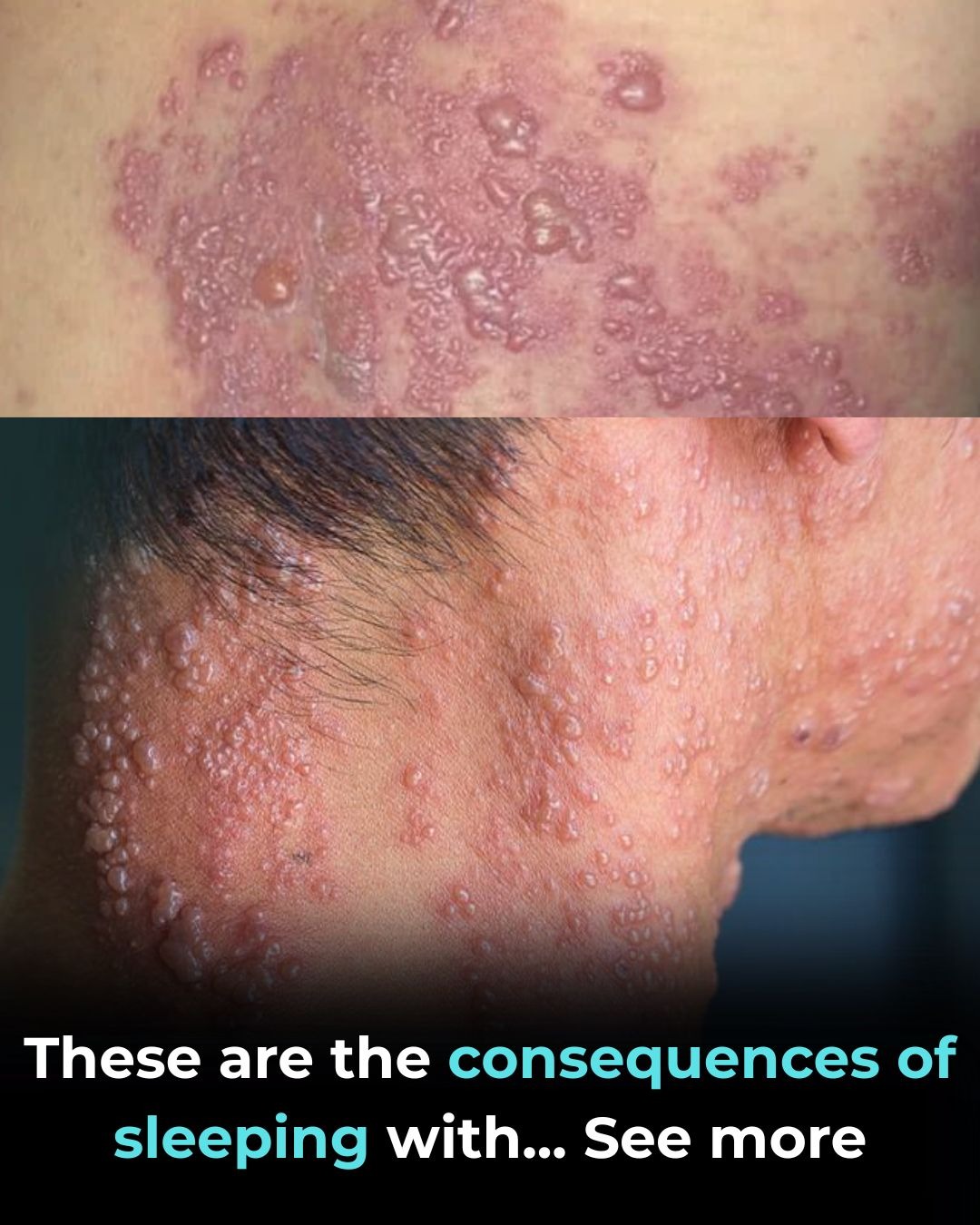
These Are the Consequences of Sleeping with Someone Who Has HPV — What Every Man Needs to Know
Rare, but strongly linked to high-risk HPV strains.
May present as sores, discoloration, or lumps on the penis.
4. Genital Warts
Caused by low-risk HPV.
Not dangerous, but physically and emotionally distressing.
⚠️ Key point: Men cannot be routinely tested for HPV like women (via Pap smears). So prevention is critical.
How HPV Spreads (It’s Not Just “Sex”)
HPV spreads through skin-to-skin contact in the genital, anal, or oral areas.
No penetration needed—close intimate contact is enough.
Condoms reduce risk but don’t eliminate it—virus lives on uncovered skin.
You can get it from one partner—even if you’ve only had one sexual relationship.
And yes—you can spread it even if you have no symptoms.
Who’s at Higher Risk?
Men with multiple sexual partners
Those who don’t use protection consistently
Men who have sex with men (higher anal cancer risk)
People with weakened immune systems
Anyone not vaccinated against HPV
💡 Myth: “I’m in a monogamous relationship, so I’m safe.”
Truth: Your partner could have contracted HPV years ago—and it can lie dormant for decades.
How to Protect Yourself (and Your Partners)
✅ 1. Get Vaccinated
The HPV vaccine (Gardasil 9) protects against 9 cancer-causing strains.
Recommended for boys and men ages 9–45.
Most effective before sexual activity begins—but still beneficial later.
✅ 2. Practice Safer Intimacy
Use condoms/dental dams—they reduce (but don’t eliminate) risk.
Limit number of partners to lower exposure.
✅ 3. Encourage Partner Screening
Support female partners in getting regular Pap smears and HPV tests.
Their health is connected to yours.
✅ 4. Know the Signs
See a doctor if you notice:
Unusual lumps, sores, or discoloration on genitals
Persistent sore throat, ear pain, or trouble swallowing
Bleeding, itching, or pain in the anal area
The Bottom Line
HPV isn’t just a “women’s issue.” It’s a shared human health concern—and men play a crucial role in stopping its spread.
The good news? Most HPV infections clear on their own. But for the ones that don’t, vaccination and awareness are your best defenses.
Don’t wait for symptoms. Don’t assume you’re safe.
Take control of your health—because prevention today protects your future.
“Protecting yourself isn’t just self-care—it’s care for everyone you love.”
Talk to your doctor about the HPV vaccine. Share this info with the men in your life. Because knowledge is the first step toward prevention. 💙🩺✨